
 Türkçe
 Français
 Deutsch
 Italiano
 Español
 العربية
 Русский

Prof. Dr.
Cardiology, Interventional Cardiologist
Interventional Cardiologist

Patient Reviews
You can check the platforms below for patient reviews of Cardiology Specialist, Interventional Cardiologist Prof. Dr. Kadriye Orta Kılıçkesmez.


An experienced interventional cardiologist with over 20 years of academic and clinical experience in cardiology, specializing in complex coronary interventions and structural heart diseases.
Who Is Prof. Dr. Kadriye Kılıçkesmez?
About Me Summary
I am a cardiologist focused especially on complex coronary interventions, calcific lesions, chronic total occlusion, structural heart diseases and intracoronary imaging in the field of interventional cardiology. I have pioneered the establishment of important cardiology clinics and angiography laboratories in Turkey, while also ensuring that these centers became training clinics. By organizing national and international trainings, workshops and certification programs, I contribute to the professional development of many cardiologists. While continuing my academic work through scientific publications, peer-review duties and active association memberships, I also continue to pass on my knowledge and experience to new generations by providing undergraduate and postgraduate education.
My Education Life
Prof. Dr. Kadriye Orta Kılıçkesmez completed her medical education at Istanbul University Cerrahpaşa Faculty of Medicine, then specialized in cardiology and received her specialty training at Istanbul University Institute of Cardiology. Continuing her academic career at the same institute, she earned the title of associate professor in 2012 and professor in 2017. She also carried out advanced studies at Royal Brompton Hospital in London in the fields of complex coronary interventions, TAVI, mitral clip, CTO and intracoronary imaging.
Treatments I Apply
Treatment Steps
INITIAL EXAMINATION AND
DIAGNOSIS
The patient’s general condition is evaluated and a detailed examination is performed. When necessary, the diagnostic process is supported with advanced imaging methods such as ultrasound, mammography or MRI.
MULTIDISCIPLINARY
PLANNING
With specialist physicians from different branches coming together, the most suitable
treatment approach specific to the patient is determined and a personalized roadmap is created.
TREATMENT APPLICATION AND
CONTROL PROCESS
The planned treatment is applied. If needed after the operation, additional treatments are initiated and the patient’s condition is closely monitored with regular check-ups.
Contact us to find the most suitable treatment solution for you together.
Digital Content
My Recent Articles


Frequently Asked Questions
For which heart diseases is interventional cardiology preferred?
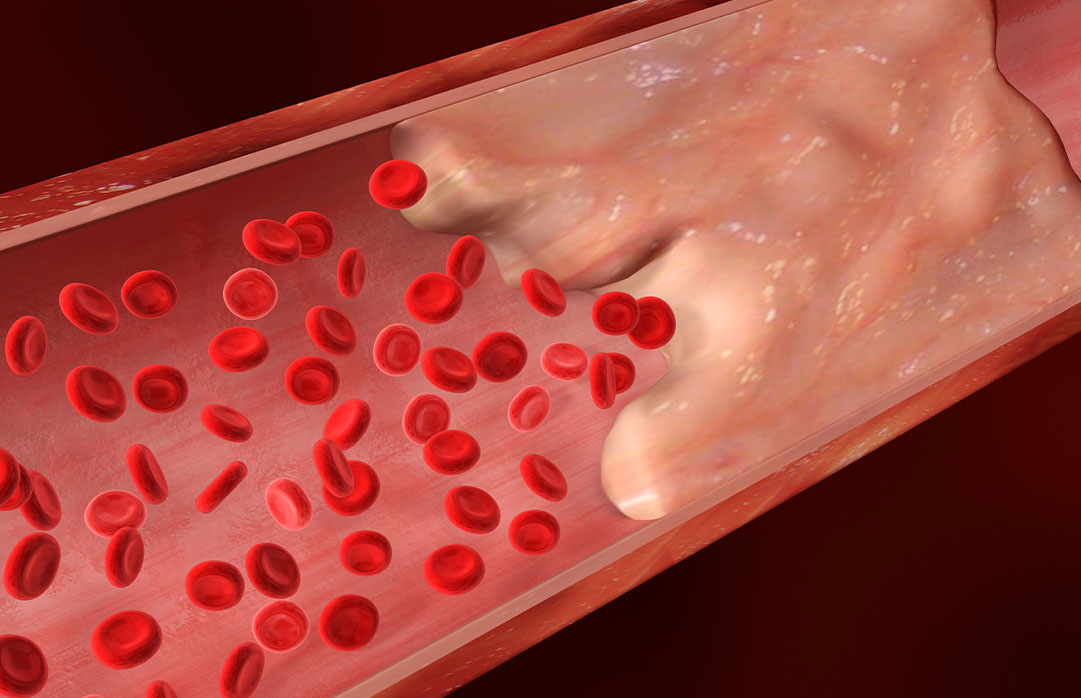
Interventional cardiology is most commonly preferred in the treatment of coronary artery stenoses, heart vessel occlusions, some congenital heart diseases and heart valve diseases. Since it offers diagnosis and treatment without the need for open-heart surgery, it may be the primary option in suitable patients.
How are interventional cardiology procedures performed and how long do they take?
Procedures are usually performed with the help of a catheter by entering through the groin or wrist. Depending on the intervention performed, the duration may vary between 20 minutes and 1 hour. Most patients are discharged on the same day or the next day.
For whom is interventional cardiology risky?
More careful evaluation is required in patients with advanced kidney failure, active infection or serious bleeding risk. However, thanks to modern technologies and experienced teams, the risks are quite low for most patients.
What is the recovery process like after interventional cardiology?
Patients can generally return to daily life in a short time. It is recommended to avoid heavy exercise for the first few days. Mild pain or bruising at the entry site is considered normal and resolves in a short time.
What are the differences between interventional cardiology and open-heart surgery?
Interventional cardiology is less invasive than open-heart surgery, most of the time general anesthesia is not required and the recovery period is shorter. However, it may not be suitable for every patient and surgery may be necessary in some cases.
What does stent placement mean in interventional cardiology procedures?
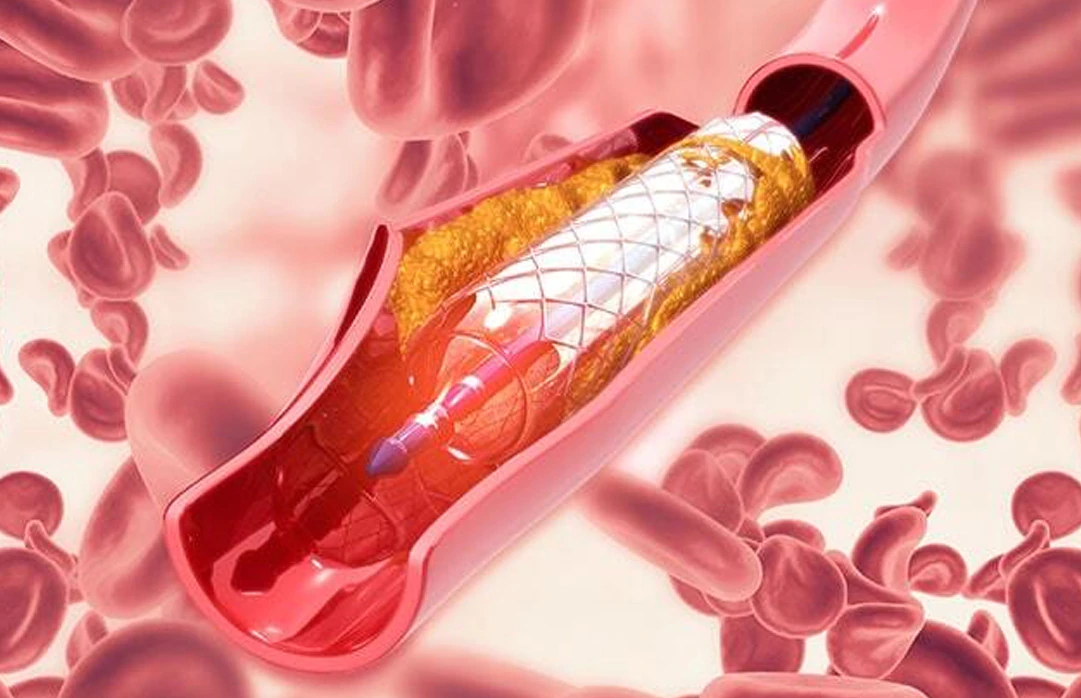
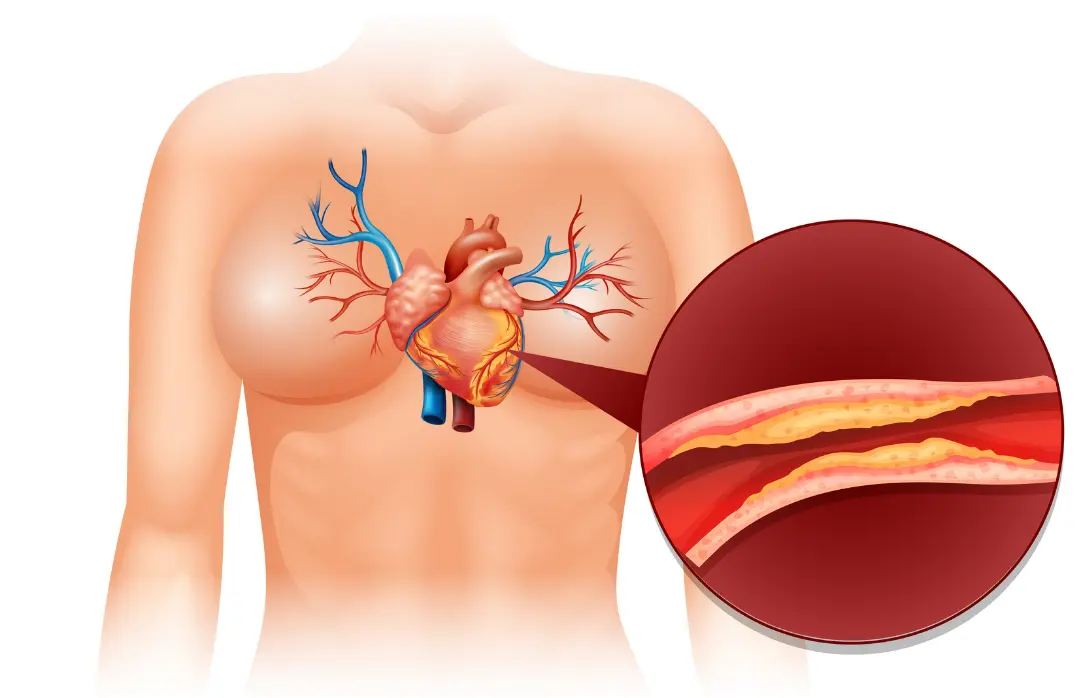
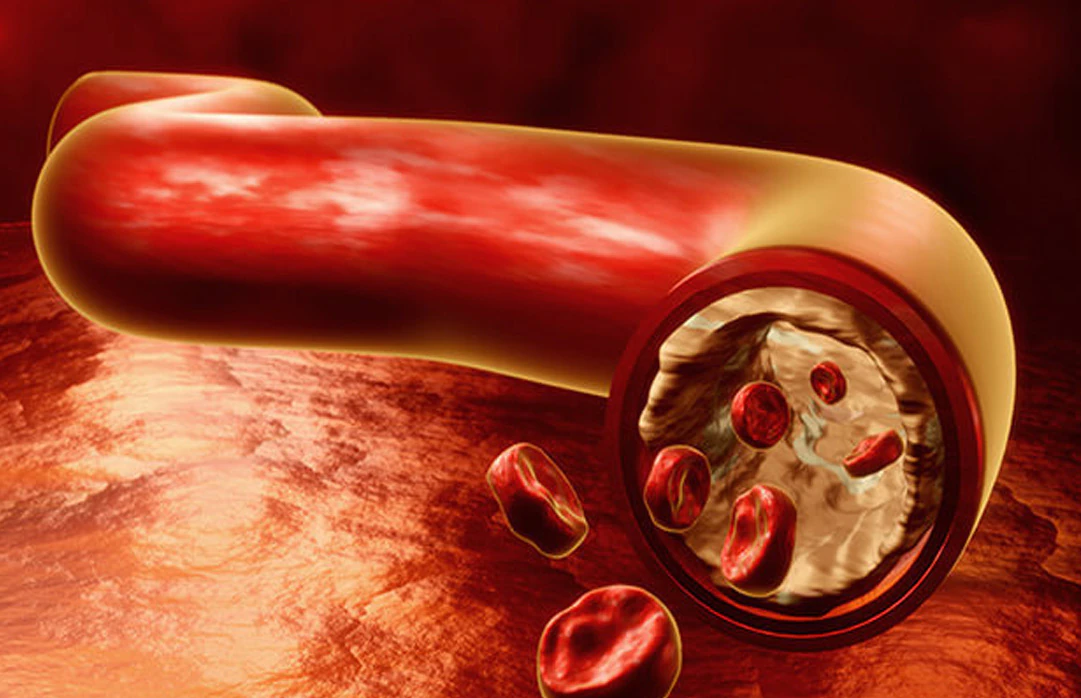
Stent placement allows the narrowed vessel to be kept open with the help of a metal mesh. In this way, blood flow to the heart muscle increases and complaints such as chest pain decrease.
Can interventional cardiology be performed during pregnancy?
It can be performed in mandatory cases, but very careful planning is made due to the risk of radiation. The decision is made by evaluating the benefit to the mother and baby together.
Why is medication use important after interventional cardiology?
Especially in patients who have had a stent placed, blood-thinning medications are vitally important. These medications prevent the stent from becoming blocked and directly affect the long-term success of the treatment.
What is the long-term success rate of interventional cardiology procedures?
The success rate is quite high in suitable patients. However, smoking, irregular nutrition and interruption of medications may lead to vessel narrowing again in the long term.
What procedures do interventional cardiology doctors perform?
Interventional cardiology doctors diagnose and treat heart and vascular diseases with non-surgical catheter-based methods. These procedures are generally performed in angiography laboratories.
The main procedures performed are as follows:
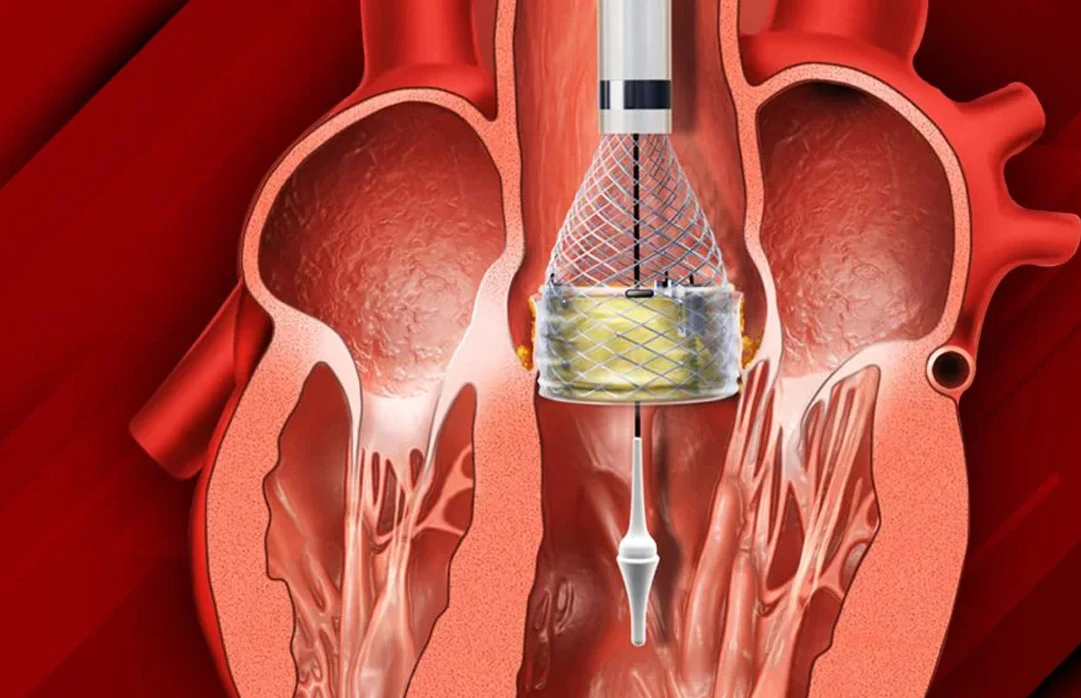
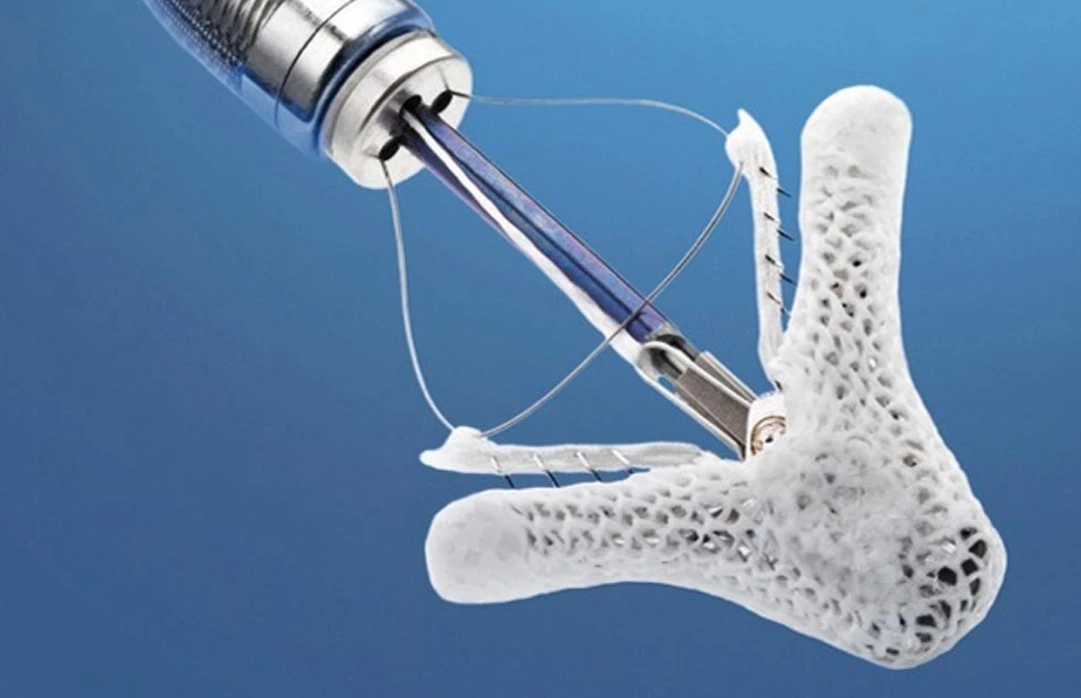
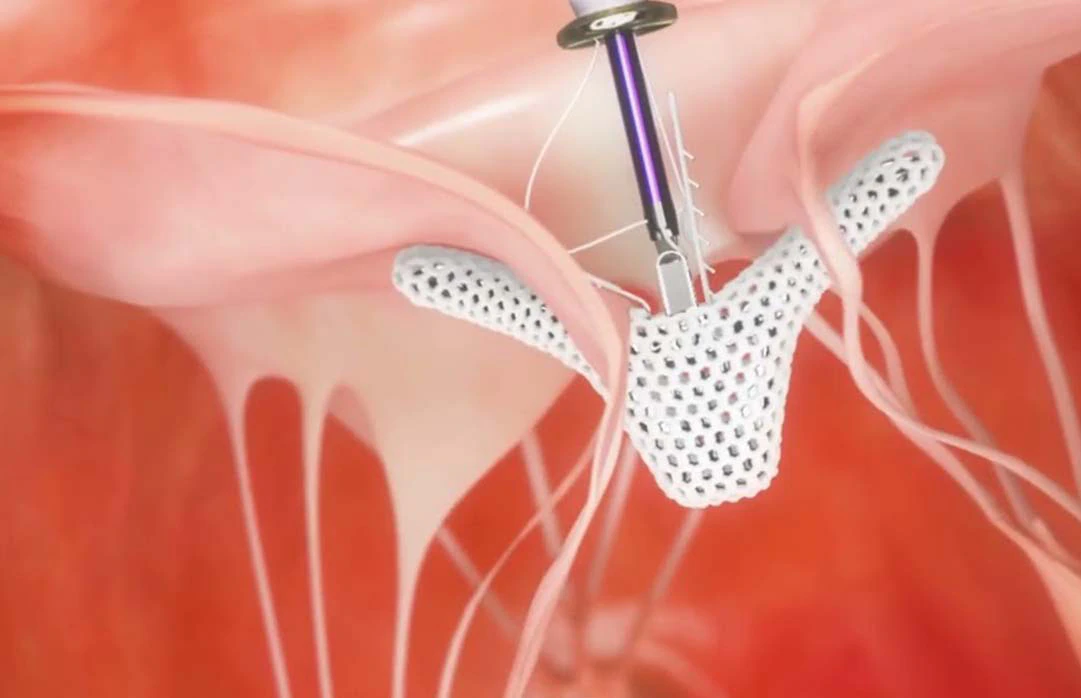
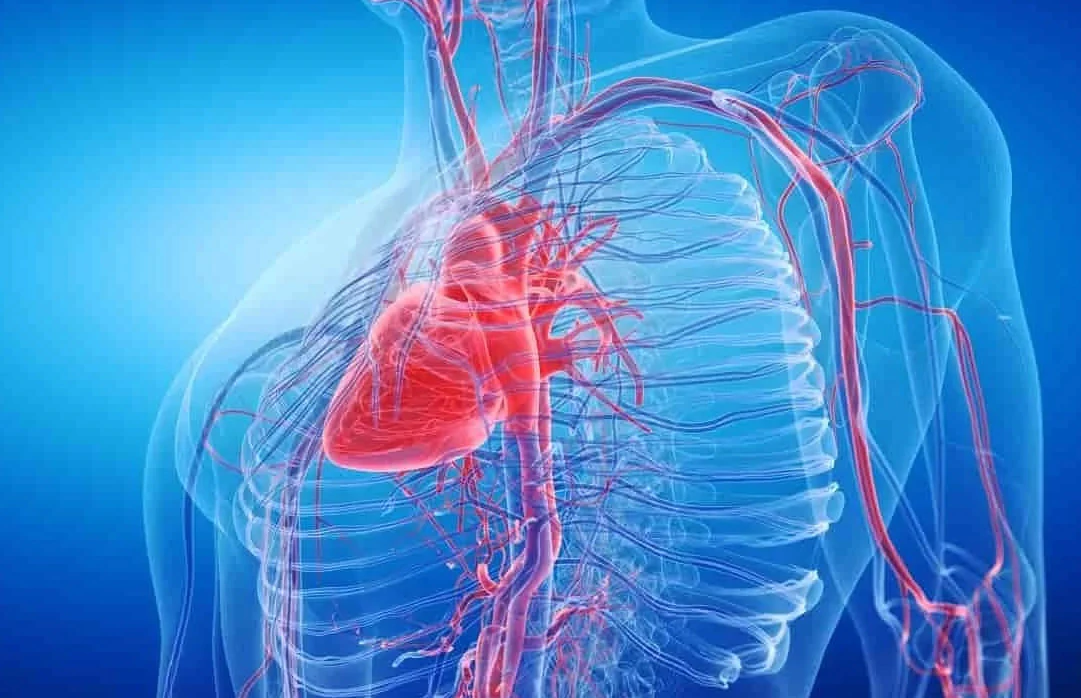
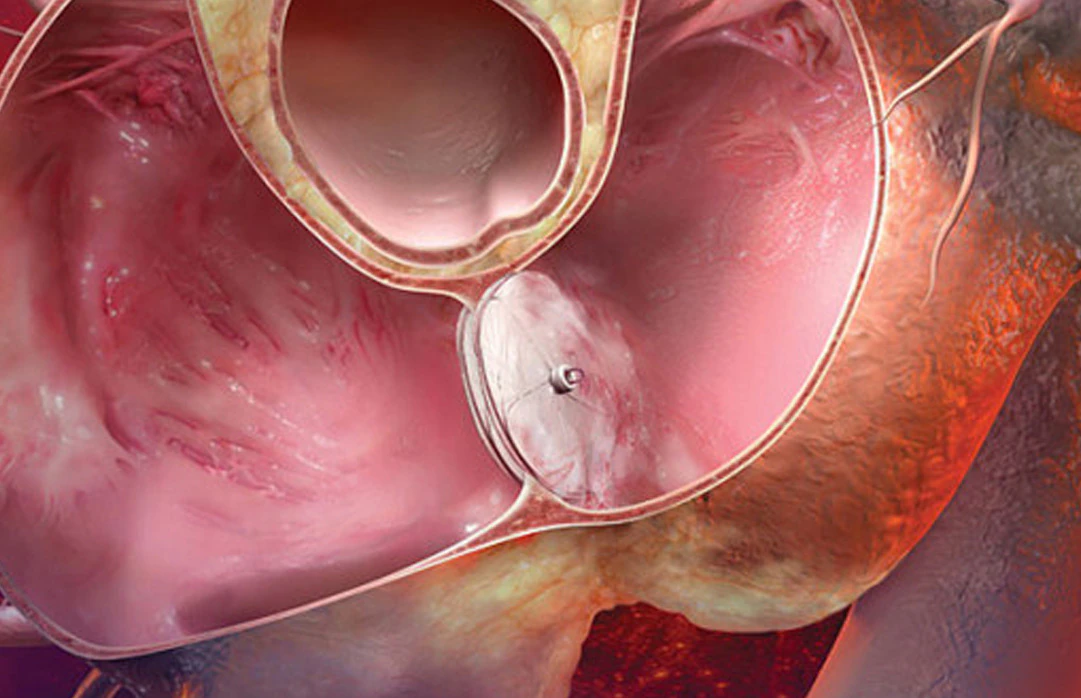
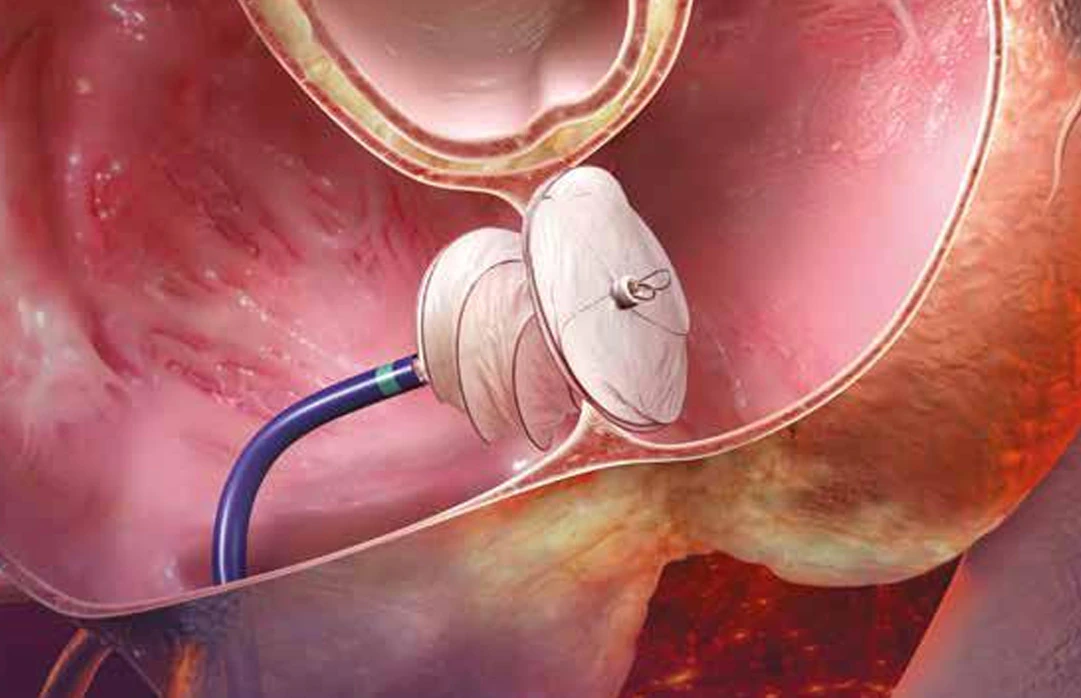
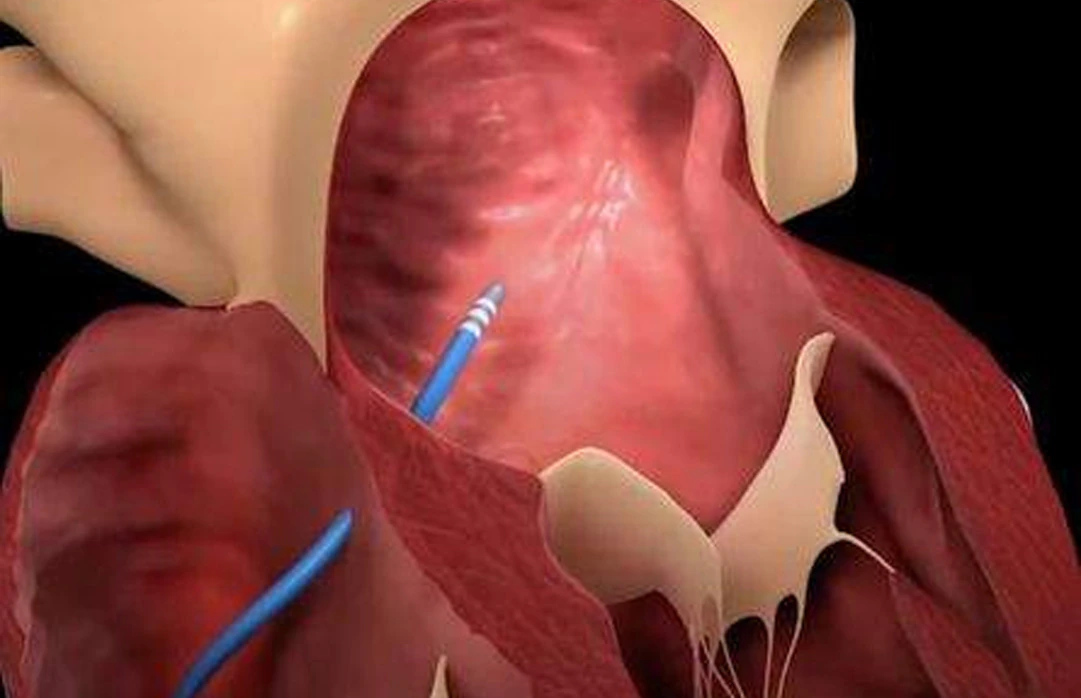
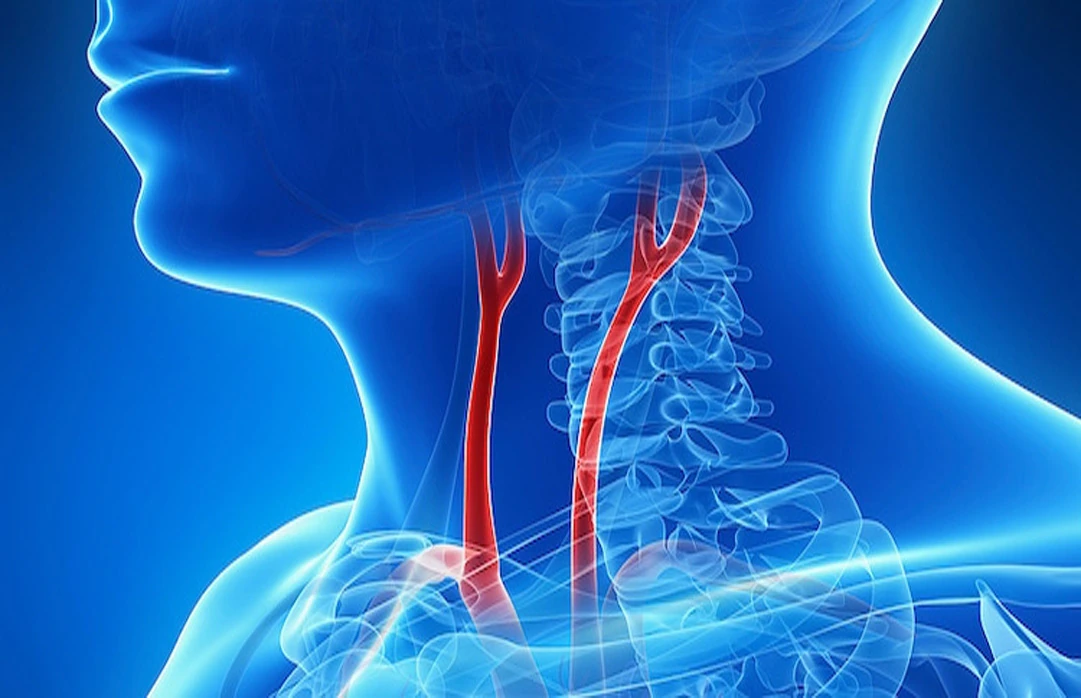
Coronary angiography, stent and balloon angioplasty, septal alcohol ablation, PFO and ASD closure, mitral and aortic valve interventions (TAVI, MitraClip), and renal and peripheral angioplasty.
- Contact
Contact us
to find
the most suitable
treatment solution
for you together.
to find
the most suitable
treatment solution
for you together.

| Working Hours | |
| Monday | 08:00 – 17:00 |
| Tuesday | 08:00 – 17:00 |
| Wednesday | 08:00 – 17:00 |
| Thursday | 08:00 – 17:00 |
| Friday | 08:00 – 17:00 |
| Saturday | 08:00 – 14:00 |
| Sunday | Closed |
Contact us to find the most suitable treatment solution for you together.