
 Türkçe
 Français
 Deutsch
 Italiano
 Español
 العربية
 Русский
Alcohol septal ablation is an interventional cardiology method used in the treatment of hypertrophic obstructive cardiomyopathy, enabling the controlled reduction of the thickened septal tissue in the heart muscle. This procedure contributes to alleviating symptoms and improving functional capacity by reducing left ventricular outflow tract obstruction.
In hypertrophic obstructive cardiomyopathy, alcohol septal ablation is a minimally invasive technique preferred as an alternative to surgical myectomy. By injecting ethanol into the appropriate septal branch of the coronary artery, a controlled myocardial infarction is created in the target tissue, and a marked regression in septal thickness is achieved over time.
Indications for alcohol septal ablation are evaluated in the presence of symptoms such as dyspnea, syncope, and exercise intolerance that persist despite medical therapy. Appropriate patient selection is made within a multidisciplinary approach through echocardiographic findings, pressure gradient measurements, and detailed analysis of coronary anatomy.
The follow-up process after alcohol septal ablation requires careful monitoring for arrhythmias, conduction system injury, and rare complications. Since a need for a temporary or permanent pacemaker may develop after the procedure, patients are kept under cardiac monitoring and regular cardiology follow-ups are planned.
What You Need to Know | Information |
Procedure Name | Alcohol Septal Ablation (ASA) |
Area of Application | Most commonly used in the treatment of hypertrophic obstructive cardiomyopathy (HOCM). |
Purpose | To reduce left ventricular outflow tract obstruction and relieve symptoms. |
Targeted Anatomical Region | The thickened (hypertrophic) portion of the interventricular septum. |
Mechanism of Action | A localized myocardial infarction is created by delivering alcohol in a controlled manner to the septal branch supplying the septum; the muscle tissue in this area thins and the outflow tract narrowing decreases. |
Indications | Severe symptoms persisting despite medical therapy (shortness of breath, chest pain, syncope), significant left ventricular outflow tract gradient (>50 mmHg). |
Contraindications | Absence of suitable septal artery anatomy, severe concomitant coronary artery disease, situations where alternative surgery is appropriate. |
Pre-Procedure Evaluation | Echocardiography, cardiac MRI, coronary angiography, and hemodynamic measurements are performed. |
Method of Application | In the catheterization laboratory, a balloon catheter is placed in the target septal artery via femoral or radial arterial access, and a controlled amount of alcohol is injected. |
Anesthesia | Usually performed under local anesthesia and sedation. |
Procedure Duration | Approximately 1–2 hours. |
Length of Hospital Stay | Usually 3–5 days; rhythm monitoring is required. |
Success Rate | With appropriate patient selection, the rate of significant symptom improvement is high. |
Possible Complications | Complete heart block (may require a permanent pacemaker), ventricular arrhythmias, coronary artery complications, pericardial effusion. |
Need for a Permanent Pacemaker | May be seen in approximately 5–15% of cases. |
Advantages | Less invasive than open-heart surgery and has a shorter recovery time. |
Disadvantages | Because it creates a controlled myocardial infarction, permanent scar tissue develops; it may be less effective in some patients compared to surgical myectomy. |
Alternative Treatment | Surgical septal myectomy, medical therapy (beta blockers, calcium channel blockers, disopyramide). |
Long-Term Follow-Up | Regular cardiology follow-ups, echocardiographic evaluation, and rhythm monitoring are required. |
Prognosis | Provides sustained symptom improvement and increased quality of life in appropriately selected patients. |

Prof. Dr. Kadriye Kılıçkesmez
Cardiology, Interventional Cardiologist – Interventional Cardiologist
Prof. Dr. Kadriye Orta Kılıçkesmez is one of the leading names in the field of Turkish cardiology. She was born on January 24, 1974, in Tekirdağ. After completing her undergraduate education at Istanbul University Cerrahpaşa Faculty of Medicine, she chose cardiology as her specialty and received her specialist training at the Cardiology Institute of the same university.
After working for a short period at Çorlu State Hospital and Turkish Kidney Foundation Service Hospital, she returned to the I.U. Cardiology Institute. Continuing her academic career there, Kadriye Kılıçkesmez became an associate professor in 2012. She then worked at Royal Brompton on complex coronary interventions, CTO intracoronary imaging, and structural heart diseases, and wrote scientific articles. In 2015, she was appointed by the university to establish the Şişli Etfal cardiology clinic and Angio laboratory. Becoming a professor in 2017, Kadriye Kılıçkesmez established the cardiology clinic and Angio laboratory of Prof. Dr. Cemil Taşçıoğlu Hospital in 2020 and ensured that the clinic became a training clinic.
View MoreWhat Is Alcohol Septal Ablation?
Alcohol septal ablation is a minimally invasive cardiologic procedure used in the treatment of hypertrophic cardiomyopathy (HCM). HCM is a condition in which the heart muscles become abnormally thickened. When this thickening occurs particularly in the left ventricular outflow tract, it can obstruct blood flow and lead to severe symptoms. The main goal of alcohol septal ablation is to reduce this thickened heart muscle tissue and eliminate the obstruction in the left ventricular outflow tract.
During the procedure, a cardiologist guides a thin catheter to the heart through the patient’s groin artery or arm artery. This catheter reaches the thickened cardiac muscle septum (the wall between the two ventricles of the heart). Then, using a fine needle, pure alcohol is injected into a small coronary artery that supplies the septum. The injected alcohol causes controlled cell death (necrosis) in the target area. Over time, this necrosis turns into scar tissue, allowing the thickened muscle to shrink. As a result, the obstruction in the left ventricular outflow tract decreases and blood flow returns to normal. This procedure is usually completed under local anesthesia within a few hours. The vast majority of patients can be discharged within 24–48 hours after the procedure. This treatment method offers an important alternative especially for patients who are not suitable for surgery or who refuse surgery.
The Relationship Between Hypertrophic Cardiomyopathy (HCM) and Alcohol Septal Ablation
Hypertrophic cardiomyopathy (HCM) is a heart muscle disease seen more frequently in individuals with a genetic predisposition. In this disease, heart muscle cells grow and thicken in an irregular manner. This thickening leads to various symptoms by impairing the functionality of the heart. Thickening of the heart muscle makes it harder for the heart to relax and therefore may prevent the heart from pumping enough blood to the body. In addition, the thickened septum can obstruct the flow of blood leaving the left ventricle, leading to a serious condition called left ventricular outflow tract obstruction (LVOTO). LVOTO can cause life-threatening symptoms such as chest pain, shortness of breath, dizziness, fainting, and even sudden cardiac arrest. Alcohol septal ablation is designed precisely to treat this LVOTO. By injecting pure alcohol into the artery supplying the thickened septum, the muscle tissue in the target area dies in a controlled manner and shrinks. This reduction decreases LVOTO and relieves the patient’s symptoms. The effectiveness of this procedure has been demonstrated in many clinical studies. For example, a meta-analysis published in 2018 observed a significant reduction in LVOTO and a marked improvement in symptoms in 75% of patients who underwent alcohol septal ablation. This clearly demonstrates its potential to offer patients a better quality of life.
How Is Alcohol Septal Ablation Performed?
The alcohol septal ablation procedure is generally carried out meticulously by interventional cardiology specialists. Before the procedure, the patient’s overall health status is evaluated and the necessary blood tests are performed. The procedure generally requires hospitalization and takes about 1–2 hours. However, the observation period after the procedure may vary from person to person.
Procedure Steps
- Anesthesia: The procedure is usually performed under local anesthesia. The vessel access site in the groin or arm is numbed. In some cases, mild sedation may also be administered to help the patient relax. This prevents the patient from feeling pain or discomfort during the procedure.
- Catheter Placement: The interventional cardiologist directs a catheter, a thin, flexible tube, toward the heart via the groin artery (femoral artery) or arm artery (brachial artery). The progress of the catheter is monitored live using a special X-ray technique called fluoroscopy. This ensures the catheter reaches the correct location.
- Identification of the Septal Artery: Once the heart is reached, the catheter is used to identify the small coronary artery that supplies the thickened cardiac muscle septum. This is typically done with angiography; in this technique, a contrast dye is injected into the artery to clearly visualize the vessels.
- Alcohol Injection: When the targeted septal artery is reached, a controlled amount of pure alcohol (ethanol) is injected through the tip of the catheter using a special syringe. The injected alcohol damages the heart muscle cells in that area, causing controlled tissue death (necrosis). Usually a few milliliters of alcohol is sufficient, and this amount is adjusted according to the patient’s condition.
- Removal of the Catheter: After the alcohol injection is completed, the catheter is carefully removed. Pressure is applied to the access site to stop bleeding.
Post-Procedure Care and Recovery
After the procedure, patients are usually kept under observation for several hours. The access site is checked for bleeding. The patient’s vital signs (blood pressure, pulse, respiratory rate) are closely monitored. Necessary medications are given for pain control. Patients are generally allowed to get up within the first few hours after the procedure. Although the full recovery process varies from person to person, most patients can return to normal activities within a few days. However, it is recommended to avoid heavy physical activities and sports for a few weeks. Doctors plan regular follow-up visits to monitor the recovery process. During these visits, imaging methods such as echocardiography are used to evaluate changes in the heart muscle and improvements in blood flow. The results of alcohol septal ablation usually become apparent within a few weeks or months after the procedure. During this period, the shrunken muscle tissue is replaced by scar tissue, which helps relieve the obstruction.
Who Is a Suitable Candidate for Alcohol Septal Ablation?
Alcohol septal ablation is not a suitable treatment method for every HCM patient. Certain criteria must be met for this procedure to be performed. In particular, patients with left ventricular outflow tract obstruction (LVOTO) and symptoms that seriously affect quality of life are candidates for this treatment. Generally, alcohol septal ablation is considered if the patient’s symptoms cannot be controlled with medication therapy or if there is no significant improvement despite medication therapy.
Candidate Criteria
- Left Ventricular Outflow Tract Obstruction (LVOTO): Conditions in which blood flow from the left ventricle to the main artery (aorta) is significantly obstructed due to the thickened septum. This obstruction typically becomes apparent at rest or during exercise and is characterized by a pressure gradient above 50 mmHg.
- Symptomatic HCM: Patients who have HCM-related symptoms such as shortness of breath, chest pain, dizziness, and fainting (syncope). These symptoms should negatively affect the patient’s daily life and should not respond sufficiently to medication therapy.
- Patients Unresponsive to Medication Therapy: Patients whose symptoms persist despite treatments with medications such as beta blockers and calcium channel blockers.
- Patients Not Suitable for Surgery or Who Refuse Surgery: Alcohol septal ablation is an important treatment option for patients who are not candidates for surgical procedures such as septal myectomy (due to advanced age, comorbidities, etc.) or who refuse these operations.
Who Is Not Suitable for Alcohol Septal Ablation?
- Patients With Severe Mitral Valve Regurgitation: Mitral valve regurgitation can reduce the effectiveness of alcohol septal ablation and may even worsen the condition. Therefore, patients with severe mitral regurgitation are generally not suitable candidates for this treatment.
- Patients With Signs of Heart Failure: Patients in advanced stages of heart failure or with symptoms such as significant pulmonary edema may not tolerate the additional stress caused by the procedure.
- Patients Who Have Had a Severe Infection Recently: Patients with an active infection should have treatment postponed, as it may increase the risk of infection during the procedure.
- Marked Ventricular Arrhythmias (Rhythm Disorders): Patients with a history of life-threatening ventricular tachycardia or ventricular fibrillation should be evaluated carefully, as this risk may increase during the procedure.
- Anatomically Unsuitable Patients: There are also patients whose pattern of cardiac muscle thickening or vascular structure is not suitable for alcohol septal ablation. This is determined through detailed imaging studies performed before the procedure.
Contact us to get information about treatments and to schedule an appointment!
Risks and Complications of Alcohol Septal Ablation
As with any medical procedure, alcohol septal ablation has potential risks and complications. However, considering that this procedure is generally performed by experienced cardiologists and is minimally invasive, the risk of serious complications is relatively low. It is important for patients to be aware of these risks and to speak openly with their doctors. According to one study, the rate of serious complications is below 5%.
Potential Risks
- Heart Blocks (AV Block): The area where the alcohol is injected may be close to the heart’s electrical conduction system. This can cause temporary or permanent disturbances (atrioventricular block) in the transmission of electrical signals from the atria to the ventricles. In cases of severe block, the patient may require implantation of a permanent pacemaker. This complication may be seen in approximately 5–10% of patients.
- Ventricular Arrhythmias: During or after the procedure, abnormal heart rhythms (ventricular tachycardia or ventricular fibrillation) may occur due to damage in the heart muscle. These conditions may require urgent intervention.
- Pericardial Effusion: Accumulation of fluid around the pericardium (pericardial effusion) may rarely occur. This condition often resolves on its own, but in rare cases it may need to be drained.
- Vascular Complications: Problems such as bleeding, bruising, infection, or vascular occlusion may occur at the groin or arm access site where the catheter is inserted. These complications can usually be managed with local treatment.
- Spread of Alcohol: If the injected alcohol spreads to cardiac muscle tissue outside the targeted area, it may cause unintended damage. This risk requires the procedure to be performed carefully.
- Sudden Death: In very rare cases, there is a risk of sudden death, particularly due to severe arrhythmias that develop during or after the procedure. However, this risk is not higher than the baseline risk of sudden death already present in HCM patients and is generally very low.
Methods to Reduce Complications
Experienced interventional cardiologists take various measures to minimize these risks. A detailed cardiac evaluation of the patient is performed before the procedure. During the procedure, advanced imaging techniques are used to ensure the catheter and needle are positioned correctly. The amount of alcohol to be injected is carefully controlled. In addition, close monitoring of the patient during and after the procedure allows potential complications to be detected early and managed promptly. Modern interventional cardiology techniques and patient monitoring protocols have significantly increased the safety of alcohol septal ablation. For example, techniques such as selectively targeting the septal artery and using lower alcohol concentrations have reduced complication rates.
Benefits of Alcohol Septal Ablation
Alcohol septal ablation is an effective treatment method that offers significant improvements in quality of life for patients with hypertrophic cardiomyopathy (HCM). The benefits of this procedure cover a wide range, from relieving symptoms to improving overall health status. Studies have shown that this treatment can increase patients’ exercise capacity by an average of 30%.
Improvement in Symptoms
- Reduction in Shortness of Breath: Thickening of the heart muscle and left ventricular outflow tract obstruction (LVOTO) can cause blood to back up into the lungs and lead to shortness of breath. Alcohol septal ablation relieves this by eliminating the obstruction and helps patients breathe more comfortably.
- Relief of Chest Pain: Increased oxygen demand of the heart muscle and obstruction can lead to chest pain. After treatment, chest pain symptoms decrease or disappear completely as blood flow improves.
- Reduction in Episodes of Dizziness and Fainting (Syncope): LVOTO can reduce blood flow to the brain, causing dizziness and fainting spells. Relieving the obstruction restores cerebral blood flow and prevents these episodes.
- Reduction in Fatigue and Weakness: The heart’s inability to pump blood effectively causes general fatigue and weakness. After treatment, patients feel more energetic as heart function improves.
Improved Quality of Life
Alcohol septal ablation significantly improves not only patients’ physical symptoms but also their overall quality of life. Patients can perform daily activities more easily, their exercise capacity increases, and they can participate more actively in social life. This also positively affects psychological well-being. In particular, patients who previously had to avoid physical activities begin to live a more normal life after treatment. This increases their self-confidence and reduces depressive symptoms.
Reduction in the Risk of Sudden Death
Hypertrophic cardiomyopathy is a disease associated with a risk of sudden death. It is an important cause of sudden death, especially at a young age. Alcohol septal ablation may help reduce the risk of sudden death by correcting left ventricular outflow tract obstruction and improving structural changes in the heart muscle. This is one of the most important benefits for treated patients. Long-term follow-up studies have shown that the rate of sudden death is significantly reduced in patients who undergo alcohol septal ablation.
Minimally Invasive Nature
Alcohol septal ablation is less invasive than the surgical procedure septal myectomy. This means a shorter recovery time, less pain, lower risk of infection, and a shorter hospital stay. Patients can usually be discharged within 1–2 days after the procedure and return to their normal lives within a few weeks. This is a major advantage, especially for patients with high surgical risks.
Contact us to get information about treatments and to schedule an appointment!
Life After Alcohol Septal Ablation
Alcohol septal ablation is a promising treatment option for HCM patients. However, making certain lifestyle changes and attending regular doctor follow-ups in the post-procedure period are of great importance for the success of the treatment and for protecting long-term health. It has been observed that patients show significant improvement at a rate of approximately 85% after the procedure.
Lifestyle Changes
- Physical Activity: Heavy physical activities and sports should be avoided for the first few weeks after the procedure. It is important to gradually start the exercise program recommended by your doctor. Over time, most patients can return to normal activity levels.
- Nutrition: Healthy and balanced nutrition is always important for heart health. Reducing salt intake, avoiding processed foods, and consuming plenty of fruits and vegetables support overall health.
- Smoking and Alcohol: Smoking should be stopped completely. Alcohol consumption should be limited according to the doctor’s recommendation or avoided altogether.
- Stress Management: Stress can negatively affect heart health. Managing stress with relaxation techniques, meditation, or methods such as yoga may be beneficial.
Regular Doctor Follow-Ups
After alcohol septal ablation, regular follow-up by cardiologists is critically important. These follow-ups are performed to evaluate the effectiveness of the treatment, detect potential complications early, and monitor overall heart health. Your doctor will periodically check the condition of your heart with echocardiography, ECG, and other tests. These follow-ups are generally more frequent within the first year (for example, every 3–6 months), and then once or twice a year thereafter.
Medication Use
Your doctor may prescribe certain medications depending on the patient’s condition. These medications may be used to regulate heart rhythm, control blood pressure, or prevent blood clotting. Using the prescribed medications regularly and at the indicated doses is vital for the success of the treatment. Stopping medications or changing the dose without the doctor’s knowledge can lead to serious problems.
Comparison of Alcohol Septal Ablation and Septal Myectomy
Alcohol septal ablation and septal myectomy are two main methods used in the treatment of hypertrophic cardiomyopathy (HCM). Both methods have their own advantages and disadvantages. When deciding which method is most suitable for the patient, many factors are considered, such as the patient’s general health status, the severity of HCM, anatomical features, and the patient’s preferences. In general, alcohol septal ablation is considered as a first option because it is less invasive, while septal myectomy may be more effective in more complex cases or in certain situations. Comparative studies have shown that both methods have similar effectiveness in improving symptoms and increasing quality of life, but complication rates may differ.
Septal Myectomy
Septal myectomy is a surgical method used in the treatment of HCM. In this procedure, surgeons reach the heart by opening the chest (open-heart surgery). Then, they surgically remove a portion of the thickened heart muscle tissue. This procedure is usually performed under general anesthesia and requires a longer hospital stay (generally 5–7 days) and a longer recovery period (several months). Septal myectomy may be more effective particularly in patients with severe LVOTO who are not suitable for alcohol septal ablation. In addition, other heart surgeries such as mitral valve repair can be performed at the same time with this method. However, because it is open-heart surgery, surgical risks such as infection, bleeding, and arrhythmias are higher. In terms of long-term efficacy, septal myectomy may offer a more durable solution than alcohol septal ablation in some studies.
Which Method Is Better?
There is no definitive answer to the question “Which method is better?”, because this depends entirely on the patient’s individual situation. However, general trends are as follows:
- Minimal Invasiveness and Recovery Time: Alcohol septal ablation offers a shorter hospital stay and faster recovery time because it is minimally invasive. This is a significant advantage especially for older patients or those with comorbidities.
- Effectiveness: Both methods are effective in reducing LVOTO and improving symptoms. While some research suggests that septal myectomy may yield better long-term outcomes, alcohol septal ablation has also been shown to provide satisfactory long-term results. For example, in 10-year follow-up studies, significant improvements in symptoms and quality of life were observed in both groups.
- Risks: Septal myectomy carries higher surgical risks such as infection, bleeding, and stroke because it is open-heart surgery. Alcohol septal ablation has its own risks such as heart blocks and arrhythmias.
- Suitability: Alcohol septal ablation is an excellent alternative for patients who are not suitable for septal myectomy or who refuse surgery. Septal myectomy may be preferred in more complex anatomical situations or when alcohol septal ablation fails.
As a result, to determine the most appropriate treatment method, the patient should have a detailed discussion with their cardiologist and understand all options, risks, and benefits. In approximately 90% of patients, one or both of these methods can be successfully applied.
Frequently Asked Questions
In hypertrophic obstructive cardiomyopathy that causes thickening of the heart muscle, by what mechanism does Alcohol Septal Ablation work?
Alcohol septal ablation creates limited tissue damage in that area by delivering controlled alcohol to the small vessel that supplies the thickened heart muscle. In this way, the thickness decreases, the left outflow tract widens, and blood flow is relieved.
For whom is Alcohol Septal Ablation an alternative treatment option to surgery?
Alcohol septal ablation may be preferred for patients with suitable anatomy who experience severe shortness of breath and fainting despite medication therapy, have a high surgical risk, or do not want open-heart surgery.
Why can the risk of developing arrhythmia increase after Alcohol Septal Ablation?
The controlled tissue injury created during alcohol septal ablation may be in an area close to the heart’s electrical conduction system. This may lead to a temporary or permanent heart block, increasing the need for a pacemaker.
In which age group should Alcohol Septal Ablation be planned more carefully?
Alcohol septal ablation is evaluated carefully especially in younger patients because long-term outcomes are important. In individuals with a high life expectancy, surgical myectomy may offer a more durable solution in some cases.
How long does the recovery process take after Alcohol Septal Ablation?
Alcohol septal ablation generally requires a few days of hospitalization. There may be fatigue in the first weeks, but most patients can return to daily activities within a few weeks and feel a marked decrease in symptoms.
In which situations cannot Alcohol Septal Ablation be performed?
Alcohol septal ablation is not preferred when a suitable target vessel cannot be found, when septal thickness is insufficient, or when there is concomitant severe valvular disease. In these cases, surgical treatment may be more appropriate.
Is Alcohol Septal Ablation suitable for patients planning pregnancy?
Alcohol septal ablation may be considered in women with severe symptoms before pregnancy. However, the decision for the procedure should be made after a detailed risk analysis jointly carried out by cardiology and obstetrics specialists.
How should sports and physical activity be planned after Alcohol Septal Ablation?
After alcohol septal ablation, the exercise program should be increased gradually. Sports requiring excessive effort should be avoided, and light to moderate activities under the supervision of a cardiologist should be preferred.
Does Alcohol Septal Ablation require repetition in the long term?
After alcohol septal ablation, lasting relief is achieved in most patients, but in some individuals a second procedure may be required if sufficient tissue reduction does not occur. Regular follow-up with echocardiography is important.
How does Alcohol Septal Ablation affect patients’ quality of life?
After alcohol septal ablation, a reduction is seen in shortness of breath, chest pain, and fainting episodes. This improvement increases patients’ participation in daily life activities and strengthens their psychological sense of confidence.
Latest Articles
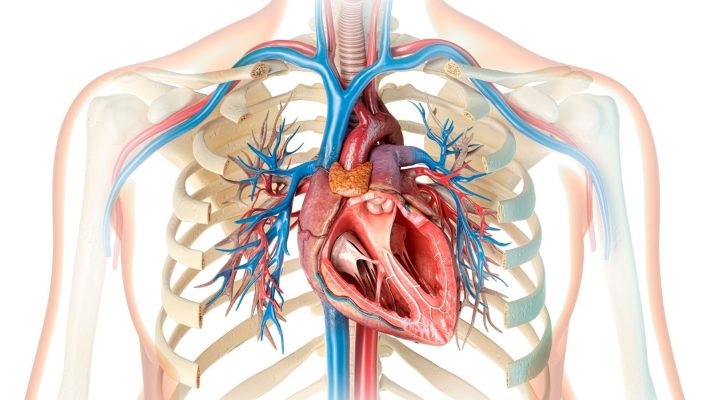
Aortic Valve Insufficiency: Symptoms, Stages, and Treatment
Girişimsel Kardiyoloji | Prof. Dr. Kadriye Kılıçkesmez » General » Aortic [...]
Read More ➜
29
Apr
Apr
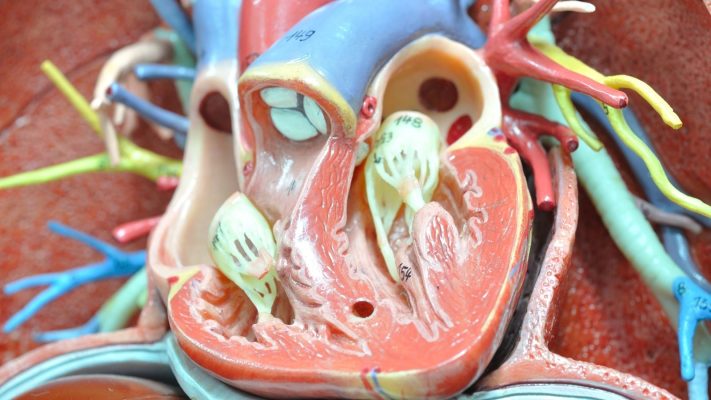
What Is Aortic Valve Regurgitation? Symptoms and Treatment
Girişimsel Kardiyoloji | Prof. Dr. Kadriye Kılıçkesmez » General » What [...]
Read More ➜
29
Apr
Apr
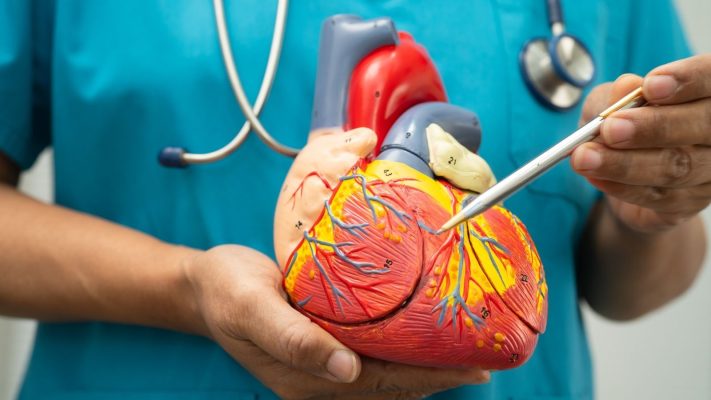
What Is a Heart Valve? Heart Valve Diseases, Symptoms, and Treatments
Girişimsel Kardiyoloji | Prof. Dr. Kadriye Kılıçkesmez » General » What [...]
Read More ➜
29
Apr
Apr
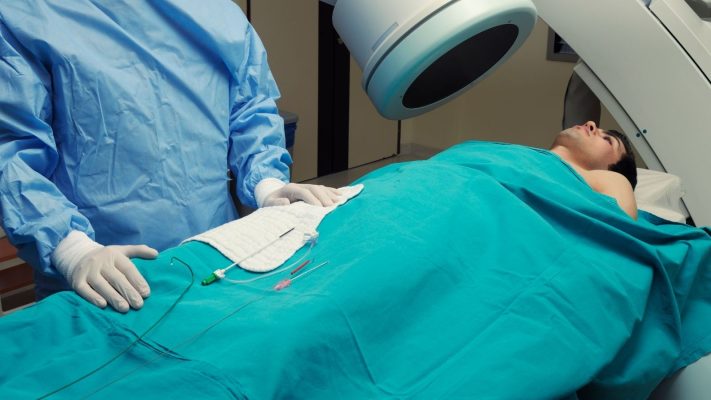
What Is Angiography? How Is It Performed and What Are the Risks?
Girişimsel Kardiyoloji | Prof. Dr. Kadriye Kılıçkesmez » General » What [...]
Read More ➜
29
Apr
Apr

What Is Rheumatic Heart Disease? Symptoms and Treatment
Girişimsel Kardiyoloji | Prof. Dr. Kadriye Kılıçkesmez » General » What [...]
Read More ➜
29
Apr
Apr
What Is Coronary Artery Disease? Symptoms, Causes, and Treatments
Girişimsel Kardiyoloji | Prof. Dr. Kadriye Kılıçkesmez » General » What [...]
Read More ➜
29
Apr
Apr
What Is Cardiovascular Blockage? Symptoms and Treatment
Girişimsel Kardiyoloji | Prof. Dr. Kadriye Kılıçkesmez » General » What [...]
Read More ➜
29
Apr
Apr
What Is Heart Failure? Symptoms and Treatment of Heart Failure
Girişimsel Kardiyoloji | Prof. Dr. Kadriye Kılıçkesmez » General » What [...]
Read More ➜
29
Apr
Apr