Türkçe
 Français
 Deutsch
 Italiano
 Español
A heart valve is a vital tissue flap inside the heart that regulates blood traffic and opens and closes in one direction to prevent blood from flowing backward. Heart valve diseases are mechanical disorders that occur when these structures become calcified over time and cannot open sufficiently (stenosis) or loosen and leak blood (regurgitation). This condition, which progresses insidiously in the early stage, brings serious symptoms such as shortness of breath, chest pain, and palpitations as it advances. In modern medicine, heart valve treatments are now successfully performed without opening the chest cavity, using interventional cardiology techniques, by entering through only a small needle hole, rapidly improving the patient’s quality of life.
What Is a Heart Valve and How Does the System Work?
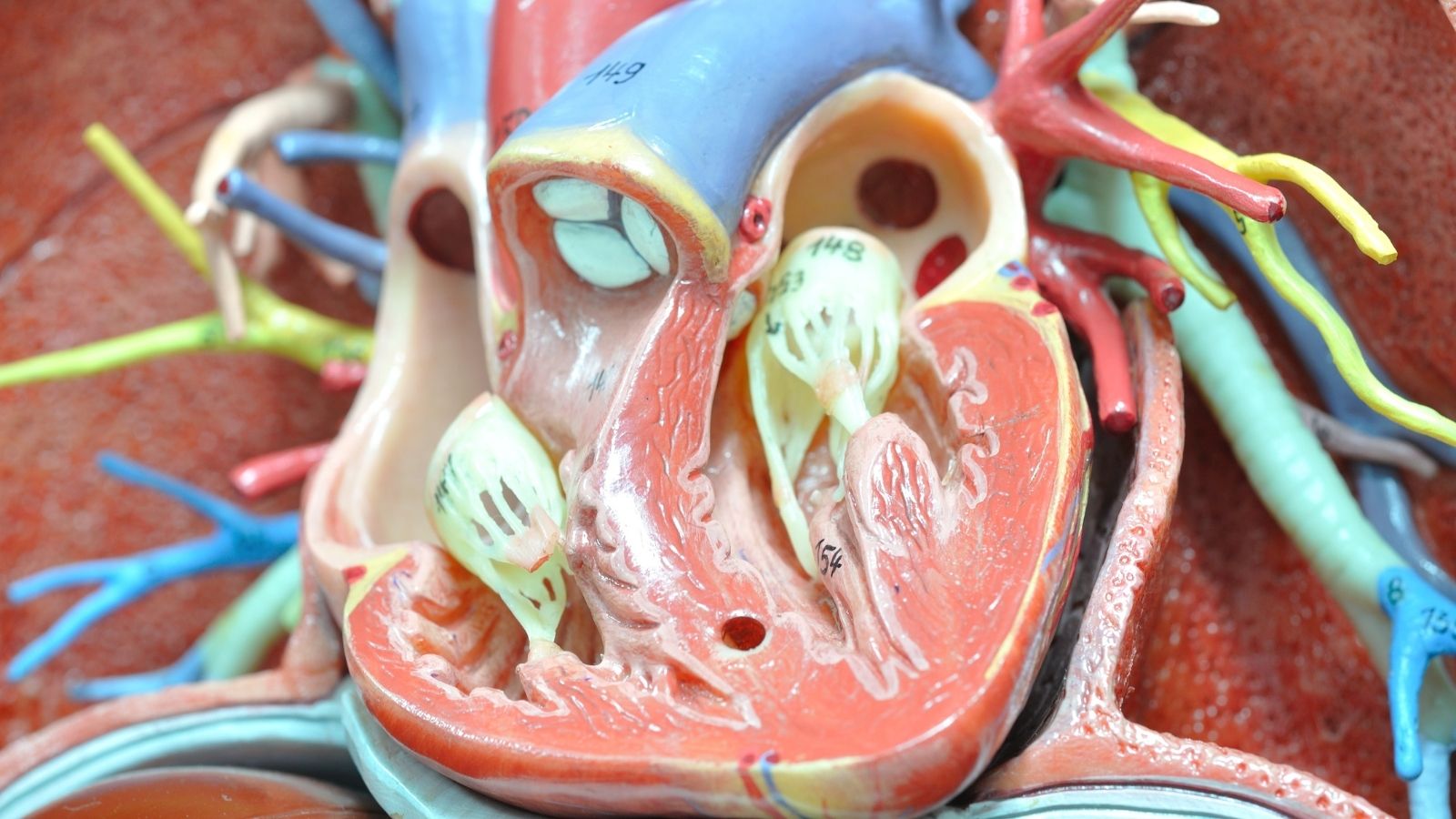
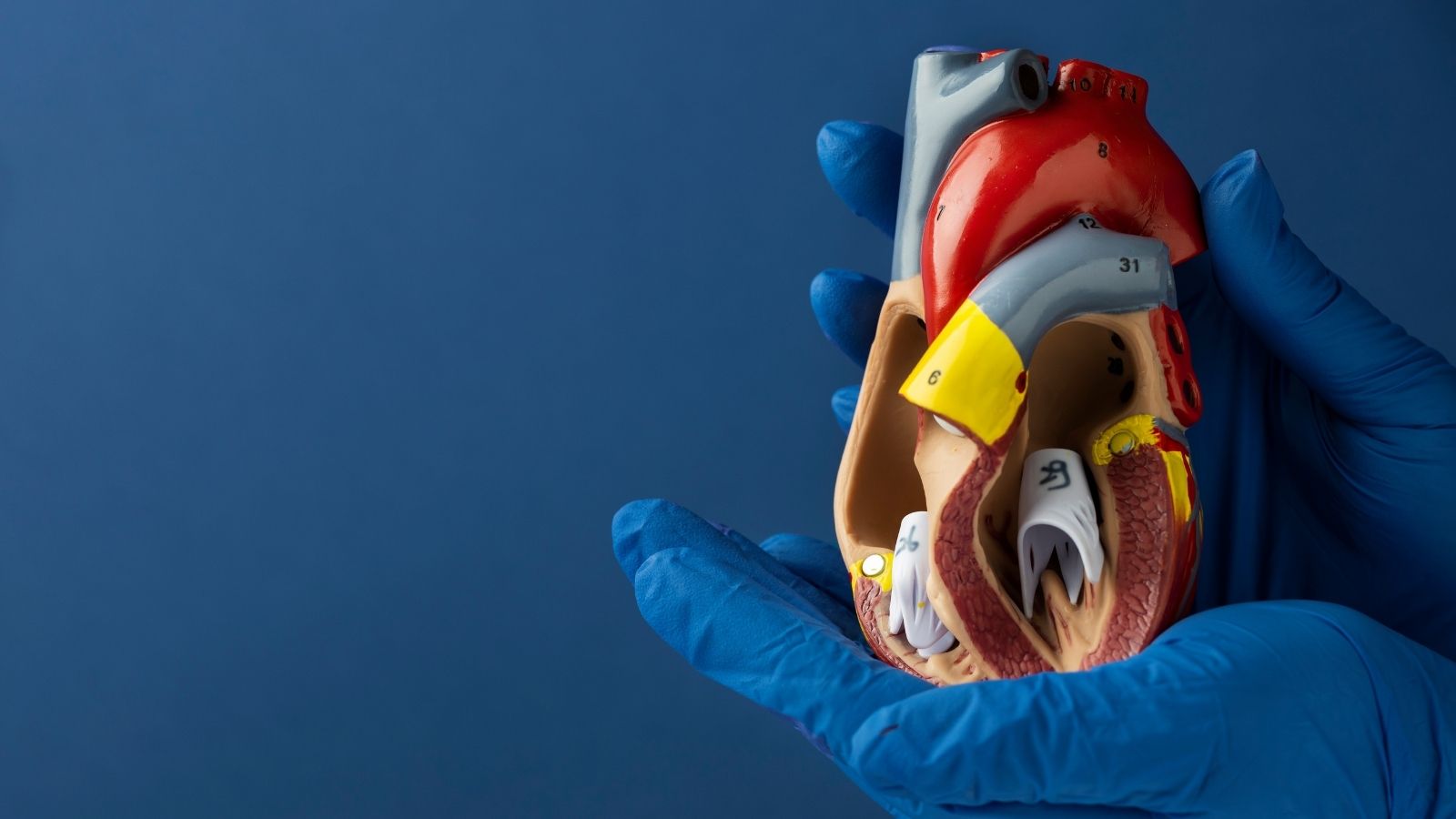
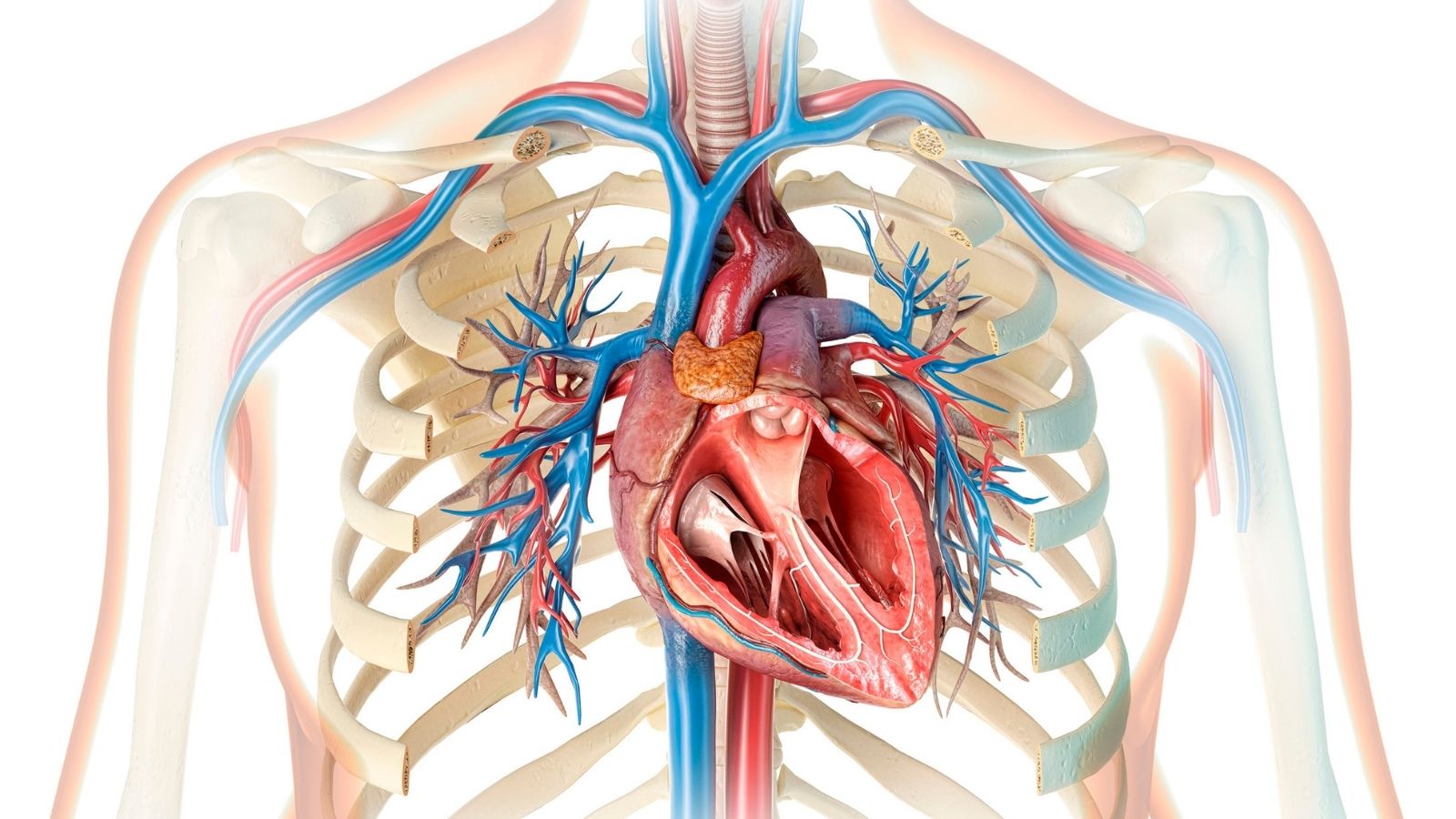
The human heart is a muscle mass made up of four different chambers and works without stopping. Each of these four chambers is responsible for transferring blood to the next station. While blood travels between these chambers and exits the heart into the large vessels, there must be a one-way traffic flow. Heart valves are the biological check valves, in other words one-way doors, that regulate this traffic, prevent blood from flowing backward, and allow it to flow only forward.
In a healthy person, the heart beats an average of one hundred thousand times a day. This means that the heart valves open and close one hundred thousand times every day. It is truly a great miracle that such an intensely working mechanical system functions flawlessly for decades. When the heart contracts, some valves open wide and allow blood to gush out, while other valves close tightly within the same millisecond to prevent blood from going in the wrong direction. Thanks to this unique harmony, blood first goes to the lungs and fills with oxygen, then returns to the heart, and finally is pumped powerfully into the body to nourish all our organs, from our brain to the tips of our toes.
What Are the Types of Heart Valves in Our Body and What Are Their Functions?
There are four main doors in the anatomy of the heart that determine the direction of blood. The location, structure, and pressure exposure of each are very different from one another.
The valve names are as follows:
- Aortic valve
- Mitral valve
- Tricuspid valve
- Pulmonary valve
The aortic valve is the main exit door through which the heart pumps clean blood to the entire body. The durability of this structure, which is exposed to the strongest contraction of the heart and passes blood into the main artery with enormous pressure, is vital. The mitral valve is located on the left side of the heart, between the upper chamber where clean blood collects and the lower chamber that performs the main pumping function. It has a complex ligament structure resembling a parachute. The tricuspid valve regulates the filling of oxygen-depleted dirty blood returning from the body into the right side of the heart. The pulmonary valve guards the route through which dirty blood is sent to the lungs to be cleaned.
In What Forms Do Heart Valve Diseases Appear?
When considered as a mechanical system, the malfunction of these biological doors occurs in two basic ways. The first is narrowing of the valve, and the second is valve insufficiency, meaning leakage.
In narrowing, the leaflets that form the valve and are as thin as a membrane thicken, harden, and stick to each other over time. Imagine a door whose hinges have rusted and can remain only slightly open; blood has great difficulty passing through this narrow opening. The heart has to spend much more power than normal to push the blood the body needs through that narrow space. This excessive effort causes the heart muscle to become overly thickened like a weightlifter’s muscle over time, and eventually to become exhausted and fail.
In insufficiency, meaning leakage, the problem is that the valve cannot close completely. The thread-like ligaments holding the valve may rupture, or the leaflets may sag. When the heart contracts with full force and pushes blood forward, some of the blood escapes backward through this door that cannot close fully. This is similar to a boat that is constantly taking in water while trying to empty itself. The heart has to pump the same blood again and again. This constantly increasing volume load eventually causes the heart chambers to stretch and enlarge like a balloon, leading the heart to lose its normal shape. In some patients, both narrowing and leakage may occur in the same valve at the same time.
Why Do Heart Valve Diseases Occur?
There is no single cause of deterioration in heart valves; multiple factors can damage the structure of these doors over the years. Especially in our country, rheumatic fever, which was very common in past years and develops as a result of inadequately treated tonsil infections during childhood, is one of the biggest causes. The defense mechanism produced by the body against bacteria in the throat unfortunately attacks the heart valves as well, causing them to thicken and stick together over time.
In addition, advancing age is perhaps the most universal cause. Just as the plumbing in our home becomes calcified over the years, calcium begins to accumulate especially on the leaflets of the aortic valve. After the sixties and seventies, this calcification can become so pronounced that the valve almost turns to stone and becomes unable to move.
Additionally, some people may be born with a valve that has two leaflets instead of the three leaflets it should normally have. This anatomical difference causes the valve to wear out much earlier than normal. On the other hand, a bacterium entering the bloodstream and settling directly on the heart valve, creating inflammation there, is also a serious condition that can cause the valve to erode and rupture very quickly.
What Are the Symptoms of Heart Valve Diseases?
These diseases progress very insidiously at the beginning. The human body has an incredible ability to adapt to developing problems. When a problem begins in a heart valve, the heart first strengthens its muscles or changes its size to tolerate this condition. The patient may continue living for years without feeling anything. However, when these reserve powers of the heart are exhausted, complaints begin to appear suddenly and severely.
Common symptoms are as follows:
- Shortness of breath
- Getting tired quickly
- Palpitations
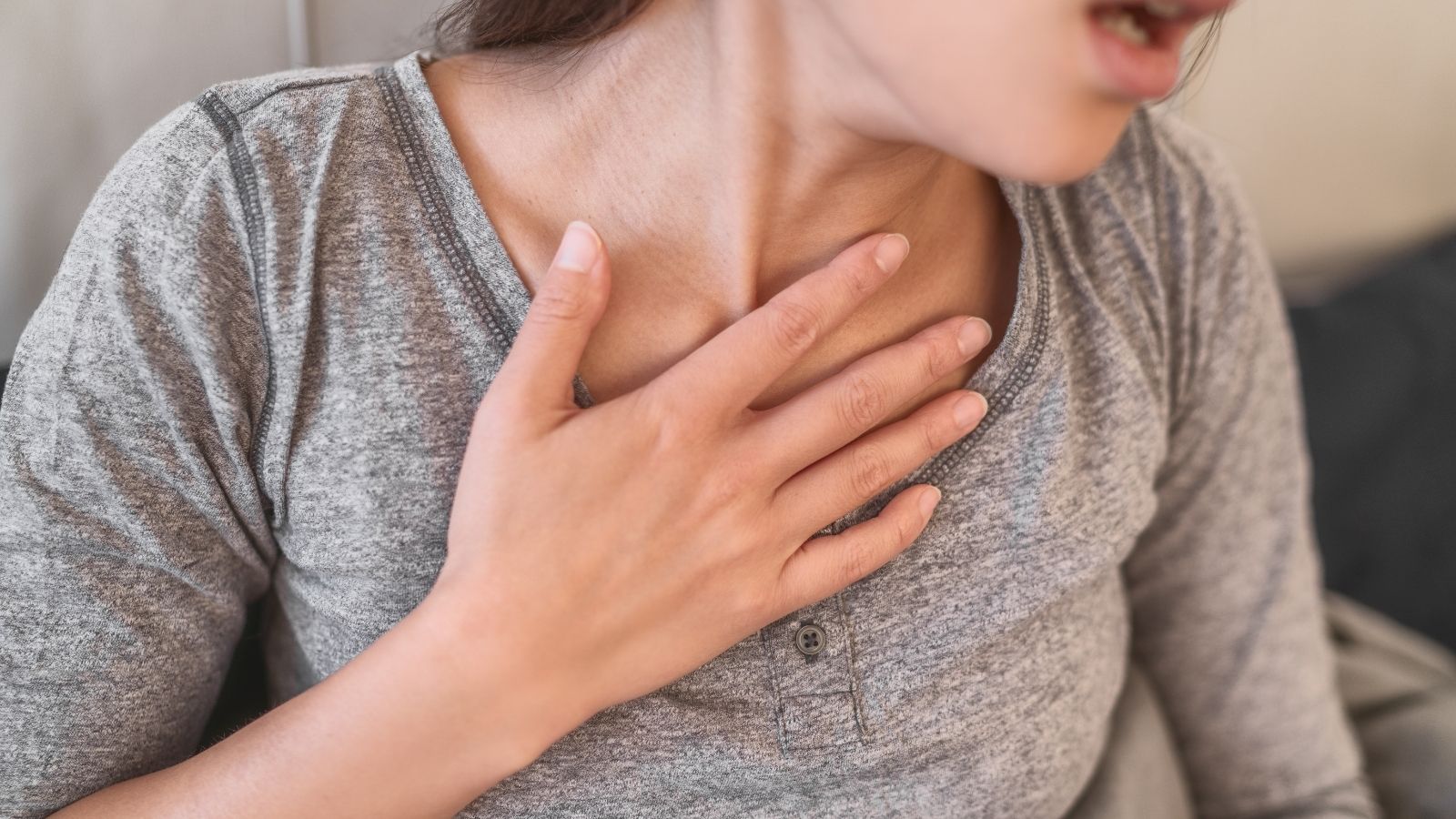
- Chest pain
- Dizziness
- Fainting
- Swelling in the legs
- Edema in the ankles
- Feeling of choking at night
- Dry cough
The way these symptoms appear differs according to the diseased valve. For example, if the problem is in the aortic valve, the patient feels a serious pressure or burning sensation in the middle of the chest, especially when climbing uphill or exerting effort. Sometimes, because enough blood does not go to the brain, sudden darkening of vision and fainting episodes occur. If the problem is in the mitral valve, the blood leaking backward begins to pool in the lungs. This pooling makes it impossible for the person to lie completely flat; they wake from sleep at night with a feeling of choking and feel the need to open a window. When there is a problem in the valves on the right side of the heart, blood accumulates in the lower parts of the body. At the end of the day, prominent swelling that leaves sock marks on the legs and ankles, fluid accumulation in the abdomen, and loss of appetite come to the forefront.
With Which Methods Are Heart Valve Diseases Diagnosed?
When you consult a doctor with a complaint, the first step of the process is detailed listening. While the chest is listened to with an instrument called a stethoscope, the turbulent sound that blood should not normally produce as it passes through the heart, namely a murmur, is sought. The intensity of the murmur, the area where it is heard, and its character provide very valuable clues about which valve has the problem and to what degree.
However, advanced imaging devices are needed to make a definitive diagnosis, measure dimensions, and see the strength of the heart. The most basic and harmless method is echocardiography. With the help of a gel applied to the chest surface and an ultrasound probe that works with sound waves, the real-time functioning of the heart is watched live on the screen. How much the valves can open, how much blood leaks backward, and how tired the heart muscle is are calculated millimetrically with this method.
In some cases, especially to see the valves located on the back side of the heart much more clearly, almost as if watching from a high-resolution television, a different route is used. With a method similar to stomach endoscopy, the patient’s throat is numbed and a very thin cable is lowered through the esophagus. Since the esophagus is adjacent to the heart, a very detailed three-dimensional map of the valves is created without ribs or lungs in between. This map is an indispensable guide for doctors, especially in planning nonsurgical treatment.
How Are Aortic Heart Valve Diseases Treated Without Surgery?
Until not so long ago, the only solution for a severely narrowed aortic valve was a major open-heart surgery in which the breastbone was cut from top to bottom, the heart was completely stopped, and the patient was connected to an artificial heart-lung machine. Especially for people of advanced age with kidney failure or lung diseases, the risk of this surgery could be even more dangerous than the disease itself.
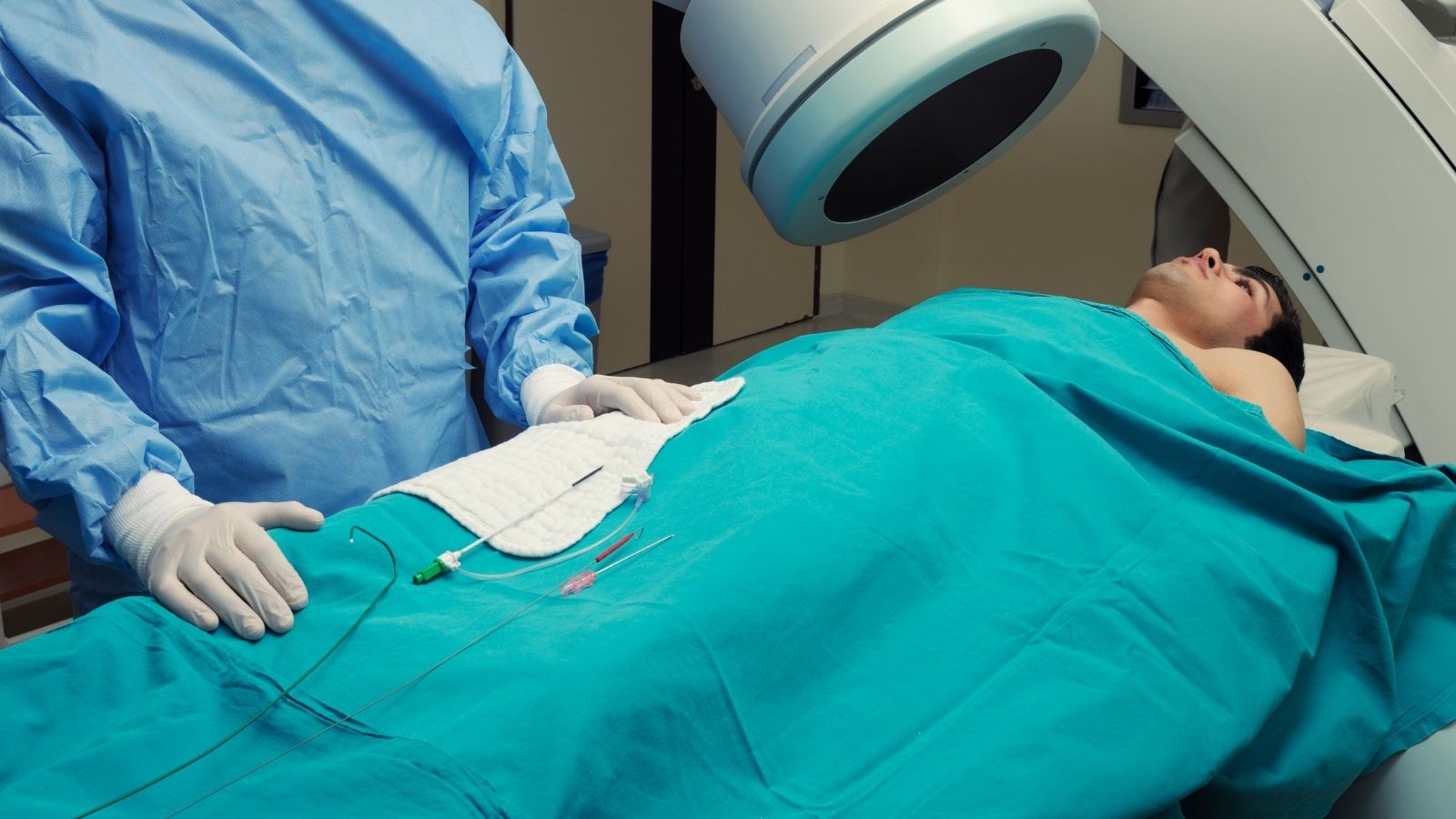
Thanks to the TAVI method, which has revolutionized the medical world, it is now possible to replace the aortic valve without going through this major surgical process. The TAVI procedure is usually performed through a tiny needle hole in the groin area with only a mild sedative, often without even needing to put the patient to sleep. Using thin, flexible tubes, the physician advances from the groin artery all the way to the heart. When the specially produced new biological valve attached to the tip reaches the heart, it is placed right in the middle of the old calcified valve. This new valve opens like an umbrella, pushes the old calcified valve toward the sides, takes its place, and begins working immediately.
Because patients do not experience a painful wound-healing process lasting weeks, they can stand up a few hours after the procedure and are usually discharged from the hospital within two days to return to their normal lives. This method not only extends patients’ survival but also allows them to walk without shortness of breath and live an active life.
How Is the Clip Method Applied in the Treatment of Mitral Heart Valve Diseases?
The mitral valve is a very special valve that must constantly withstand the high-pressure contractions of the left ventricle. If the two leaflets of this valve cannot touch each other and blood leaks between them, the resulting mitral regurgitation leaves the patient breathless. The clipping method, namely the MitraClip method, developed for patients who are too frail or elderly to tolerate open-heart surgery, offers a very elegant solution to this leakage problem.
The procedure works entirely with the logic of angiography. Again, the heart is reached by entering through a vein in the groin area, passing to the right side of the heart, and from there to the left side through a small opening. At the tip of the delivered system is a specially designed small clip. This clip, passing through the middle of the leaking valve, catches the two leaflets that do not close and staples them together from the center. Thus, instead of one large and leaking opening, two much tighter small openings with increased sealing are obtained.
The backward leakage of blood is immediately and significantly reduced in this way. The moment the unnecessary load on the heart is removed, the lungs swollen due to fluid accumulation relax. Patients feel that relief by taking a deep breath as soon as they wake up on the procedure table. The choking sensations experienced while falling asleep at night disappear and the frequency of hospitalization decreases dramatically. In mitral valves narrowed due to rheumatic causes, a special balloon sent through the groin is used instead of a clip. The adhesions in the valve are opened by inflating the balloon, and patients can continue their lives without problems for many years.
Which Modern Methods Are Used for Tricuspid Heart Valve Diseases?
For many years, the tricuspid valve remained in the background in the world of cardiology and was somewhat neglected while attention focused on other valves. However, today we know very clearly that leakage of this valve on the right side of the heart deeply disrupts the entire body system. When blood cannot enter the heart and begins to pool in the liver, kidneys, legs, and abdominal cavity, the patient’s quality of life drops to zero. Shoes can no longer be worn, and a constant feeling of fatigue and heaviness takes over the body.
Now we also have a very effective weapon for this valve, similar to the method we use in the mitral valve. Thanks to new-generation clipping systems specially produced for the wider and more complex three-leaflet structure of the tricuspid valve, leaking areas are detected and attached to each other. After this procedure is performed, that high-pressure backflow striking the liver and kidneys disappears. The kilograms of excess water accumulated in the body are eliminated through urine. The patient experiences great relief both physically and psychologically. While major open-heart surgery carries the risk of completely shutting down the kidneys in elderly patients, this minimal method protects the internal organs and prevents heart failure.
How Are Heart Holes Seen Together with Heart Valve Diseases Repaired?
Sometimes there is not only a problem in the valves in the structure of our heart, but also congenital holes between the chambers that have not closed. These openings in the wall between the upper chambers cause dirty and clean blood to mix, and they also carry a much more serious threat. When a tiny blood clot formed anywhere in the body, for example in the leg veins, reaches the heart, it can pass directly through this hole without getting caught in the lung filter and shoot into our brain. This causes strokes, that is paralysis, which can appear suddenly without any warning signs.
There is no need to split the chest to close these holes anymore. In the angiography laboratory, the hole is reached through very thin tubes from the groin. Smart devices shaped like an umbrella or double-sided button and woven from very fine wires are delivered through the system and placed exactly over the hole. When the device is released, it expands and completely blocks the hole by squeezing it like a sandwich from both sides. Over time, the body covers this device with its own tissue and the hole disappears completely into history. The day after this half-hour procedure, the patient is discharged walking, and the risk of stroke is largely eliminated.
How Should Daily Life Be After Heart Valve Disease Treatment?
After all these modern interventions performed through the groin, the body’s recovery is incredibly fast compared to traditional open-heart surgeries. However, leaving the hospital does not mean that everything is over. Since a new part has been added to the body or a repair has been performed, the first few months are an adaptation period. During this period, it is necessary to avoid extremely heavy physical activities that would unnecessarily strain the heart, while it is very important to remember that daily walks, on the contrary, accelerate recovery.
The medications to be used after the procedure, especially the blood-thinning pills given to prevent blood from clotting in the repaired area, must never be missed for the duration recommended by the physician. In addition, making permanent lifestyle changes is now a necessity in order to protect the new valve and overall heart health for many years. Minimizing salt intake, keeping the body at an ideal weight to reduce the load carried by the heart, and regularly keeping blood pressure under control are the golden rules that ensure the successful result after treatment remains permanent.
Which Steps Should Be Taken to Reduce the Risk of Heart Valve Diseases?
Whether you have a repaired heart valve or a genetic predisposition to these diseases, protecting your overall heart health is entirely in your hands. The steps that can be taken to avoid tiring the heart and to slow the wear process of the valves are actually the basic health principles we all know but have difficulty applying.
The precautions that can be taken are as follows:
- Regular walking
- Salt-free diet
- Quitting smoking
- Weight control
- Blood pressure monitoring
- Blood sugar measurement
- Brushing teeth
Perhaps tooth brushing may have caught your attention on this list. Oral and dental health is directly connected to heart valves. Bacteria that multiply in our mouth due to gum diseases or cavities can leak into the bloodstream, easily reach the heart, and settle directly on the heart valve, starting a destructive and fatal infection there. Therefore, not only brushing teeth, but also going to regular dental checkups and using preventive antibiotics with your doctor’s knowledge before any tooth extraction or procedure is one of the most unexpected yet most effective ways to protect your heart valve.

Prof. Dr. Kadriye Orta Kılıçkesmez is one of the leading figures in the field of Turkish cardiology. She was born on January 24, 1974, in Tekirdağ. After completing her undergraduate education at Istanbul University Cerrahpaşa Faculty of Medicine, she chose cardiology as her specialty and received her specialist training at the Cardiology Institute of the same university. In 2015, she was appointed by the university to establish the Şişli Etfal cardiology clinic and Angio laboratory. Becoming a professor in 2017, Kadriye Kılıçkesmez established the cardiology clinic and Angio laboratory of Prof. Dr. Cemil Taşçı Hospital in 2020 and ensured that the clinic became a training clinic.