Türkçe
 Français
 Deutsch
 Italiano
 Español
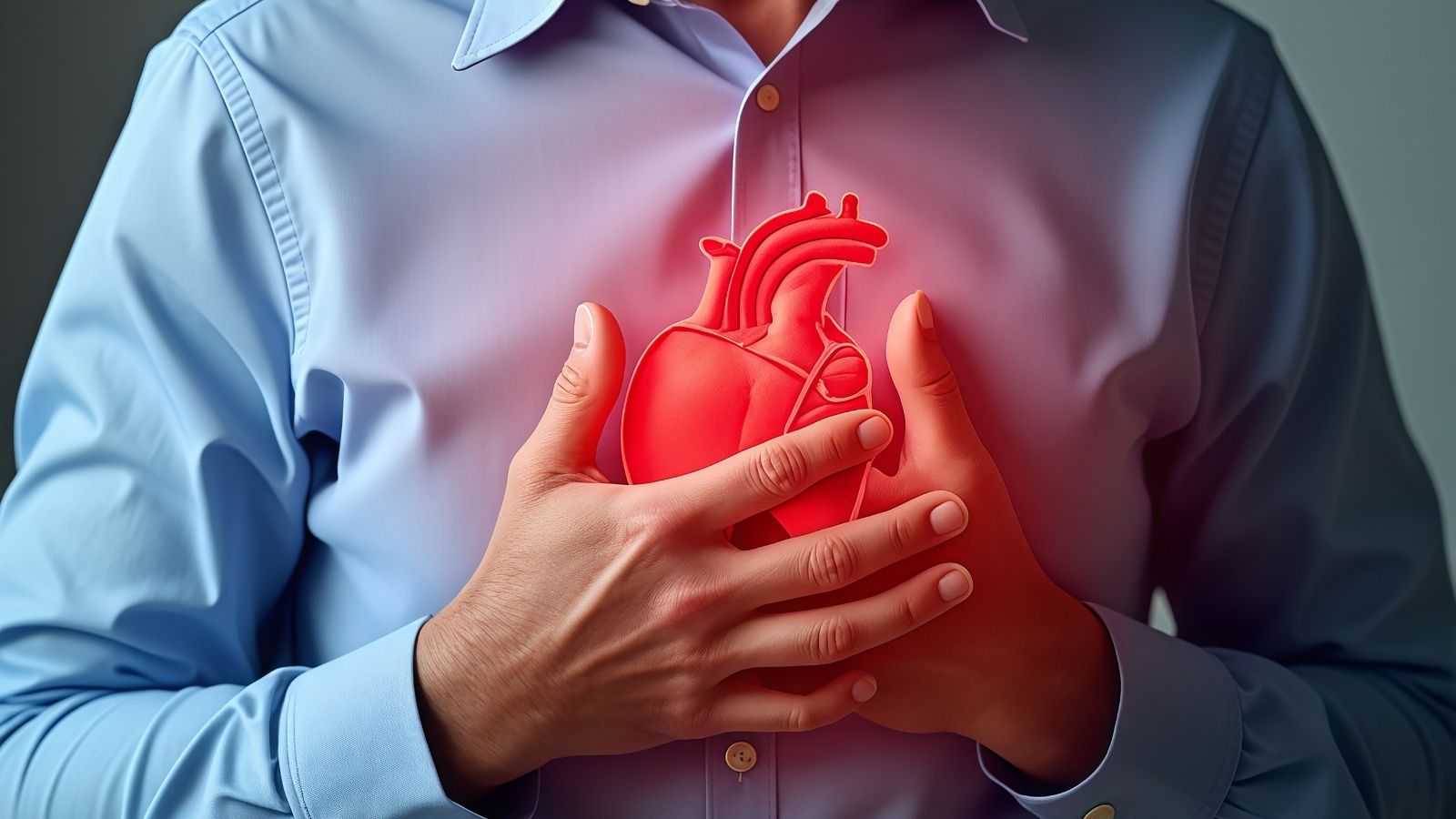
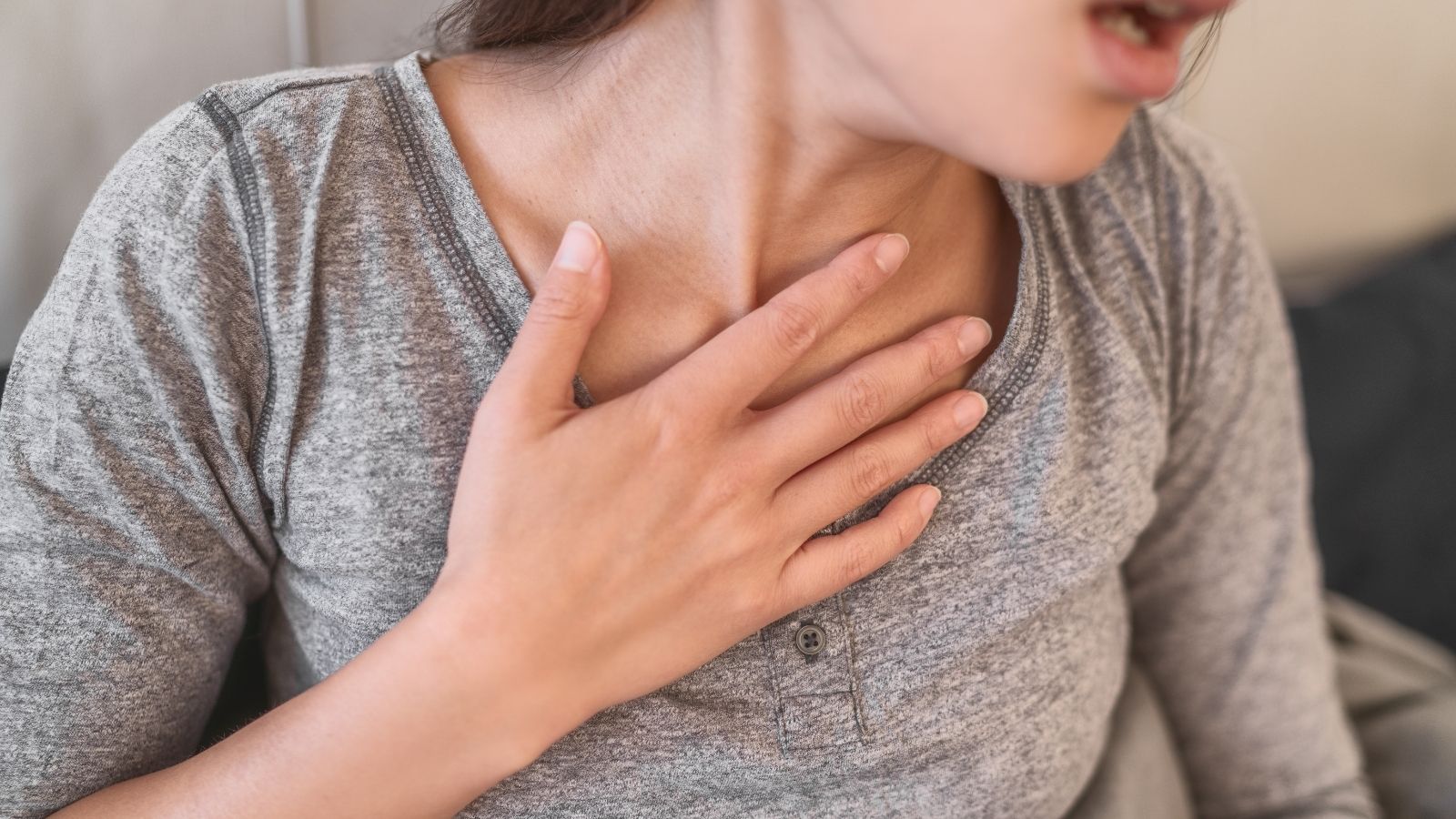
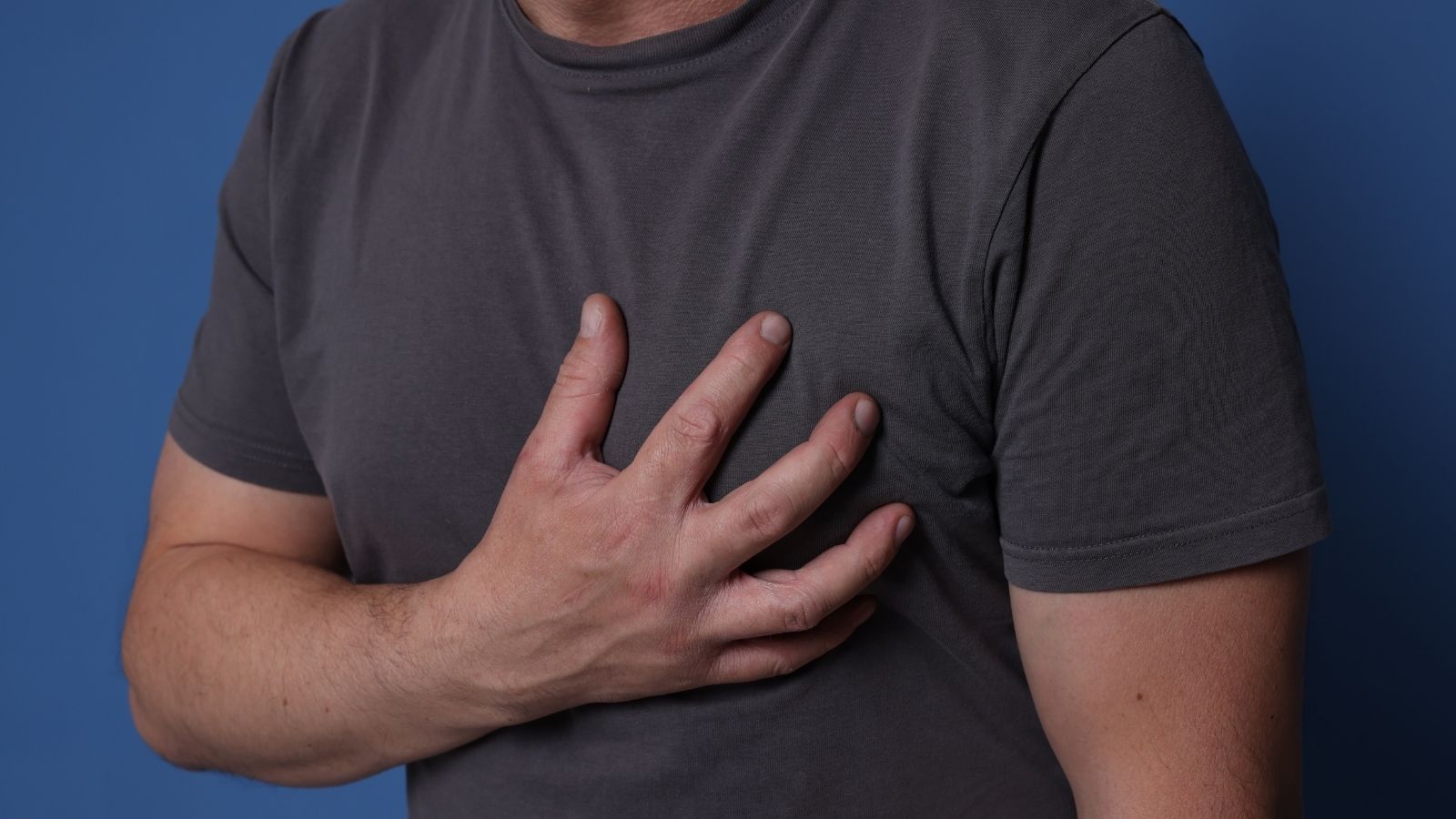
Chest pain is a clinical symptom that may occur as a sign of different diseases originating from the heart, lungs, musculoskeletal system, or digestive system. Pain may be felt as pressure, burning, stabbing, or tightness and, in some cases, may spread to the arm, back, neck, or jaw. Correct evaluation of the underlying cause is medically important.
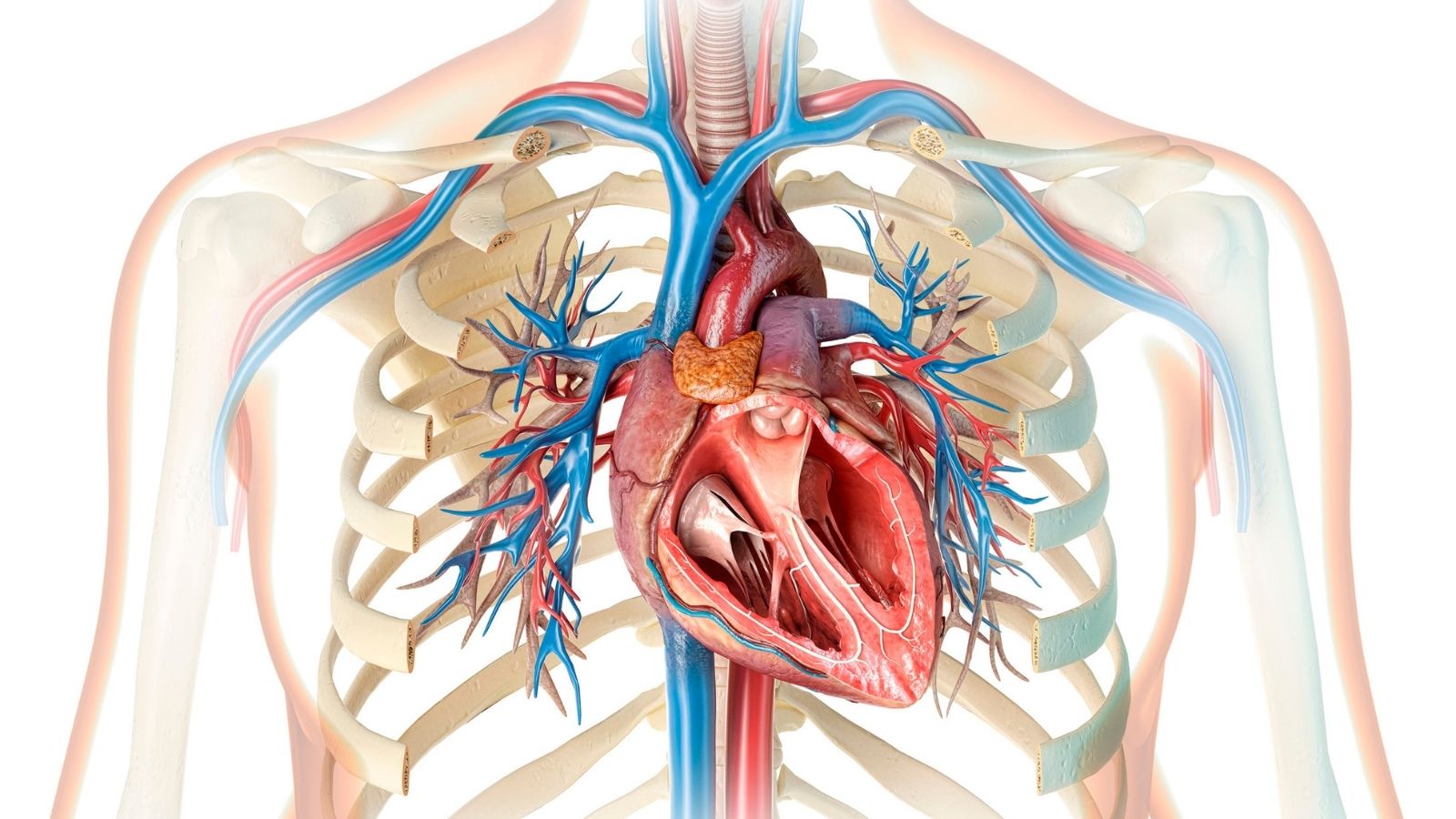
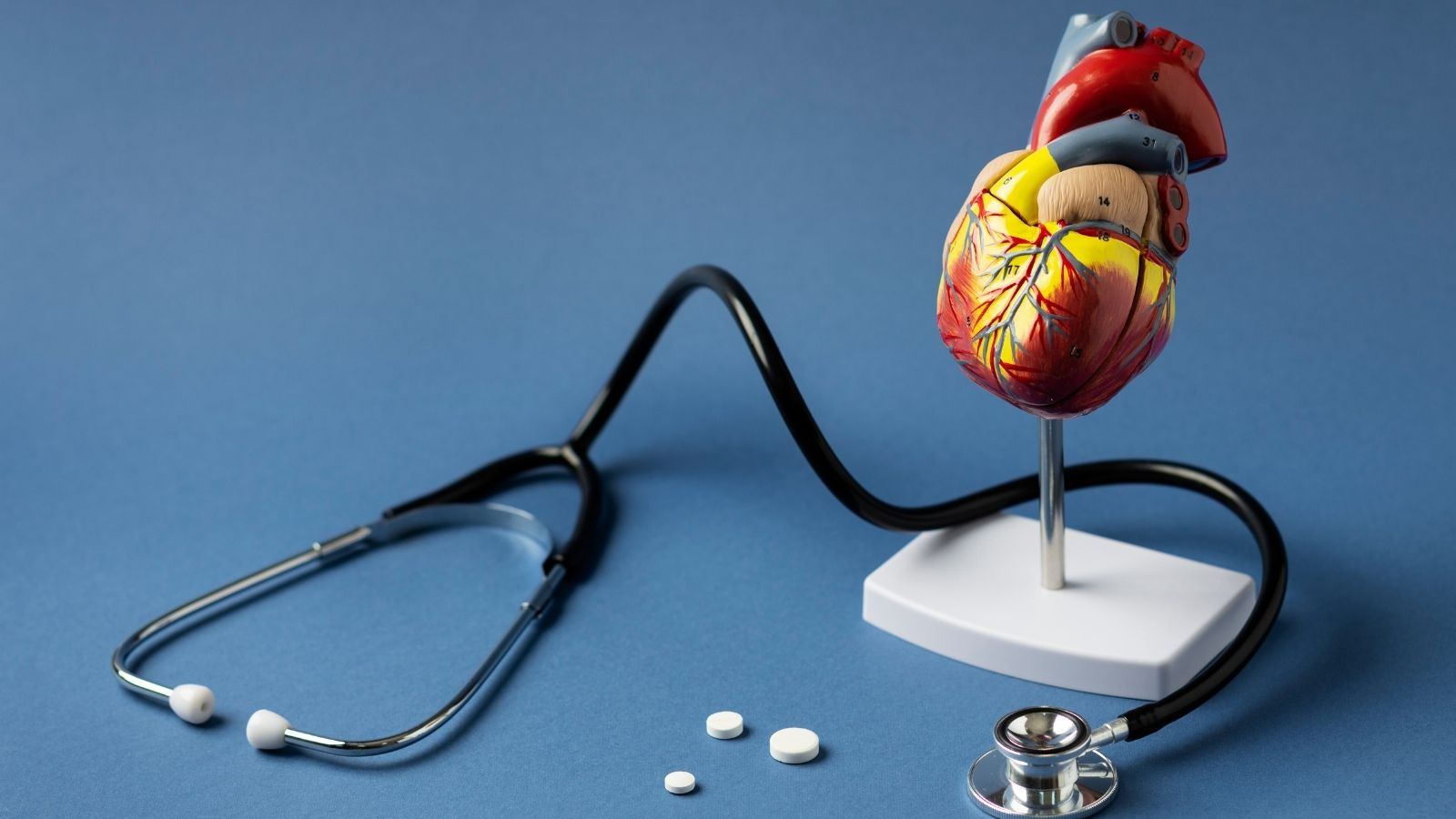
Chest pain related to cardiovascular diseases usually appears as a feeling of pressure or tightness in the middle of the chest and may increase with exertion. Coronary artery disease, angina pectoris, and heart attack are among the most serious causes of this pain. Shortness of breath, sweating, nausea, or dizziness may accompany the pain.
Chest wall pain originating from the musculoskeletal system may develop in conditions such as strain of the rib muscles, costochondritis, or trauma. These types of pain mostly increase with movement, touch, or deep breathing. Sports injuries, heavy lifting, and sudden movements may be effective in the occurrence of this type of pain.
Chest pain related to digestive system and lung diseases is associated with conditions such as reflux, gastritis, lung infections, or pleural inflammation. Burning-type pain originating from the esophagus may especially increase after meals. In lung diseases, respiratory symptoms such as cough, fever, and shortness of breath may accompany it.
| What You Need to Know | Information |
| Heart-related causes | Conditions such as heart attack (myocardial infarction), angina pectoris, pericarditis (inflammation of the heart membrane), myocarditis (inflammation of the heart muscle), and aortic dissection may cause chest pain. These types of pain are usually in the form of pressure, tightness, or burning and may spread to the left arm, neck, or jaw. |
| Lung-related causes | Conditions such as pulmonary embolism (clot in the lung vessels), pneumonia, pleuritis (inflammation of the lung membrane), pneumothorax (collapsed lung), and chronic obstructive pulmonary disease (COPD) may cause chest wall pain. |
| Gastrointestinal causes | Digestive system disorders such as gastroesophageal reflux disease (GERD), esophageal spasm, stomach ulcer, and gallbladder diseases may also cause chest pain. Reflux-related pain may increase after meals. |
| Musculoskeletal system causes | Conditions such as costochondritis (inflammation of the rib cartilage), muscle strains, rib fractures, and fibromyalgia are among the most common causes of chest wall pain. The pain usually increases with movement and is localized to a specific point. |
| Psychological causes | Anxiety, panic attacks, and somatization disorders may lead to complaints of chest pain. These types of pain may often be difficult to distinguish from cardiac-related pain, and shortness of breath and a feeling of palpitations may accompany them. |
| Other causes | Systemic diseases such as shingles (herpes zoster), chest wall tumors, thyroid disorders, and anemia may also cause chest wall pain. Evaluation and examination directed at the cause are important. |
What Is Chest Pain?
Chest pain is a discomfort that is usually felt in the middle of the rib cage and can be described as pressure, tightness, burning, or aching. This pain may sometimes spread to your back, neck, jaw, arms, or even your teeth. This pattern of spread may be an important clue in determining the source of the pain. For example, sharp chest pain spreading to the left arm may bring the possibility of a heart attack to mind, while pain that increases with breathing and is concentrated at a specific point may indicate a problem related to the musculoskeletal system.
The causes of chest pain are quite diverse. We can generally group these under four main headings:
- Cardiovascular (Heart and Vessel) Causes: Serious heart and vascular diseases such as heart attack, angina, pericarditis, and aortic dissection.
- Pulmonary (Lung) Causes: Pulmonary embolism, pneumonia, pneumothorax (air accumulation in the lung membranes), pleurisy (inflammation of the lung membrane).
- Gastrointestinal (Digestive System) Causes: Reflux (stomach acid escaping into the esophagus), esophageal spasms, ulcer, gallstones.
- Musculoskeletal System Causes: Rib fractures, muscle strains, costochondritis (inflammation of the cartilage where the ribs connect to the breastbone), hernias.
- Other Causes: Less common conditions such as panic attack, shingles, and breast cancer.
This complex picture clearly shows that chest pain should not be taken lightly. Each cause has its own specific symptoms, risk factors, and treatment approaches.
Cardiovascular Causes of Chest Pain
The most feared cause of chest pain is undoubtedly problems originating from the heart and vascular system. These problems may lead to serious consequences if not treated in time.
Heart Attack (Myocardial Infarction)
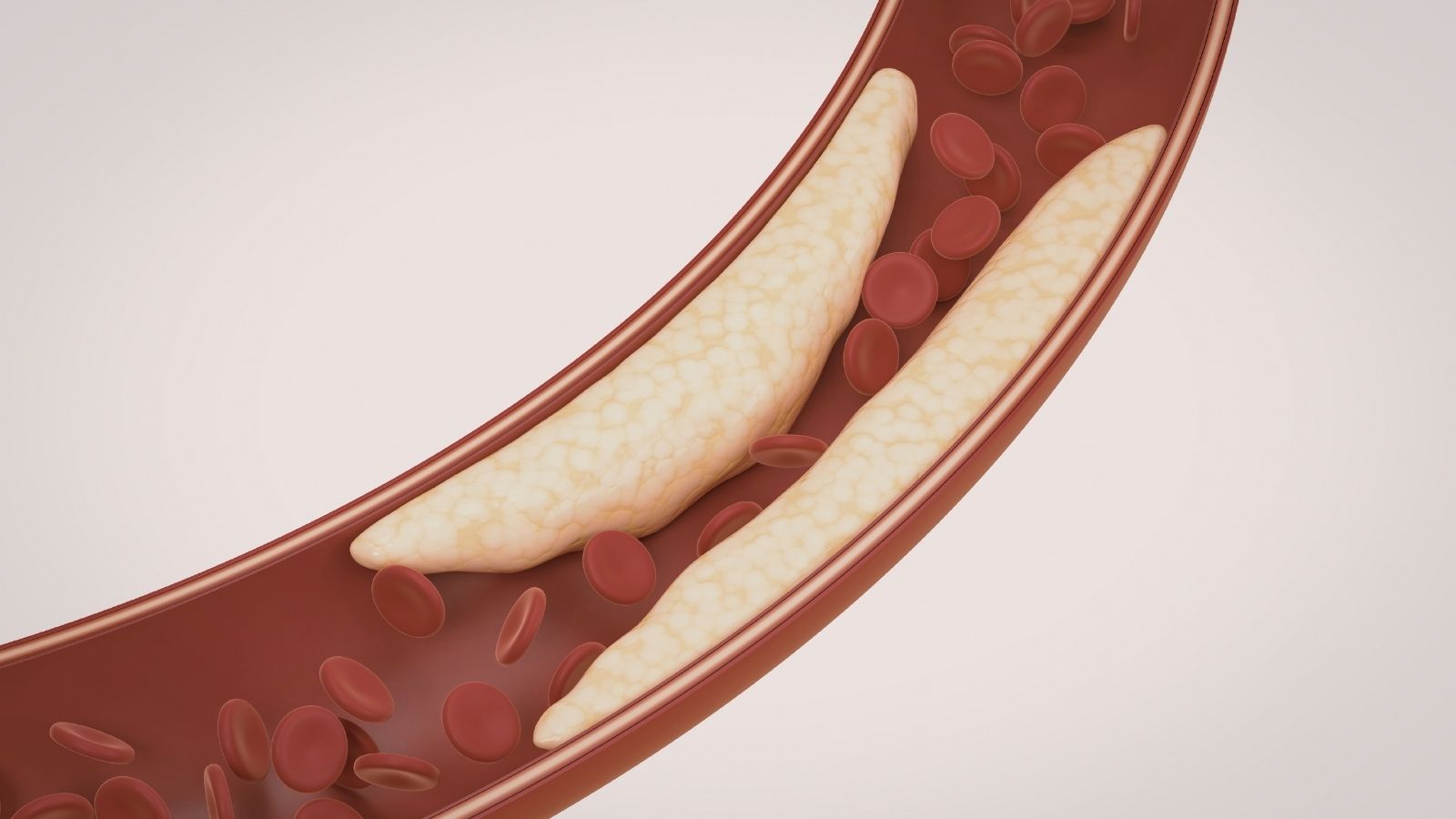
A heart attack is the damage or death of a part of the heart due to lack of oxygen as a result of sudden blockage of one or more of the coronary arteries that feed the heart. This condition is one of the most urgent and life-threatening causes of chest pain.
What Are Its Symptoms?
- Intense Chest Pain: Severe pain usually felt in the middle or left side of the chest, in the form of squeezing, crushing, pressure, and sometimes a burning sensation. The pain may last longer than a few minutes.
- Spread of Pain: The pain may often spread to the left arm, sometimes to the right arm, neck, jaw, teeth, or back.
- Shortness of Breath: A sudden onset and gradually increasing feeling of shortness of breath.
- Cold Sweating: Sudden and intense sweating of the body.
- Nausea and Vomiting: Symptoms that may be seen especially in women and the elderly.
- Dizziness and Feeling of Fainting: May occur due to a sudden drop in blood pressure.
- Extreme Fatigue and Weakness: A sudden and unexplained state of exhaustion.
What Are the Risk Factors?
- Age (over 45 in men, over 55 in women)
- Family history of heart disease
- High blood pressure (hypertension)
- High cholesterol (hyperlipidemia)
- Diabetes mellitus
- Smoking
- Obesity
- Lack of physical activity
- Stress
- Alcohol use
What Should Be Done?
If a heart attack is suspected, call emergency services immediately. Do not try to go to the hospital by car in any way or wait for someone else to take you. Time is vital for the heart muscle. Try to stay calm until your doctor arrives and use the medications recommended by your doctor (such as aspirin, if available).
Angina Pectoris (Chest Angina)
Angina is chest pain that occurs when the heart muscle cannot receive enough oxygen. It is usually triggered by exertion and goes away with rest. It may be a warning sign before a heart attack.
What Are Its Symptoms?
- Pain Triggered by Exertion: Pain that starts during physical activities such as walking, climbing stairs, or lifting heavy objects and lasts for a short time (usually 5-10 minutes).
- Feeling of Tightness or Pressure: Similar to heart attack pain, a feeling of pressure or tightness felt in the middle of the chest.
- Spread: The pain may spread to the neck, jaw, shoulder, or arm.
- Shortness of Breath: Shortness of breath that occurs together with exertion.
- Relief with Rest: Usually resting for a few minutes relieves or completely eliminates the pain.
Types of Angina:
- Stable Angina: Recurrent and predictable pain at a certain level of exertion. It goes away with rest.
- Unstable Angina: Pain that occurs with less exertion or at rest, is more severe, lasts longer, and does not go away with rest. This condition requires emergency medical intervention and carries a high risk of heart attack.
What Should Be Done?
People diagnosed with stable angina should keep the medications recommended by their doctor (usually sublingual nitroglycerin) with them and use them when the pain begins. If the pain does not go away with rest, worsens, or begins to occur more frequently, call emergency services immediately.
Pericarditis (Inflammation of the Heart Membrane)
Pericarditis is inflammation of the pericardium, the sac surrounding the heart. This condition may cause chest pain.
What Are Its Symptoms?
- Sharp and Stabbing Pain: Usually a sharp, stabbing pain felt in the middle or left side of the chest.
- Pain Increasing While Breathing: Pain worsening especially when taking a deep breath or coughing.
- Pain Increasing When Lying on the Back: Leaning forward may relieve the pain.
- Fever: Fever may be seen as a sign of inflammation.
- Shortness of Breath: Shortness of breath felt especially while lying down.
What Should Be Done?
If you are experiencing symptoms of pericarditis, it is important to consult a doctor. Your doctor may perform tests such as ECG and echocardiography to determine the cause of the pain and prescribe appropriate treatment (usually anti-inflammatory medications).
Aortic Dissection
The aorta is the largest artery that carries blood from the heart to the body. Aortic dissection is the tearing of the inner layer of the aortic wall and blood leaking through this tear, splitting the wall into two. This is an extremely dangerous condition requiring urgent medical intervention.
What Are Its Symptoms?
- Sudden and Severe Chest Pain: Usually a tearing-like, sharp, and severe pain that starts in the middle of the chest.
- Back Pain: The pain usually spreads between the shoulder blades or toward the back.
- Pulse Difference in Different Arms or Legs: Depending on the extent of the dissection, there may be a significant difference between the pulses in the arms or legs.
- Shortness of Breath: Sudden onset and severe shortness of breath.
- Fainting or Loss of Consciousness: May occur due to low blood pressure.
- Stroke Symptoms: May be seen if blood flow to the brain is affected.
What Are the Risk Factors?
- High blood pressure (the most important risk factor)
- Atherosclerosis (hardening of the arteries)
- Genetic connective tissue diseases such as Marfan syndrome
- Trauma (blow to the chest area)
What Should Be Done?
If aortic dissection is suspected, call emergency services immediately. This condition requires rapid diagnosis and surgical intervention.
Pulmonary Causes of Chest Pain
Problems related to the lungs are also an important cause of chest pain. These pains are usually related to the act of breathing in and out.
Pulmonary Embolism (Lung Clot)
Pulmonary embolism is the condition in which blood clots in the legs or other parts of the body break off, reach the lungs, and block the pulmonary arteries. This is also a life-threatening emergency.
What Are Its Symptoms?
- Sudden Shortness of Breath: It is the most common symptom.
- Sharp Chest Pain: A stabbing or sharp pain that increases while breathing in and out.
- Fast or Irregular Heartbeat: The heart tries to beat faster in order to pump enough oxygen to the body.
- Cough: Sometimes it may be seen together with bloody sputum.
- Dizziness or Fainting: May occur due to lack of oxygen.
- Sweating and Feeling of Anxiety: A sudden and intense state of anxiety and sweating.
What Are the Risk Factors?
- Prolonged immobility (long trips, after surgery)
- Predisposition to blood clotting (genetic or acquired)
- Cancer treatment
- Birth control pills or hormone replacement therapy
- Smoking
- Obesity
- Heart failure
What Should Be Done?
If pulmonary embolism is suspected, call emergency services immediately. Rapid diagnosis and treatment (blood-thinning medications or clot-dissolving treatments) are lifesaving.
Pneumonia
Pneumonia is inflammation of the air sacs (alveoli) in the lungs. This inflammation may cause chest pain and breathing difficulty.
What Are Its Symptoms?
- Chest Pain: Usually a sharp or stabbing pain that increases while breathing in and out.
- Cough: Usually with sputum. Sputum may be yellow, green, or rust-colored.
- Fever and Chills: High fever and chills may be seen.
- Shortness of Breath: Shortness of breath that increases especially with exertion.
- Fatigue and Weakness: A general state of exhaustion.
What Should Be Done?
If you show symptoms of pneumonia, you need to consult a doctor. Your doctor will make the diagnosis by listening to your lungs, taking an X-ray, and performing blood tests if necessary. Treatment usually includes antibiotics and rest.
Pneumothorax (Collapsed Lung)
Pneumothorax is the filling of air between the lung and the chest wall as a result of tearing of the lung membrane (pleura). This condition causes the lung to partially or completely collapse.
What Are Its Symptoms?
- Sudden and Sharp Chest Pain: Usually a sharp pain felt on one side of the chest and increasing while breathing in and out.
- Shortness of Breath: Sudden onset and worsening shortness of breath.
- Fast Heartbeat: The heart may beat faster to meet the body’s oxygen needs.
- Dry Cough: May be seen in some cases.
What Are the Risk Factors?
- Lung diseases (COPD, asthma, cystic fibrosis)
- Chest trauma (accident, surgery)
- Spontaneous pneumothorax (seen especially in tall and thin young men)
What Should Be Done?
If you are experiencing symptoms of pneumothorax, call emergency services immediately. Depending on the severity of the condition, a tube may need to be inserted to drain the air from the lung.
Pleurisy (Inflammation of the Lung Membrane)
Pleurisy is inflammation of the membranes surrounding the lungs (pleura). This inflammation causes chest pain.
What Are Its Symptoms?
- Sharp, Stabbing Chest Pain: Pain that usually worsens while breathing in and out, coughing, or sneezing.
- Shortness of Breath: It may become difficult to take deep breaths because of the pain.
- Friction Sound: Doctors may hear a “pleural friction rub” during auscultation.
What Are Its Causes?
- Pneumonia
- Tuberculosis
- Pulmonary embolism
- Cancer
- Rheumatic diseases
What Should Be Done?
If you show symptoms of pleurisy, you need to consult a doctor. Treatment will be directed at the underlying cause. Medications may be prescribed to relieve pain.
Gastrointestinal Causes of Chest Pain
Digestive system problems may often lead to chest pain that is perceived as heart-related. These pains are usually related to food.
Gastroesophageal Reflux Disease (GERD)
Reflux is the backflow of stomach contents (acid and bile) into the esophagus. This backflow may cause a burning sensation in the esophagus and chest pain.
What Are Its Symptoms?
- Burning in the Chest (Heartburn): It is the most typical symptom. It usually increases after meals or while lying down.
- Sour Taste in the Mouth: Stomach acid coming up to the mouth.
- Difficulty Swallowing: Due to inflammation or spasms occurring in the esophagus.
- Regurgitation: Stomach contents coming up to the mouth.
- Cough and Sore Throat: As a result of stomach acid escaping into the airways.
- Chest Pain: Pain in the form of burning or tightness that may sometimes feel like heart pain.
What Are the Triggers?
- Fatty and spicy foods
- Tomato products, citrus fruits
- Chocolate, mint
- Alcohol and caffeine
- Smoking
- Overeating
- Tight clothing
- Eating just before bedtime
What Should Be Done?
If you are experiencing reflux symptoms, lifestyle changes (diet, sleeping position) and medications such as antacids or proton pump inhibitors prescribed by your doctor may help. If the pain is severe or can be confused with symptoms of a heart attack, it is important to seek medical help.
Esophageal Spasms
Involuntary and severe contractions of the muscles in the esophagus may cause chest pain. This pain may mimic heart attack pain.
What Are Its Symptoms?
- Sudden Onset Severe Chest Pain: A squeezing or crushing pain.
- Difficulty Swallowing: Felt especially when swallowing solid foods.
- May Not Be Related to Food: Sometimes it may occur while eating, and sometimes at rest.
- Spread of Pain: It may spread to the neck, arm, or back.
What Should Be Done?
If esophageal spasm is suspected, consult your doctor. Your doctor may make this diagnosis after excluding heart problems and may use methods such as muscle relaxant medications or Botox injections in its treatment.
Peptic Ulcer and Gastritis
Wounds in the stomach or duodenum (ulcers) or inflammation of the stomach lining (gastritis) may cause pain in the upper abdominal area, and this pain may sometimes spread to the chest.
What Are Its Symptoms?
- Pain in the Form of Burning or Aching: Usually felt in the stomach area.
- Relationship with Food: In some ulcers, eating increases the pain, while in others it may reduce it.
- Bloating, Gas, Nausea: Digestive system discomforts may accompany it.
- Pain Spreading to the Chest: The pain may sometimes be felt behind the breastbone.
What Should Be Done?
If you are experiencing symptoms of ulcer or gastritis, it is recommended to consult a gastroenterologist. Endoscopy may be performed for diagnosis, and treatment includes medications that reduce stomach acid.
Gallstones
Gallstones may cause severe pain in the right upper abdominal area or under the rib cage, especially after meals. This pain may sometimes spread to the back or right shoulder.
What Are Its Symptoms?
- Sudden and Severe Pain in the Right Upper Abdomen or Under the Chest: Usually occurs after meals, especially after fatty foods are consumed.
- Spread of Pain: It may spread to the right shoulder or back.
- Nausea and Vomiting: May accompany the pain.
- Fever: May be seen if infection develops.
What Should Be Done?
If gallstones are suspected, it is important to consult a doctor. Diagnosis can be made with ultrasonography, and treatment is usually performed surgically (removal of the gallbladder).
Musculoskeletal Causes of Chest Pain
A significant portion of chest wall pain originates from muscles, bones, or cartilage. These pains are usually associated with movement, changing position, or applying pressure to specific points.
Costochondritis (Tietze Syndrome)
Costochondritis is inflammation of the cartilage where the ribs connect to the breastbone (sternum). Tietze syndrome is a rarer type of costochondritis that usually affects a single cartilage area and is seen together with swelling.
What Are Its Symptoms?
- Pain in the Front of the Rib Cage: Usually felt around the breastbone or at the points where the ribs connect to the sternum.
- Pain Increasing with Pressure: Pain intensifies when the painful area is pressed with a finger.
- Pain While Taking a Deep Breath or Coughing: Pain increases with respiratory movements.
- Swelling (in Tietze Syndrome): A slight swelling may be seen in the affected cartilage area.
What Are Its Causes?
- Physical strain, heavy lifting
- Coughing fits
- Chest trauma
- Infections
- Rheumatic diseases
- Sometimes the cause may be unknown.
What Should Be Done?
If you are experiencing costochondritis pain, you can apply hot or cold compresses to the painful area and use pain relievers (NSAIDs). If the pain is severe or does not go away, it is recommended to consult a doctor.
Muscle Strains and Injuries
Overuse of chest wall muscles, sudden movements, or direct trauma may cause muscle strains or small tears. This also leads to chest pain.
What Are Its Symptoms?
- Sharp or Aching Pain: Felt in a specific muscle group.
- Pain Increasing with Movement: Movements such as lifting the arm or turning the trunk intensify the pain.
- Tenderness with Pressure: Touching the painful muscle area hurts.
- Bruising or Swelling (Rarely): May be seen after trauma.
What Should Be Done?
In muscle strains, rest, ice application, and pain relievers are usually sufficient. If the pain is severe or does not go away within a few days, it is important to seek medical help.
Rib Fractures or Cracks
Rib fractures or cracks may occur as a result of blows or falls affecting the ribs. This condition causes severe chest pain.
What Are Its Symptoms?
- Severe and Sudden Pain: A sharp pain that starts at the moment of trauma and increases while breathing in and out, coughing, or sneezing.
- Tenderness: Severe pain when the fractured area is touched.
- Shortness of Breath: Deep breathing becomes difficult because of the pain.
- Bruising: Bruising may be seen in the trauma area.
What Should Be Done?
If a rib fracture is suspected, you need to consult a doctor. Your doctor confirms the diagnosis with an X-ray. Treatment usually includes pain control and rest. Hospitalization may be required if shortness of breath is severe or pneumonia develops.
Fibromyalgia
Fibromyalgia is a chronic pain syndrome characterized by widespread musculoskeletal pain, fatigue, and sleep problems. The rib cage may also be one of the areas where these pains are felt.
What Are Its Symptoms?
- Widespread Muscle Pain: Deep, aching pains felt in many parts of the body, especially the neck, shoulders, back, and rib cage.
- Tender Points: Severe pain when certain areas are touched (tender points).
- Fatigue and Lack of Energy: Exhaustion lasting throughout the day.
- Sleep Disorders: Non-restorative sleep.
- Cognitive Problems: Difficulty focusing and memory problems called “fibro fog.”
What Should Be Done?
There is no specific test for the diagnosis of fibromyalgia. Your doctor may make this diagnosis by evaluating your symptoms and excluding other possible causes. Treatment includes methods such as medications, exercise, stress management, and cognitive behavioral therapy.
Other Causes of Chest Pain
In addition to the common causes mentioned above, there are also other less common but potentially important conditions that may cause chest pain.
Panic Attack
A panic attack is a sudden onset of intense fear and discomfort. The physical symptoms felt during these attacks may mimic serious conditions such as a heart attack.
What Are Its Symptoms?
- Sudden Onset Intense Fear: Fear of losing control or dying.
- Chest Pain or Pressure: A squeezing or crushing pain.
- Shortness of Breath or Feeling of Suffocation: Rapid and shallow breathing.
- Palpitations: Acceleration or irregularity of heartbeats.
- Sweating, Trembling, Nausea: The body’s stress response.
- Dizziness, Feeling of Fainting: Due to blood pressure changes or hyperventilation (rapid breathing).
- Numbness or Tingling Sensation: Especially in the hands and face.
What Should Be Done?
It is important for someone having a panic attack to calm down first. Deep breathing exercises and distraction techniques may help. However, it is vital for people who are experiencing a panic attack for the first time or whose symptoms are severe to seek medical help in order to exclude conditions such as heart attack. After a panic attack diagnosis is made, therapy and medication treatment may be applied when necessary.
Shingles (Herpes Zoster)
Shingles is a painful skin rash that occurs when the chickenpox virus reactivates. Although it can be seen anywhere on the body, it often progresses along a single nerve line across the rib cage.
What Are Its Symptoms?
- Pain: A few days before the rash begins, severe burning, aching, or stabbing pain starts along the affected nerve.
- Skin Rash: A red blistered rash forms unilaterally in the painful area.
- Itching: An itching sensation may be felt in the rash area.
What Should Be Done?
If you show symptoms of shingles, it is important to consult a doctor early. If antiviral medications are started within the first 72 hours after the rash begins, they may reduce the duration and severity of the disease. Medications may also be prescribed for pain control.
Breast Cancer
Although breast cancer usually presents with a lump, it may rarely cause chest pain as well. However, this pain is usually different from pain related to other causes and may be in the form of deeper, continuous discomfort.
What Are Its Symptoms?
- A Lump Noticed in the Breast or Armpit: It is the most common symptom.
- Change in Breast Shape or Size.
- Dimpling, Redness, or Orange Peel Appearance on the Breast Skin.
- Nipple Discharge or Retraction.
- Chest Pain (Rare): May be in the form of a continuous, deep feeling of discomfort.
What Should Be Done?
If you notice any change in breast tissue, it is important to consult a gynecologist or general surgeon. Early diagnosis significantly increases treatment success.
Diagnosis of Chest Pain
To determine the cause of chest pain, doctors take the patient’s medical history, perform a physical examination, and use various diagnostic tests.
Medical History and Physical Examination
The doctor will ask in detail when the pain started, how long it lasted, what kind of feeling it was, what increases or decreases the pain, and other accompanying symptoms (shortness of breath, sweating, nausea, etc.). In addition, the doctor learns the patient’s current health status, medications used, known diseases in the family (heart disease, cancer, etc.), and lifestyle habits (smoking, alcohol, nutrition).
In the physical examination, the doctor;
- Listens to heart and lung sounds (with a stethoscope).
- Measures blood pressure and pulse.
- Tries to identify painful areas by pressing on the rib cage.
- Performs an abdominal examination if necessary.
Diagnostic Tests
- Electrocardiography (ECG): Records the electrical activity of the heart. It is important in detecting conditions such as heart attack, pericarditis, or rhythm disorders.
- Blood Tests: Used to measure the levels of enzymes such as troponin, which indicate heart muscle damage. They may also show signs of infection or inflammation (CRP, white blood cell count).
- Chest X-Ray: Helps detect pneumonia, pneumothorax, or other problems in the lungs.
- Computed Tomography (CT): Used to image more complex conditions such as pulmonary embolism and aortic dissection in detail.
- Echocardiography (ECHO): Examines the structure and function of the heart with ultrasound waves. It is used in evaluating conditions such as heart valve diseases and pericarditis.
- Exercise Stress Test: Performed to see how the heart responds to physical activity. It is helpful in the diagnosis of conditions such as angina.
- Endoscopy: Used to determine the cause of pain originating from the digestive system (reflux, ulcer, etc.).
Frequently Asked Questions
What causes chest pain and how is it related to heart diseases?
Chest pain may sometimes occur due to narrowing or blockage in the heart vessels. Especially pain that feels like pressure, tightness, or spreads to the left arm may be heart-related. However, not every chest pain means heart disease, and different causes should also be evaluated.
What causes chest pain and does stress or anxiety trigger this condition?
Intense stress, panic attacks, or anxiety may cause a feeling of tightness, stabbing, or inability to breathe in the chest area. These types of pain are usually not heart-related, but since the symptoms can mimic heart pain, medical evaluation is important.
What causes chest pain and how is it connected to acid reflux?
Reflux, which occurs when stomach acid escapes into the esophagus, may cause a burning sensation and pain in the chest. This pain may increase especially after meals or while lying down. Since it can be confused with heart pain, it is necessary to consult a doctor for the correct diagnosis.
What causes chest pain and can muscle or rib problems cause pain?
Muscle strains, rib inflammation, or muscle spasms in the chest wall may lead to chest pain. These types of pain usually increase with movement, touching, or deep breathing and are often musculoskeletal in origin.
What causes chest pain and can lung diseases cause this pain?
Conditions such as lung infections, pneumonia, inflammation of the lung membrane, or pulmonary embolism may cause chest pain. These pains usually increase while breathing and may be seen together with symptoms such as cough, shortness of breath, or fever.
What causes chest pain and what does it indicate if it occurs during exercise?
Chest pain that starts during exercise may indicate that the heart vessels cannot provide enough oxygen. Especially pain that increases with exertion and decreases with rest may be a symptom of coronary artery disease and definitely requires cardiological evaluation.
What causes chest pain and is chest wall pain normal during pregnancy?
During pregnancy, the growing uterus, hormonal changes, and strains in the musculoskeletal system may cause pain in the rib cage. In addition, reflux and shortness of breath may also trigger chest pain during this period. Severe pains must be reported to a doctor.
What causes chest pain and in which situations is emergency intervention required?
Sudden-onset chest pain felt as pressure and spreading to the arm, jaw, or back may be a sign of a heart attack. If it is seen together with shortness of breath, sweating, nausea, or fainting, emergency medical help should be sought.
What causes chest pain and do lifestyle factors affect this condition?
Smoking, a sedentary lifestyle, high cholesterol, and stress increase the risk of heart diseases that may lead to chest pain. Healthy nutrition, regular exercise, and stress management play an important role in reducing these risks.
What causes chest pain and is the duration or type of pain important in diagnosis?
The duration, spread, severity of chest pain, and in which situations it occurs are important for diagnosis. Stabbing, burning, or pressure-like pains may suggest different diseases, and detailed medical examination is required for correct evaluation.

Prof. Dr. Kadriye Orta Kılıçkesmez is one of the leading figures in the field of Turkish cardiology. She was born on January 24, 1974, in Tekirdağ. After completing her undergraduate education at Istanbul University Cerrahpaşa Faculty of Medicine, she chose cardiology as her specialty and received her specialist training at the Cardiology Institute of the same university. In 2015, she was appointed by the university to establish the Şişli Etfal cardiology clinic and Angio laboratory. Becoming a professor in 2017, Kadriye Kılıçkesmez established the cardiology clinic and Angio laboratory of Prof. Dr. Cemil Taşçı Hospital in 2020 and ensured that the clinic became a training clinic.