Türkçe
 Français
 Deutsch
 Italiano
 Español
Palpitations are an uncomfortable condition felt when the heart beats faster, irregularly, or more forcefully than expected due to stress, excessive caffeine consumption, thyroid problems, anemia, or disorders in the heart’s own electrical system. Practices that are good for palpitations include deep breathing exercises (vagal maneuvers), splashing cold water on the face, eating a diet rich in potassium and magnesium (such as bananas and spinach), and staying away from caffeine and stress. If these complaints recur frequently or are accompanied by symptoms such as fainting or chest pain, a specialist should definitely be consulted; when necessary, permanent solutions should be sought with methods such as Holter monitoring or electrophysiological study (EPS).
What Are Palpitations and How Are They Felt in Our Body?
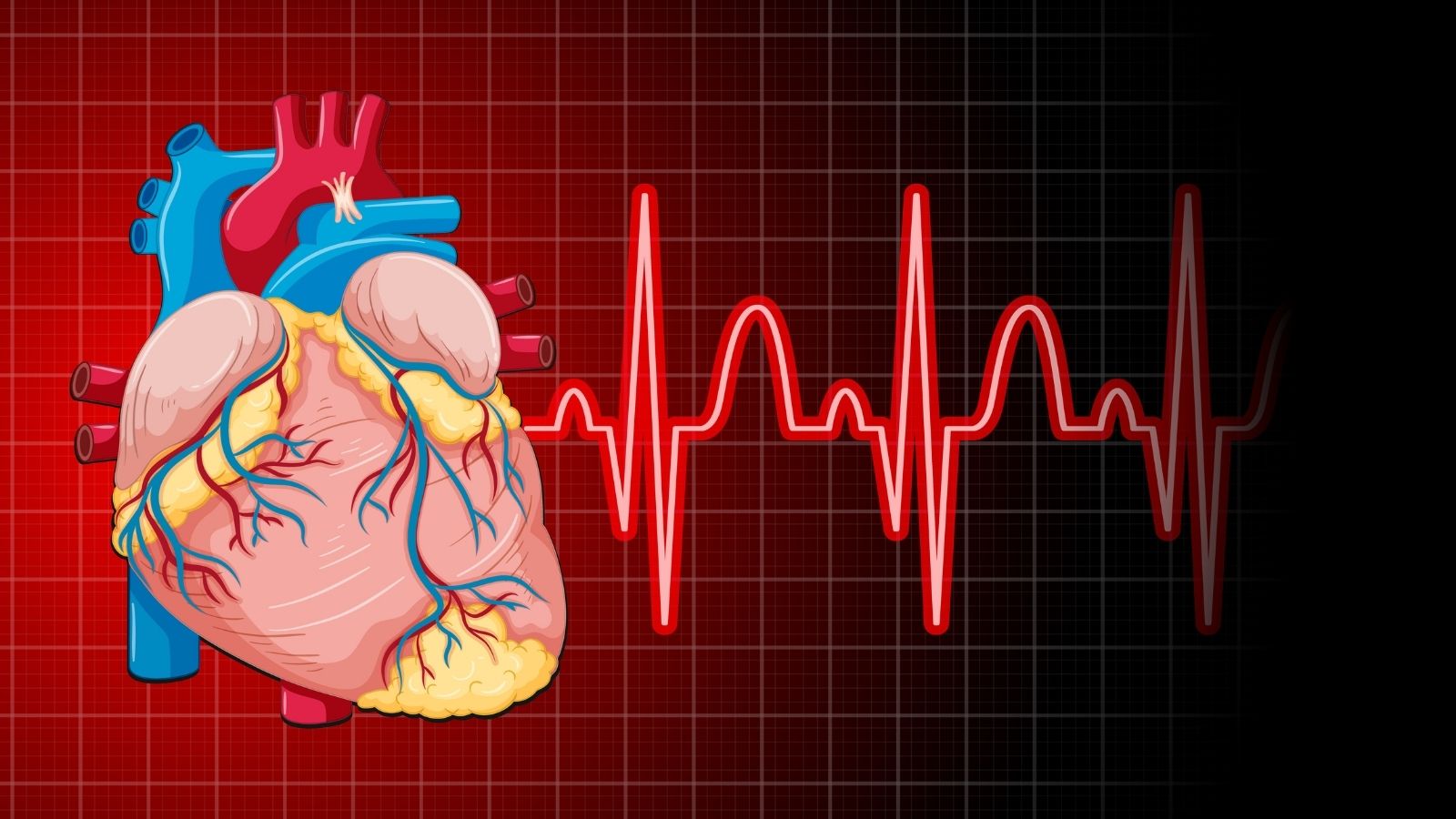
In a healthy person, the heart beats on average between sixty and one hundred times per minute. These beats are controlled by electrical impulses originating from the sinus node, located in the upper right corner of the heart and functioning like a natural generator. These electrical impulses spread through the chambers of the heart in a specific order, enabling contraction and the pumping of blood. When the system works perfectly, you do not feel anything. However, when there is a disruption in this electrical order, when impulses originate not from where they should but from another point, or when unexpected short circuits occur in the cable network inside the heart, the contraction pattern of the heart changes. The beats may become much faster than normal, irregular, or unusually forceful. This is how we define the condition in which a person feels their own heartbeats strongly and uncomfortably in the chest, throat, or neck. Patients usually describe this condition as skipped beats, fluttering, a racing sensation, or a feeling of emptiness in the chest. This sensation itself may be a completely harmless physiological response, or it may be the most important warning sign of an underlying electrical rhythm disorder that must be treated.
What Causes Palpitations and Which Heart Problems Lead to Them?
Disruptions in the anatomical structure of the heart or in its electrical communication network are among the most fundamental sources of this problem. Conditions that have previously damaged the heart muscle, such as a past heart attack, leave scar tissue in the heart tissue. These damaged tissues prepare the ground for short circuits that rotate around themselves by changing the direction of the normal electrical current in the heart or trapping the current. In addition, conditions such as leaks or narrowing in the heart valves, congenital differences in the structure of the heart, or weakening and enlargement of the heart muscle over time also disrupt the electrical balance.
Some important rhythm problems encountered when electrical disorders are involved are as follows:
- Sinus tachycardia
- Supraventricular tachycardia
- Atrial fibrillation
- Atrial flutter
- Ventricular tachycardia
- Ventricular fibrillation
Each of these disorders originates from a different part of the heart. For example, the presence of an extra electrical cable between the upper chambers of the heart, which we call the atria, and the lower chambers, which we call the ventricles, causes the current to continuously rotate rapidly through this cable and leads to sudden-onset very rapid beats. On the other hand, problems originating from the lower chambers of the heart and capable of completely disrupting the blood-pumping function have the potential to create a life-threatening situation.
Which Other Diseases in the Body Trigger Palpitations?
Sometimes, even if the heart’s own structure is completely healthy and its electrical pathways are flawless, problems elsewhere in the body may strain the heart. The heart is one of the organs that reacts fastest to systemic imbalances in the body. When something goes wrong in one part of the body, the heart begins to work harder to compensate for this deficit or adapt to the situation.
Systemic conditions that accelerate the heart and affect its rhythm are as follows:
- Hyperthyroidism
- Anemia
- High fever
- Severe infections
- Electrolyte imbalances
- Hypoglycemia
For example, when the thyroid gland is overactive, more thyroid hormone than necessary is released into the blood. These hormones work like an accelerator pedal that increases the body’s metabolic rate. As a result, the person feels their heart beating very fast even while sitting still. Similarly, in anemia, where the number of red blood cells that carry oxygen to tissues decreases, the heart has to work faster and increase blood circulation so that body tissues do not remain without oxygen. Deficiency of minerals such as potassium and magnesium, which provide the electrical charge of heart cells in the blood, causes skipped beats in the heart, which we call premature beats.
How Effective Are Stress, Anxiety, and Lifestyle on Palpitations?
The fast pace of modern life, intense stress, anxiety disorders, and panic attacks constitute a very large portion of emergency department visits. At the moment of stress or panic, the body perceives danger and activates the “fight or flight” response, which is a survival mechanism. During this process, a very high amount of adrenaline is pumped into the blood from the adrenal glands. Adrenaline increases not only the heart rate but also the contraction strength of the heart incredibly. This creates in the person the feeling that their heart will break through the rib cage and come out. Habits in our lifestyle that may seem minor but create enormous effects as they accumulate also feed this process. Insomnia, intense caffeine consumption, nicotine and alcohol use increase the electrical excitability of the heart muscle to its peak. Restricting only these external factors may even cause complaints to stop abruptly in many people.
Palpitations Seen Together with Which Symptoms Are Signs of an Emergency?
Not every rapid beat or skipped beat carries a life-threatening danger, of course. Sometimes they may be simple rhythm deviations caused by fatigue or excessive coffee consumption. However, there are some accompanying symptoms that are very important warning signs showing that the condition is not harmless and that urgent medical intervention is required.
Symptoms that must be taken seriously and require going to the emergency department without wasting time are as follows:
- Fainting
- Presyncope
- Severe chest pain
- Feeling of pressure in the chest
- Sudden shortness of breath
- Cold sweating
- Confusion
If darkening of vision, dizziness, or complete loss of consciousness occurs during attacks, this is a clear indicator that the heart cannot supply enough blood to the brain and is usually a sign of serious rhythm disorders. Pain or burning felt in the chest indicates that the increased oxygen demand of the rapidly working heart muscle cannot be met, in other words, that oxygen deprivation is occurring, and this condition may trigger a heart attack. Shortness of breath caused by blood pressure dropping to dangerous levels and fluid accumulation in the lungs is also a red flag that must be taken seriously.
Which Methods Do Doctors Use to Diagnose Palpitations?
The first step in a patient presenting to the clinic is always to listen to the patient very carefully. When the complaint started, whether it developed suddenly or gradually, how long it lasted, and how it ended are the most valuable clues on the way to diagnosis. For example, complaints that start suddenly as if a button has been pressed and stop just as suddenly point to extra short-circuit cables in the heart, while completely irregular and chaotic beats suggest electrical storms in the atria. After the physical examination, technological tools are used to map the electrical activity of the heart. A standard ECG performed in the hospital takes an electrical snapshot of the heart at that moment. However, if the complaints are temporary and everything is normal at that time, longer-term recordings are needed. Rhythm Holter devices, placed on the patient’s chest and recording the heart continuously for 24 hours, 48 hours, or longer while the patient continues daily life, come into play. For less frequent attacks, event recorders that can be used for weeks or tiny devices placed under the skin also allow us to detect hidden problems.
How Important Are the Patient’s Own Observations in the Diagnosis of Palpitations?
In the diagnostic process, the patient’s awareness of their own body and the notes they keep are as invaluable as the devices. Especially while the Holter device is attached, we ask the patient to keep a diary and note the exact minute when they feel the complaint. This correlation is extremely valuable. The patient writes the time they felt the complaint in the diary, and when we examine the recordings from that time, if the ECG is completely normal, we can safely say that the problem is not caused by an electrical disorder of the heart but by a completely different condition, such as a psychological panic state or muscle spasm. Likewise, knowing whether the patient experiences this problem during exertion, after meals, or while resting is the most important guide that leads us to the correct diagnosis.
Why Is Electrophysiological Study (EPS) Important in the Diagnosis of Palpitations?
In patients whose exact cause cannot be understood with externally performed ECG, Holter, or exercise tests, or in patients for whom it has been decided to identify the exact source of the problem and treat it permanently, Electrophysiological Study, briefly EPS, which is the gold standard method of modern medicine, comes into play. EPS is the process of reaching the electrical system directly inside the heart and mapping the problem at its source instead of looking from the outside. This procedure is performed in completely sterile catheter laboratories equipped with advanced technology, by giving the patient a mild sedative and local anesthesia, without causing any pain or discomfort. Very thin, flexible, and steerable wires are advanced to the heart through the veins in the groin. These wires are placed in the atria, ventricles, and main conduction pathways of the heart with millimetric precision. With signals taken from inside, the normal conduction speeds of the heart are measured, and then controlled small electrical impulses are given to safely recreate in the laboratory environment the condition that the patient has always complained about. In this way, it is definitively determined where in the heart the problem is located and whether it is a focus burst or a short circuit.
Does the Catheter Ablation Method Provide a Definitive Solution for Palpitations?
In the past, our only option in the treatment of rhythm disorders was to condemn the patient to medications that had to be used for life and sometimes had side effects. However, today, thanks to interventional approaches, we have a very effective treatment method that frees patients from this constant need for medication and provides complete recovery. This method is called catheter ablation. Ablation literally means to remove, to eliminate. Immediately after the focus causing the problem or the short-circuit cable carrying extra electricity is detected with the EPS procedure, that area is rendered ineffective at the cellular level in the same session. Without causing any harm to the healthy tissues of the heart, only that diseased area of a few millimeters that causes the arrhythmia is isolated. Especially in cases such as the presence of an extra cable in the heart, the success rate of ablation is so high that after the patient is discharged from the hospital, they do not experience the same problem again and can completely remove existing rhythm medications from their life.
How Is Hot or Cold Ablation Applied in the Treatment of Palpitations?
We basically use two different energy sources to deactivate the problematic area. Which method will be safer is decided during the procedure according to the type of problem and its location in the heart.
The main ablation methods applied are as follows:
- Radiofrequency energy application
- Cryoablation procedure
In radiofrequency, that is hot ablation, high-frequency radio waves are transmitted from the tip of the catheter to the heart tissue. These waves create friction energy in the tissue and produce a small, millimetric, and very controlled heat. Thanks to this heat, the structure of the cells producing the arrhythmia is disrupted and their electrical conductivity is permanently eliminated. In cryoablation, that is cold ablation, the logic is exactly the opposite. The problematic tissue is frozen down to minus fifty or minus seventy degrees and rendered ineffective. The best aspect of cold ablation is that the tissue can be tested by slightly cooling it before the freezing process becomes permanent. If the procedure is very close to the main electrical cables of the heart and an unwanted block occurs during cooling, the procedure is stopped and the tissue returns to its previous healthy state within seconds. This feature makes the procedure extremely safe.
What Should Be Done at Home During Sudden-Onset Palpitations?
It may not always be possible to go to the hospital or receive medical help immediately. Especially during regular and very rapid attacks, there are very simple but also lifesaving methods that the patient can apply on their own at home, in the office, or on the street. Our body has a natural braking mechanism called the parasympathetic nervous system, which slows the heart rate. It is possible to stop complaints instantly by stimulating the Vagus nerve, which is the main control of this system.
Vagal maneuvers applied for this purpose are as follows:
- Taking a deep breath and bearing down
- Splashing ice-cold water on the face
- Stimulating the gag reflex
- Coughing deeply and repeatedly
- Lying on the back and raising the legs
In the method we call the Valsalva maneuver, after taking a deep breath, you need to close your mouth and nose and strongly tighten your rib cage as if you were trying to inflate a blocked balloon. This procedure strongly stimulates the Vagus nerve by increasing the pressure inside the chest. To increase the effect even more, lying on your back and raising your legs immediately after the bearing-down action significantly increases the chance of success of this maneuver by increasing the amount of blood returning to the heart. In addition, suddenly splashing cold water on the face tricks the brain by triggering the body’s diving reflex and immediately slows the heart to conserve oxygen.
Is Medication Therapy Sufficient in Controlling Palpitations?
In emergencies where the physical maneuvers mentioned above do not work or in patients who cannot undergo ablation, medication therapy is our most important weapon. Some very fast-acting drugs given intravenously to patients who present to the emergency department and whose rhythm cannot be stopped temporarily block the electrical conduction of the heart completely for only a few seconds, almost restarting the system and restoring the rhythm to normal. In long-term treatment, medications in pill form are used to prevent excessive acceleration of the heart and to keep the rhythm regular by changing the electrical charge of cells. However, these medications do not physically eliminate the source of the problem, that is, the short-circuit cable or defective tissue in the heart; they only suppress it. Moreover, as a result of long-term use of many of them, some unwanted side effects may occur on other organs of the body. Therefore, when there is a chance for a permanent solution, not condemning the patient to years of medication is the priority of interventional methods.
Why Does Palpitation Caused by Atrial Fibrillation Carry a Risk of Stroke?
Atrial Fibrillation, one of the rhythm disorders we encounter most frequently in the clinic and focus on the most, is not only a disturbing complaint but also a disease that may have very serious consequences. During this disease, the upper chambers of the heart cannot contract regularly and fully pump the blood inside them downward. Instead, because of chaotic electrical signals, they only quiver. Since the contraction is not complete, blood flow becomes stagnant and almost pools in the small blind pouch-like sections in the left atrium of the heart. The most important feature of stagnant blood is that it tends to clot. When a clot that forms there over time breaks loose, it enters the bloodstream and travels to various parts of the body, most commonly to the vessels feeding the brain, causing a blockage. This blockage results in a stroke. Therefore, the main goal in managing this disease is not only to restore the heart to its normal rhythm, but also to completely eliminate this deadly clot risk with blood-thinning treatments.
How Does Diet Affect Palpitation Complaints?
The success of medical interventions and interventional procedures is directly linked to the positive changes the patient makes in their own lifestyle and eating habits. The heart muscle’s need for certain minerals is vital for it to function in a balanced way at the cellular level. Especially potassium and magnesium are minerals that allow heart cells to relax after contraction and prepare healthily for the next electrical impulse. Deficiency of these minerals makes cells more sensitive and irritable, which invites irregular beats.
Mineral-rich foods that should be included abundantly in the nutrition plan are as follows:
- Banana
- Apricot
- Avocado
- Spinach
- Broccoli
- Yogurt
- Pumpkin seeds
Regular consumption of these foods strengthens the electrical armor of the heart. In addition, limiting salt consumption for blood pressure control is one of the most correct steps to prevent the heart muscle from thickening over time and its electrical balance from being disrupted.
Which Foods Should People Experiencing Palpitations Strictly Avoid?
As much as the foods that should be consumed, there are also triggers that we need to completely remove from our lives or reduce very significantly. Some substances directly stimulate the foci in the heart muscle and cause them to fire unnecessarily.
The list of main triggers to avoid is as follows:
- Strongly brewed tea
- Strong coffee
- Energy drinks
- Alcohol
- Ready-made foods containing excessive sodium
- Cigarettes
Caffeine is the most common trigger that causes the heart to beat faster and sometimes more irregularly because it directly stimulates the nervous system. Countless cups of coffee or tea consumed during the day may be the main culprit behind the skipped beat sensation you feel when you lie down in the evening. Alcohol, on the other hand, is a substance that may create a direct toxic effect on the heart muscle and very frequently triggers rhythm problems originating from the atria. The vasoconstrictive and heart-straining effect of nicotine in cigarettes also makes these complaints inevitable.
Which Exercises Are Safer for Patients with Palpitations?
Exercise is the most natural way to strengthen our heart, but in individuals with rhythm problems, the intensity and type of exertion are very important. Activities such as lifting excessive weights, strenuous movements performed while holding the breath, or suddenly sprinting may suddenly increase intrathoracic pressure and adrenaline, stimulating problematic foci in the heart. Instead, controlled and sustainable exercises in which the pulse rises gradually should be preferred.
Safe types of exercise that support heart health are as follows:
- Brisk outdoor walks
- Freestyle swimming
- Stationary cycling
- Yoga
- Meditation and stretching movements
- Light-paced Pilates
These regular moderate-intensity exercises both increase the oxygen utilization capacity of the heart muscle and prevent stress-related excessive acceleration by balancing the autonomic nervous system. Of course, individuals with an underlying structural heart disease must absolutely obtain approval from their own doctors before starting any exercise program and must remain within the determined heart rate ranges.

Prof. Dr. Kadriye Orta Kılıçkesmez is one of the leading figures in the field of Turkish cardiology. She was born on January 24, 1974, in Tekirdağ. After completing her undergraduate education at Istanbul University Cerrahpaşa Faculty of Medicine, she chose cardiology as her specialty and received her specialist training at the Cardiology Institute of the same university. In 2015, she was appointed by the university to establish the Şişli Etfal cardiology clinic and Angio laboratory. Becoming a professor in 2017, Kadriye Kılıçkesmez established the cardiology clinic and Angio laboratory of Prof. Dr. Cemil Taşçı Hospital in 2020 and ensured that the clinic became a training clinic.