
 Türkçe
 Français
 Deutsch
 Italiano
 Español
 العربية
 Русский
TriClip is an advanced transcatheter valve repair method applied without opening the chest in cases of severe tricuspid valve regurgitation that do not respond to medical therapy, and it works with the “clipping” technique. In this minimally invasive procedure, which reaches the right side of the heart by entering through the groin, the valve leaflets that cannot close completely are fastened to each other with the help of a special clip, mechanically preventing blood from flowing backward. Preferred especially in high-risk patients who cannot tolerate open-heart surgery, this treatment aims to effectively eliminate symptoms such as leg edema, abdominal swelling, and shortness of breath due to right heart failure, without the need to stop the heart and by shortening the recovery process.

Prof. Dr. Kadriye Kılıçkesmez
Cardiology, Interventional Cardiologist – Interventional Cardiologist
Prof. Dr. Kadriye Orta Kılıçkesmez is one of the leading names in the field of Turkish cardiology. She was born on January 24, 1974, in Tekirdağ. After completing her undergraduate education at Istanbul University Cerrahpaşa Faculty of Medicine, she chose cardiology as her specialty and received her specialist training at the Cardiology Institute of the same university.
After working for a short period at Çorlu State Hospital and Turkish Kidney Foundation Service Hospital, she returned to the I.U. Cardiology Institute. Continuing her academic career there, Kadriye Kılıçkesmez became an associate professor in 2012. She then worked at Royal Brompton on complex coronary interventions, CTO intracoronary imaging, and structural heart diseases, and wrote scientific articles. In 2015, she was appointed by the university to establish the Şişli Etfal cardiology clinic and Angio laboratory. Becoming a professor in 2017, Kadriye Kılıçkesmez established the cardiology clinic and Angio laboratory of Prof. Dr. Cemil Taşçıoğlu Hospital in 2020 and ensured that the clinic became a training clinic.
View MoreWhat Is TriClip (Non-Surgical Treatment for Tricuspid Valve Regurgitation)?
TriClip is a minimally invasive procedure that enables tricuspid valve regurgitation to be treated with a catheter-based method without requiring open-heart surgery. With a system advanced through the femoral vein, the valve leaflets are brought closer together to reduce backflow. It is especially preferred in patients with high surgical risk. The procedure is performed under echocardiography and fluoroscopy guidance, and the length of hospital stay is generally short.
What Is the Anatomy of the Tricuspid Valve and What Is Its Function in the Body?
To understand how the heart works, we can compare it to a four-room house. The door between the upper room and the lower room on the right side of this house is called the tricuspid valve. This valve is a one-way passage point that controls the flow of oxygen-depleted blood collected from the body from the right atrium to the right ventricle. In a healthy individual, this valve opens while blood fills the right ventricle, and closes tightly when the ventricle contracts and pumps blood to the lungs. This closing mechanism is of vital importance because it prevents blood from leaking backward, that is, in the direction it came from.
The main reason the valve is called “tricuspid” is that it consists of three leaflets. These three leaflets, called anterior (front), posterior (back), and septal (wall side), are attached to muscles in the heart wall with thin cords resembling parachute strings. With each heartbeat, these leaflets move in perfect synchronization. This valve is one of the most critical gears in the cycle of sending blood to the lungs for oxygenation and then distributing it back to the body. However, deterioration of this valve structure or failure to close completely brings along chain health problems that affect the entire circulatory system.
Why Does Tricuspid Valve Regurgitation Occur and How Does It Affect the Heart?
Tricuspid valve regurgitation is the condition in which the valve leaflets cannot touch each other when the heart contracts and a gap remains between them. Because of this gap, some of the blood that should go to the lungs leaks backward into the right atrium. This condition, known in medical terms as “regurgitation,” leads to increased pressure on the right side of the heart and, over time, enlargement of the heart.
When we look at the causes of this disease, we see that the problem generally originates from other regions of the heart rather than the valve itself. In the vast majority of cases, a condition we call “functional” is present. That is, the valve leaflets are actually intact, but the frame on which the valve sits (annulus) has enlarged. Conditions such as valve diseases on the left side of the heart, rhythm disorders, or heart failure enlarge the heart. As the heart enlarges, the valve frame also expands, and the length of the leaflets is not sufficient to cover this enlarged area. As a result, the door wings cannot reach each other and a constantly open hole forms in the middle.
In addition, there are less common conditions referred to as “primary” causes. These are diseases that directly disrupt the structure of the valve. For example, damage to the valve by pacemaker leads, previous heart infections (endocarditis), rheumatic fever, or some congenital anomalies can lead to valve deterioration. Regardless of the cause, the outcome does not change: blood flows in the wrong direction and the body’s fluid balance is disrupted.
Conditions that predispose to tricuspid valve regurgitation include:
- Left heart failure
- Mitral valve diseases
- Aortic valve diseases
- Atrial fibrillation
- Pulmonary hypertension
- Pacemaker leads
- Ebstein anomaly
- Rheumatic heart disease
- Carcinoid syndrome
- Endocarditis
What Symptoms Are Seen in Patients with Tricuspid Valve Regurgitation?
The disease usually starts insidiously and may not cause symptoms for a long time. However, as the amount of leakage increases and the right heart begins to strain, a picture of “right heart failure,” characterized by fluid accumulation in the body, begins to develop. The most common complaint of patients is swelling in their bodies and a persistent feeling of fatigue. Because blood cannot be pumped forward strongly enough from the right side of the heart, it begins to pool behind. This pooling first appears in the feet and legs due to the effect of gravity.
Over time, this fluid accumulation can progress as far as the abdominal cavity. The inability of blood to drain from the liver and intestinal vessels causes severe indigestion, bloating, and loss of appetite in patients. Even if the patient eats very little, they feel a great sense of fullness in the stomach. In addition, the heart’s inability to send sufficient blood to the lungs to be cleansed causes the body to become deprived of oxygen and reduces exercise capacity. Even doing a simple household task or walking a short distance can leave the patient out of breath.
Common complaints in patients include:
- Ankle swelling
- Edema in the legs
- Abdominal swelling
- Easy fatigue
- Weakness
- Shortness of breath
- Prominent neck veins
- Indigestion
- Loss of appetite
- Palpitations
- Frequent urination at night
What Is the TriClip Device and How Does It Technically Work?
TriClip is essentially an adaptation of a technology proven successful in mitral valve treatment to the unique and thinner structure of the tricuspid valve. To understand how the device works, we can use a simple “clothespin” or “paper clip” analogy. If a shirt button has come off and the collar keeps staying open, when you bring the two sides together and fasten them with a small clip, the opening closes. TriClip works on this logic.
Interventional cardiologists place this millimetric device, delivered to the heart through the vessels, onto the area of the valve where the leakage is greatest. The arms of the device grasp the two leaking leaflets (for example, the anterior and septal leaflets) and bring them closer together. As a result of this process, whereas there used to be a single large leak orifice, now two much smaller orifices remain on the right and left sides of the clip. This new structure allows blood to pass into the ventricle while largely preventing it from leaking backward.
Because tricuspid valve leaflets are very thin and mobile, it is difficult to capture them at the same time. New systems, thanks to the “independent grasping” feature, allow the physician to first grasp and secure one leaflet, and then hold the other leaflet in an appropriate position. This feature is one of the most important factors that increase the success and safety of the procedure.
Contact us to get information about treatments and to schedule an appointment!
Why Is TriClip Needed When Open-Heart Surgery Exists?
The tricuspid valve has long been described as the “forgotten valve” in medical history. One reason for this is that open-heart surgeries performed solely for the tricuspid valve are risky. Most patients are in an advanced age group or have had previous cardiac surgeries. In addition, opening the chest, stopping the heart, and connecting the patient to a heart-lung machine in a patient with impaired liver and kidney function can make the recovery process very difficult and create life-threatening risk.
The TriClip method falls into the category we call “minimally invasive,” which disrupts body integrity the least. In this procedure, no scalpel is used, the breastbone is not cut, and most importantly, the heart is not stopped. The procedure is performed by entering through the femoral vein in the groin while the patient’s heart continues to work in its normal rhythm. This approach has become a new door of hope for patients with very high surgical risk or those who are said to be “inoperable.” Patients are given the opportunity to have valve leaks repaired through a vascular intervention without experiencing the trauma of a major surgery.
Who Is the Ideal Patient Profile for the TriClip Procedure?
Not every patient with tricuspid regurgitation may be suitable for this procedure. Meticulous patient selection is essential to achieve a successful outcome. Generally, this decision is made for patients evaluated by the “Heart Team” (a council consisting of cardiologists, cardiac surgeons, and imaging specialists). Patients whose symptoms do not regress despite medical therapy, who have persistent edema, and whose quality of life has declined are priority candidates.
However, anatomical suitability is at least as important as the clinical situation. A very large gap between the valve leaflets, very short leaflets, or intense calcification on the valve can make it difficult for the clip to attach. In addition, the patient’s right heart function must not be completely exhausted. If the right ventricle muscle has weakened to the point where it can no longer contract at all, repairing the valve may not provide the expected benefit.
Suitable patient criteria include:
- Severe valve regurgitation
- High surgical risk
- Symptomatic condition
- Resistance to medical therapy
- Suitable anatomical structure
- Preserved right heart function
- Reasonable life expectancy
How Does the Pre-Procedure Preparation and Imaging Process Work?
The most critical test performed before deciding on the TriClip procedure is cardiac ultrasound performed through the esophagus (Transesophageal Echocardiography – TEE). Although the tricuspid valve is located toward the front of the chest wall, to see its detailed structure it is necessary to look from behind, namely through the esophagus. During this procedure, the patient is given a mild sedative and the ultrasound probe is swallowed.
Thanks to this imaging method, a three-dimensional map of the valve is created. Where the leak originates from, the mobility of the leaflets, and where the clip will be placed are planned with millimetric precision. In some cases where image quality is insufficient, a special ultrasound probe placed inside the heart by entering through the groin (ICE – Intracardiac Echocardiography) may also be used. In addition, comprehensive blood tests are performed to assess the patient’s general health status and kidney and liver functions.
How Is the TriClip Procedure Performed Step by Step?
The procedure is performed in an angiography laboratory where full sterile conditions are ensured. For patient comfort and due to the sensitivity of the procedure, general anesthesia is usually preferred, so the patient sleeps throughout the procedure and feels no pain.
The first step of the operation is entering the femoral vein in the right groin area under ultrasound guidance. Through a small sheath placed here, the special steerable catheter to be used for the procedure is advanced toward the heart. When the tip of the catheter reaches the right atrium, the main device (TriClip) is brought over the valve under the guidance of live images from the ultrasound probe in the esophagus. This stage is like a pilot landing a plane on the runway; the physician uses the control handle to align the device so that it comes perfectly perpendicular to the leaking portion of the valve.
After alignment is completed, the arms of the device are opened and advanced toward the right ventricle. Then, as the device is slowly pulled back, the valve leaflets are captured with the help of grasping needles called “grippers.” After the physician confirms on the ultrasound screen that the leaflets are securely held, the clip is closed. At this stage, an immediate check is performed: Has the leak decreased? Is the valve area sufficient? If the result is satisfactory, the clip is released and remains there permanently. In some “torrential” leaks, a single clip may not be sufficient; in that case, a second or third clip can be implanted in the same session. Finally, the catheter is removed from the body and the procedure is concluded by placing a small stitch at the groin entry site.
Contact us to get information about treatments and to schedule an appointment!
What Is the Recovery Process Like, and When Are Patients Discharged?
One of the most distinct advantages of the TriClip procedure is that patients recover very quickly. Since the chest is not opened, there is no long and painful process such as bone healing. Patients are awakened immediately after the procedure. They usually spend the first night in intensive care or a special observation room as a precaution.
After 4 to 6 hours, once bleeding control of the groin area has been performed, the patient is allowed to stand up and walk. If everything is fine in the checks performed the next day, the patient can be discharged and sent home. After returning home, patients are generally able to perform their daily tasks within a few days. Provided they do not lift heavy objects and do not strain the groin area, they can quickly return to normal life.
Which Medications Are Used After the Procedure and What Should Be Considered?
Since a foreign body (clip) is implanted in the body, the use of blood thinners is of great importance in the post-procedure period. These medications are necessary to prevent clot formation on the clip and to safely complete the process of the device being covered by body tissue and integrating (endothelialization). If the patient has a rhythm disorder and is already using blood thinners, the same medication is generally continued. In patients without a rhythm disorder, aspirin and similar vessel-protective medications are given for a certain period (usually 1–3 months).
In addition, protective measures called “endocarditis prophylaxis” should be taken against infection risk. If a tooth extraction or a surgical procedure will be performed within the first 6 months after the procedure, prophylactic antibiotics must be used beforehand. Continuing a low-salt diet, monitoring daily weight, and adhering to the doses of diuretic medications recommended by the physician are critical for the long-term success of the treatment.
Things to pay attention to after the procedure are:
- Regular medication use
- Salt restriction
- Daily weight monitoring
- Wound site hygiene
- Dental hygiene
- Regular walking
- Adequate fluid intake (under doctor supervision)
What Do the TRILUMINATE Trial and Clinical Results Tell Us?
The effectiveness of the TriClip system has been proven by a comprehensive scientific study called TRILUMINATE, which has attracted worldwide attention. This study compared patients who received only medical therapy with patients who underwent TriClip. The results are quite striking. A much more pronounced improvement in the quality of life was observed in patients who underwent TriClip compared to the medical therapy group.
According to the study data, one year after the procedure, valve regurgitation decreased to “moderate” or milder levels in 87% of patients. This rate is around 5% in the group receiving only medical therapy. More importantly, a significant reduction was achieved in hospitalization rates due to heart failure. Patients state that they can breathe more comfortably, walk longer distances, and return to their social lives. These results show that TriClip is not merely a cosmetic correction, but provides tangible benefits that directly affect the patient’s life.
What Are the Possible Complications and Risks?
As with every medical intervention, there are some risks in the TriClip procedure, but these are quite low compared to open surgery. The most common issue is bleeding or bruising in the vessel at the groin access site. This is usually resolved with simple pressure techniques or minor interventions.
Rarer technical complications include the condition called “Single Leaflet Device Attachment” (SLDA). This means that the clip releases one of the leaflets it has grasped. In such a case, stabilization of the valve is usually achieved by placing a second clip. Another risk is creating stenosis by over-tightening while trying to repair the valve. However, since continuous pressure measurements are performed during the procedure, this risk has been minimized. Very rarely, situations such as device dislodgement or vascular injury may be seen. However, in experienced hands and well-equipped centers, the success rate of this procedure is above 95%.
Frequently Asked Questions
How Is Tricuspid Regurgitation Treated?
Treatment is planned according to the severity of regurgitation and the underlying cause. In mild cases, medical therapy and regular follow-up may be sufficient. In advanced cases, valve repair or valve replacement surgery may be required.
Is Tricuspid Regurgitation Dangerous?
Mild tricuspid regurgitation usually does not cause serious problems. However, in advanced cases, heart failure, liver enlargement, and swelling in the legs may develop. Therefore, regular cardiology follow-up is recommended.
What Are the Degrees of Tricuspid Regurgitation?
Tricuspid regurgitation is classified as mild, moderate, and severe. Grading is based on the amount of blood leaking backward through the valve and is important in determining the treatment plan.
What Is Tricuspid Valve Replacement?
Tricuspid valve replacement is the replacement of the damaged valve with a biological or mechanical prosthesis in cases of severe regurgitation. It can usually be performed together with other heart surgeries.
What Are the Risks of Tricuspid Valve Surgery?
Surgical risks include bleeding, infection, rhythm disorders, and anesthesia-related complications. The risk rate is low in experienced centers but may vary depending on patient characteristics.
Latest Articles
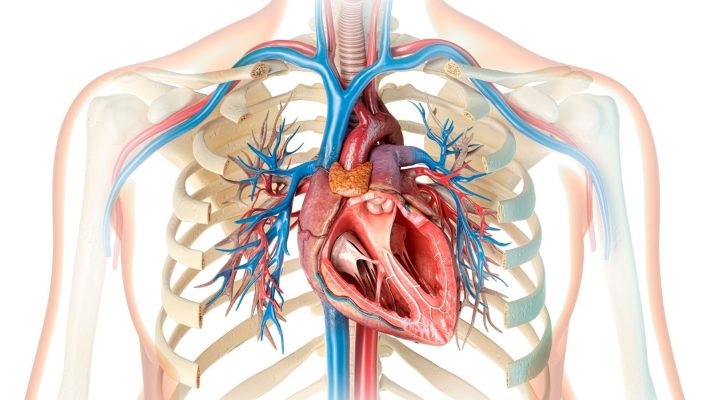
Aortic Valve Insufficiency: Symptoms, Stages, and Treatment
Girişimsel Kardiyoloji | Prof. Dr. Kadriye Kılıçkesmez » General » Aortic [...]
Read More ➜
29
Apr
Apr
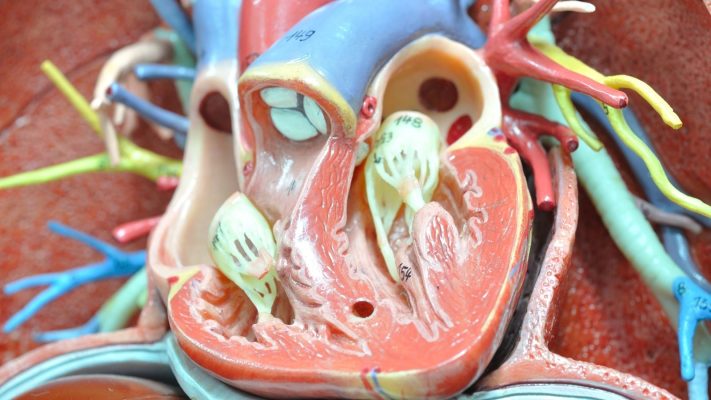
What Is Aortic Valve Regurgitation? Symptoms and Treatment
Girişimsel Kardiyoloji | Prof. Dr. Kadriye Kılıçkesmez » General » What [...]
Read More ➜
29
Apr
Apr
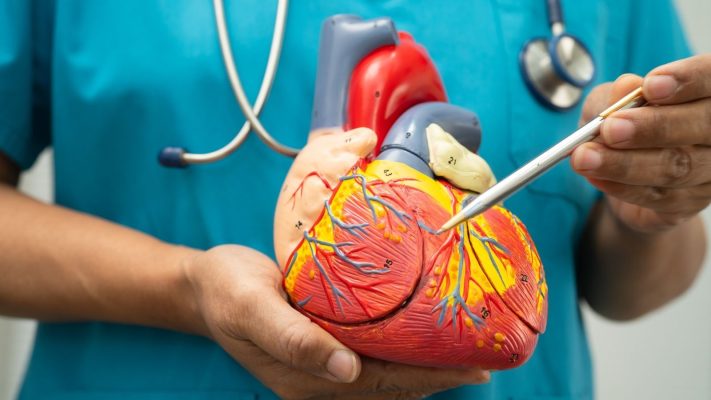
What Is a Heart Valve? Heart Valve Diseases, Symptoms, and Treatments
Girişimsel Kardiyoloji | Prof. Dr. Kadriye Kılıçkesmez » General » What [...]
Read More ➜
29
Apr
Apr
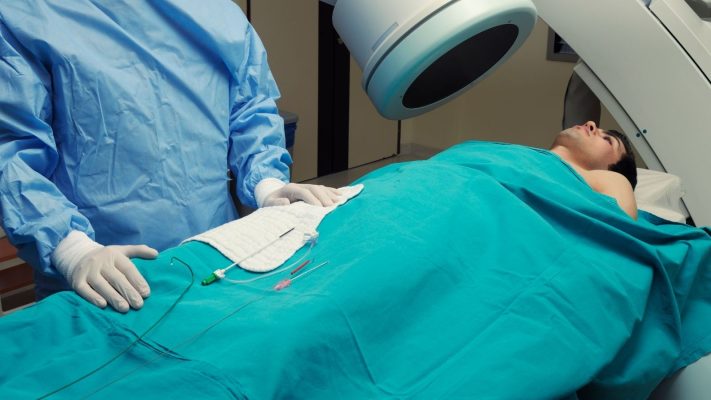
What Is Angiography? How Is It Performed and What Are the Risks?
Girişimsel Kardiyoloji | Prof. Dr. Kadriye Kılıçkesmez » General » What [...]
Read More ➜
29
Apr
Apr

What Is Rheumatic Heart Disease? Symptoms and Treatment
Girişimsel Kardiyoloji | Prof. Dr. Kadriye Kılıçkesmez » General » What [...]
Read More ➜
29
Apr
Apr
What Is Coronary Artery Disease? Symptoms, Causes, and Treatments
Girişimsel Kardiyoloji | Prof. Dr. Kadriye Kılıçkesmez » General » What [...]
Read More ➜
29
Apr
Apr
What Is Cardiovascular Blockage? Symptoms and Treatment
Girişimsel Kardiyoloji | Prof. Dr. Kadriye Kılıçkesmez » General » What [...]
Read More ➜
29
Apr
Apr
What Is Heart Failure? Symptoms and Treatment of Heart Failure
Girişimsel Kardiyoloji | Prof. Dr. Kadriye Kılıçkesmez » General » What [...]
Read More ➜
29
Apr
Apr