Türkçe
 Français
 Deutsch
 Italiano
 Español
Cold feet is a condition that mostly occurs due to insufficient blood circulation, nervous system disorders, or metabolic diseases. In particular, peripheral vascular diseases, anemia, hypotension, and thyroid dysfunctions may cause a constant feeling of coldness in the feet.
Persistent cold feet is closely associated with peripheral artery disease and circulatory disorders. Narrowing of the vessels or slowing of blood flow prevents sufficient heat from reaching the tissues. This condition is more common especially in people with risk factors such as smoking, diabetes, and high cholesterol.
Cold feet that increase at night may be linked to iron deficiency anemia and insufficient functioning of thyroid hormones. Slowing of metabolism makes it difficult to preserve body temperature. In this process, since the feet are the farthest parts of the body, the feeling of coldness becomes more pronounced.
Cold feet that do not go away in cold weather may be an early sign of conditions such as nerve conduction disorders and diabetic neuropathy. Damage to the nerves causes changes in temperature perception and leads to a constant feeling of coldness. Symptoms that continue for a long time require medical evaluation.
| What You Need to Know | Information |
| What is cold feet? | It is the condition of feeling more coldness than normal in the feet; sometimes the feet may constantly feel cold despite the ambient temperature. |
| Physiological causes | Exposure to cold weather, remaining inactive for a long time, and tight shoes may temporarily slow circulation. |
| Circulatory disorders | Peripheral artery disease causes insufficient blood flow to the feet and may create a feeling of coldness. |
| Diabetes | Nerve damage may occur due to diabetic neuropathy; this may cause coldness, tingling, or numbness in the feet. |
| Anemia | A low number of red blood cells that carry oxygen in the body may cause a feeling of coldness in the feet. |
| Hypothyroidism | Underactivity of the thyroid gland slows metabolism; this may cause symptoms such as coldness in the feet and fatigue. |
| Raynaud’s disease | Vessel spasm occurs in the fingers and toes in cold or under stress; this causes coldness and color changes in the feet and hands. |
| Vitamin B12 deficiency | B12 deficiency, which affects the nervous system, may lead to tingling, numbness, and a feeling of coldness in the feet. |
| Nerve compression | Conditions such as a herniated disc may affect the nerves going to the feet and create a feeling of coldness. |
| Smoking | It negatively affects circulation by narrowing the vessels; this may cause a chronic feeling of coldness in the feet. |
| Old age | As age advances, vascular elasticity and nerve conduction decrease; this may contribute to cold feet. |
| Which diseases can it be a symptom of? | Peripheral artery disease, diabetes, hypothyroidism, anemia, Raynaud’s phenomenon, B12 deficiency, nerve diseases. |
| When should a doctor be consulted? | If there are symptoms such as constant coldness in the feet, numbness, color change, delayed wound healing, and pain while walking, medical evaluation is required. |
| Diagnostic methods | Physical examination, blood tests (thyroid, B12, hemoglobin), Doppler ultrasound, EMG (nerve conduction test). |
| Treatment approaches | Treatment of the underlying disease, lifestyle changes, vitamin supplements, medications that increase circulation, or physical therapy may be required. |
Main Causes of Cold Feet
Understanding the main causes of cold feet is the first step in solving this problem. The body’s responses to external factors, circulatory system health, and general metabolism directly affect the temperature of the feet.
- Low Ambient Temperature and Inadequate Clothing
The most obvious and common cause is low ambient temperature. The body narrows peripheral blood vessels to keep vital organs warm. This reduces blood flow especially to the extremities, the hands and feet. As a result, the feet cool down faster. Inadequate or unsuitable clothing (thin socks, non-breathable shoes) increases this effect. Spending long periods outside in winter or contact with cold surfaces predisposes to this condition. It is important to choose layered clothing to keep your feet warm. Wool or thermal socks provide comfort by increasing insulation.
- Circulatory System Problems
One of the most important underlying causes of cold feet is circulatory system problems. Blood not reaching the end points of the body sufficiently causes the feet to feel constantly cold.
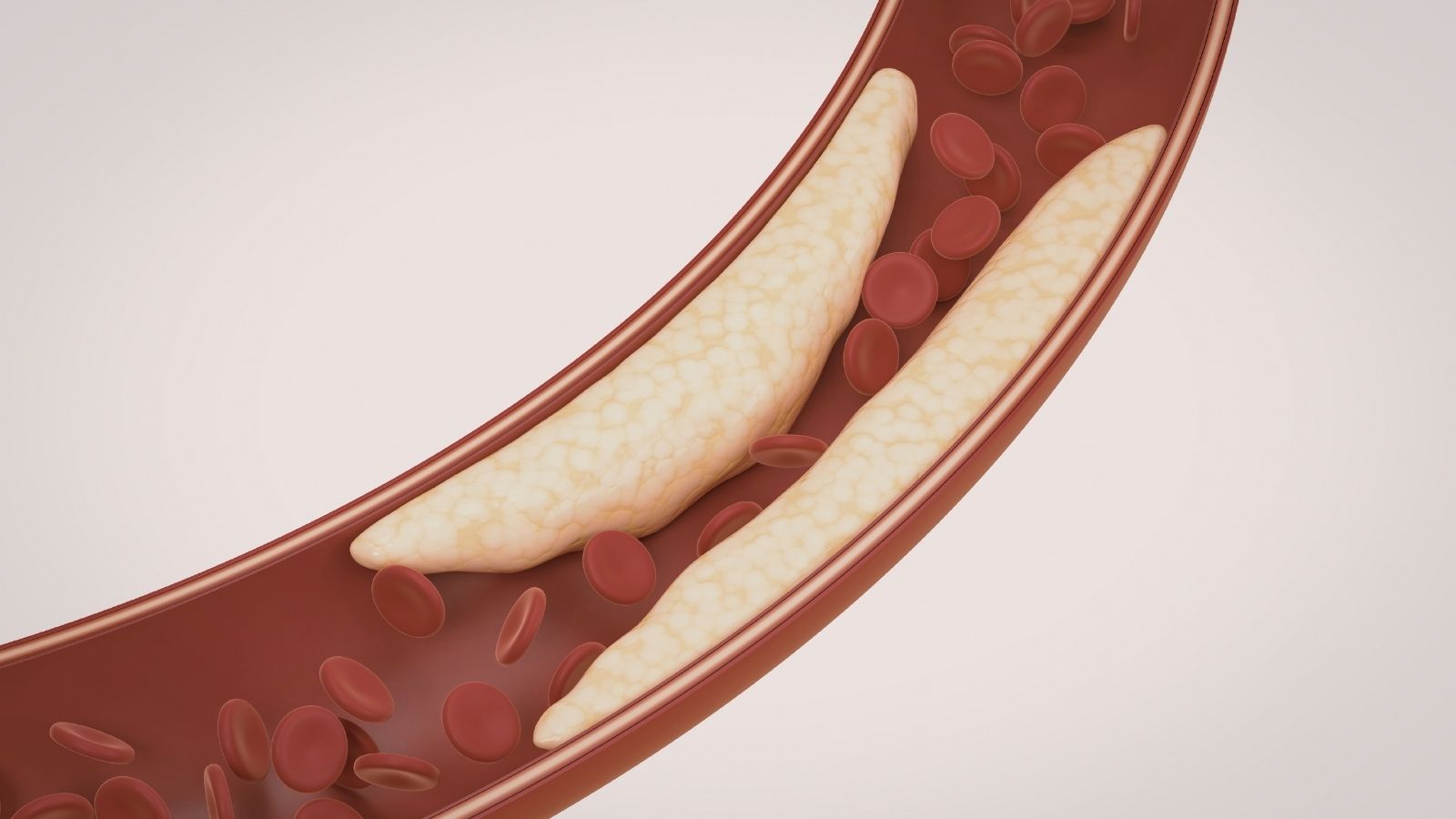
Peripheral Artery Disease (PAD): This condition is the narrowing or blockage of the arteries in the legs. Plaque accumulation in the arterial walls (atherosclerosis) prevents blood flow. Pain in the legs while walking (claudication) and cold feet are among the main symptoms of PAD. Smoking, high blood pressure, high cholesterol, and diabetes are factors that increase the risk of PAD. If left untreated, the risk of delayed wound healing and infection increases.
Raynaud’s Phenomenon: This condition is characterized by excessive reaction and spasm of the small blood vessels in the fingers and toes in cold or stressful situations. These spasms temporarily cut off blood flow to the affected areas. Color change in the fingers and toes (first turning white, then blue, then red), numbness, and tingling may accompany it. Raynaud’s may be primary (cause unknown) or secondary (related to another disease). Autoimmune diseases such as rheumatoid arthritis and scleroderma may cause secondary Raynaud’s.
Varicose Veins and Venous Insufficiency: Enlargement and loss of function of the veins in the legs make it difficult for blood to return to the heart. This condition may cause a feeling of coldness along with swelling, pain, and heaviness in the feet. Venous insufficiency is associated with standing for long periods, genetic predisposition, and obesity.
- Anemia
Anemia is the condition in which there are not enough red blood cells in the body or hemoglobin levels are low. Hemoglobin is the oxygen-carrying protein of red blood cells. Anemia causes insufficient oxygen transport to tissues. This may lead to symptoms such as general weakness, pale skin, and cold feet. Iron deficiency anemia is the most common type of anemia. Menstrual periods, pregnancy, and inadequate nutrition may increase the risk of anemia in women.
- Underactive Thyroid Gland (Hypothyroidism)
The thyroid gland produces hormones that regulate the body’s metabolism. In hypothyroidism, the thyroid gland cannot produce enough thyroid hormone. This causes the body’s overall metabolic rate to slow down. Slowed metabolism may lead to a decrease in body temperature and therefore cold feet. Fatigue, weight gain, constipation, dry skin, and hair loss are also other symptoms of hypothyroidism.
- Diabetes
Diabetes is a chronic disease in which blood sugar levels remain high. High blood sugar can cause nerve damage (diabetic neuropathy) and damage to blood vessels over time. While diabetic neuropathy causes loss of sensation, tingling, and a burning sensation in the feet, damaged blood vessels disrupt circulation and may cause the feet to feel cold. Diabetic feet are more vulnerable to infections and wounds. Therefore, it is vital for people with diabetes to pay extra attention to foot care.
- Nerve Damage (Neuropathy)
Nerve damage is another important cause of cold feet. Nerves transmit signals that regulate body temperature and perceive sensations. Damaged nerves may send incorrect signals or may not send any signals at all. This may cause the feet to be perceived as cold or to actually be cold. Neuropathy may occur due to various causes such as diabetes, vitamin deficiencies (especially B vitamins), alcoholism, infections, and autoimmune diseases.
- Vitamin and Mineral Deficiencies
The body needs various vitamins and minerals to function properly. Especially deficiencies of vitamin B12, iron, and magnesium may cause cold feet by leading to circulatory problems and impaired nerve functions. Vitamin B12 is critically important for nerve health and red blood cell production. Iron is the basic component of hemoglobin. Magnesium helps blood vessels relax.
- Stress and Anxiety
Chronic stress and anxiety trigger the body’s “fight or flight” response. In this condition, the body narrows peripheral blood vessels to direct more blood to vital organs. This physiological response may cause a feeling of coldness by reducing blood flow especially to the end points of the body, such as the hands and feet. Psychological state can affect physical health to a surprising degree.
- Smoking
Smoking contains nicotine, which narrows blood vessels and disrupts blood flow. Nicotine damages vessel walls and increases the risk of atherosclerosis. This negatively affects blood circulation especially in the legs and feet, causing the feet to feel constantly cold. Smoking accelerates the development of serious circulatory problems such as peripheral artery disease.
- Side Effects of Certain Medications
Some medications may narrow blood vessels or affect circulation as a side effect. Beta blockers (used in the treatment of high blood pressure), migraine medications (ergotamine derivatives), and some chemotherapy drugs are some types of medications that may cause cold feet. If you have started using a new medication and your complaint of cold feet has begun, it is important to consult your doctor.
Other Symptoms Accompanying Cold Feet
Cold feet may be a symptom on its own, but it usually occurs together with other symptoms. These additional symptoms help understand the underlying cause.
- Color Changes: Paleness, blueness, or redness in the feet or toes may indicate circulatory problems or Raynaud’s phenomenon.
- Numbness and Tingling: Nerve damage or circulatory disorders may cause loss of sensation, numbness, and tingling in the feet. This is a symptom of conditions such as diabetic neuropathy or peripheral neuropathy.
- Pain and Cramps: Pain and cramps felt in the legs especially while walking may be a sign of peripheral artery disease (PAD). Vein problems may also lead to pain and a feeling of heaviness in the legs.
- Skin Changes: Dryness, cracking, delayed healing of wounds, tendency to infections on the skin of the feet may be signs of diabetes and circulatory disorders. Coldness in the skin may also indicate insufficient circulation.
- Nail Changes: Thickened, slowly growing nails may be a sign of circulatory problems.
- Fatigue and Weakness: Systemic diseases such as anemia or hypothyroidism may cause general fatigue and weakness. Cold feet may be felt as part of this general condition.
- Weight Changes: Sudden weight gain or weight loss may be a symptom of metabolic problems such as thyroid dysfunctions.
- Hair and Nail Fragility: These conditions, which may be indicators of a general health problem, are also associated with hormonal imbalances such as hypothyroidism.
When Should You See a Doctor for Cold Feet?
Although cold feet is usually a harmless condition, it is important to seek medical help in some cases.
- Constant and Severe Coldness: Your feet constantly feeling cold regardless of the season or ambient temperature.
- Other Accompanying Symptoms: Color change in the feet (paleness, bruising), numbness, tingling, burning, wounds on the skin, non-healing infections, leg pain, or cramps.
- Sudden Onset: Severe coldness that starts suddenly when you have not had such a complaint before.
- Affecting Quality of Life: The feeling of coldness disrupting your daily activities or sleep.
- If You Have a Known Disease: If you have chronic conditions such as diabetes, thyroid disease, cardiovascular disease, and cold feet show a change or worsening in these conditions.
- Delayed Wound Healing: Even small wounds on your feet taking a long time to heal or becoming infected.
Diagnosis of Cold Feet
Your doctor may use various methods to determine the cause of cold feet.
Diagnostic Methods:
- Medical History and Physical Examination: Your doctor will ask about your symptoms, when they started, how often they occur, and your other accompanying complaints. The color, temperature, pulses of your feet, and the condition of your skin will be examined.
- Blood Tests:
Complete Blood Count: To detect anemia. Thyroid Function Tests (TSH, T3, T4): To evaluate thyroid problems such as hypothyroidism or hyperthyroidism. Blood Sugar (Fasting Blood Sugar, HbA1c): For diabetes screening or follow-up. Vitamin B12 and Folate Levels: To determine vitamin deficiencies. Autoimmune Markers: If autoimmune disease is suspected.
- Circulation Tests:
Ankle-Brachial Index (ABI): It evaluates peripheral artery disease by measuring blood pressure in the ankle and arm arteries.
Doppler Ultrasound: Used to visualize blood flow and detect narrowing or blockages in the vessels.
Angiography: A more invasive method for detailed imaging of the vessels when necessary.
- Nerve Conduction Studies (EMG): If peripheral neuropathy is suspected, it is performed to measure the electrical activity of the nerves.
- Cold Stress Test for Raynaud’s Phenomenon: In certain cases, it may be applied to trigger and evaluate Raynaud’s phenomenon.
Treatment and Management of Cold Feet
Treatment of cold feet varies depending on the underlying cause.
- Lifestyle Changes:
Keeping Warm: Using layered clothing, wool socks, insulated shoes. Regular Exercise: Doing aerobic exercises such as walking and swimming to improve blood circulation. Quitting Smoking: It seriously improves circulatory health. Healthy Nutrition: Following a balanced diet rich in vitamins and minerals. Stress Management: Applying relaxation techniques such as yoga and meditation. Foot Care: Regular foot checks, moisturizing, and choosing appropriate shoes are important especially for people with diabetes.
- Treatment of the Underlying Disease:
Diabetes: Blood sugar control, medications, diet, and exercise. Hypothyroidism: Thyroid hormone replacement therapy (levothyroxine). Anemia: Iron, vitamin B12, or folate supplements, treatment aimed at the cause. PAD: Medication therapy (blood thinners, cholesterol-lowering drugs), lifestyle changes, angioplasty, or bypass surgery. Raynaud’s Phenomenon: Protection from cold, stress management, medication therapy (calcium channel blockers). Autoimmune Diseases: Immunosuppressive medications, anti-inflammatory treatments.
- Medication Therapy: Your doctor may prescribe specific medications to improve circulation or treat the underlying disease.
- Physical Therapy: Exercises and massages aimed at increasing circulation.
Home Methods That Can Be Applied for Cold Feet
In addition to seeing a doctor, there are some methods you can apply at home to relieve the complaint of cold feet.
Methods That Can Be Applied at Home:
- Layered Clothing: Wear more than one layer of socks to keep your feet warm. Prefer wool or thermal socks.
- Insulated Shoes: Use waterproof and well-insulated shoes especially when going outside.
- Hot Water Bottle or Electric Blanket: You can use them to warm your feet before going to bed or while resting. However, be careful against the risk of burns.
- Foot Massage: Regularly massaging your feet can speed up blood circulation. Massage by pressing lightly and using circular movements.
- Foot Exercises: Simple exercises such as bending and opening your toes, rotating your ankles while sitting or lying down increase blood flow.
- Warm Foot Baths: You can take a foot bath by adding a few drops of lavender or rosemary oil to warm water. However, people with diabetes may not fully perceive temperatures due to loss of sensation, so it is important to check the temperature of the water.
- Drinking Plenty of Fluids: Drinking enough water helps maintain the fluidity of the blood.
- Staying Away from Tobacco Products: Cigarettes and other tobacco products narrow blood vessels.
- Limiting Caffeine and Alcohol Consumption: These substances may cause narrowing of blood vessels in some people.
Frequently Asked Questions
Why is persistent cold feet more common in some people?
Persistent cold feet is generally associated with poor blood circulation, low body fat ratio, or slow metabolism. In addition, conditions such as anemia, thyroid diseases, and nerve damage may also cause the feet to feel constantly cold.
Which circulatory system diseases can cold feet be a symptom of?
Cold feet may be one of the early symptoms of circulatory disorders such as peripheral artery disease. Narrowing of the vessels reduces blood flow and may cause the feet to feel cold, pale, or numb.
Can cold feet be a symptom of anemia?
Yes, iron deficiency anemia is one of the common causes of cold feet. When the hemoglobin level in the blood decreases, sufficient oxygen cannot be carried to the tissues, and a feeling of coldness may occur especially in the hands and feet.
How does diabetes cause cold feet?
Diabetes may cause nerve damage and circulatory problems over time. This condition, known as diabetic neuropathy, may lead to both coldness and numbness, tingling, or burning sensations in the feet.
Can thyroid diseases cause cold feet?
Hypothyroidism, meaning the slow functioning of the thyroid gland, lowers metabolism and reduces body heat production. For this reason, people may experience a pronounced feeling of coldness especially in the feet and hands.
Can cold feet be related to nervous system diseases?
Some nervous system diseases may affect nerve conduction and cause changes in temperature perception in the feet. This condition may be seen together with symptoms such as a feeling of coldness, numbness, or tingling.
Why is cold feet more common in women?
Cold feet may be more common in women due to hormonal differences, lower muscle mass, and more sensitive vascular structure. In addition, since iron deficiency and thyroid diseases are more common in women, this condition may be affected.
When can persistent cold feet be a sign of a serious disease?
If cold feet has become persistent and is accompanied by symptoms such as numbness, color change, pain, or cramps while walking, it may indicate circulatory or nerve diseases and medical evaluation may be required.
Which lifestyle changes can be made to reduce cold feet?
Regular exercise, quitting smoking, and balanced nutrition support blood circulation. In addition, keeping the feet warm, avoiding tight shoes, and paying attention to adequate iron intake may also be beneficial.
In which situations does cold feet require consulting a doctor?
If cold feet continues for a long time, is pronounced in one foot, or is accompanied by symptoms such as pain, numbness, color change, and delayed healing of wounds, it is important to consult a doctor for an underlying disease.

Prof. Dr. Kadriye Orta Kılıçkesmez is one of the leading figures in the field of Turkish cardiology. She was born on January 24, 1974, in Tekirdağ. After completing her undergraduate education at Istanbul University Cerrahpaşa Faculty of Medicine, she chose cardiology as her specialty and received her specialist training at the Cardiology Institute of the same university. In 2015, she was appointed by the university to establish the Şişli Etfal cardiology clinic and Angio laboratory. Becoming a professor in 2017, Kadriye Kılıçkesmez established the cardiology clinic and Angio laboratory of Prof. Dr. Cemil Taşçı Hospital in 2020 and ensured that the clinic became a training clinic.