Türkçe
 Français
 Deutsch
 Italiano
 Español
The heart valve is a structure located between the heart chambers and at the entrance of the large vessels leaving the heart, ensuring one-way blood flow. These valves open and close to prevent blood from flowing backward and enable circulation to continue in a regular, pressure-balanced, and efficient manner.
The question of what the functions of heart valves are includes the coordinated work of the mitral, tricuspid, aortic, and pulmonary valves. These valves respond to pressure changes during systole and diastole, directing blood to the correct chamber and the correct vessel, thereby maintaining systemic and pulmonary circulation.
The question of what happens if there is a problem with a heart valve refers to pathologies such as valve stenosis or insufficiency. In stenosis, blood flow becomes difficult; in insufficiency, blood leaks backward. This condition may cause the heart to work harder, leading over time to heart enlargement, rhythm disorders, and heart failure.
When evaluated in terms of the symptoms of heart valve diseases; shortness of breath, fatigue, palpitations, chest pain, and fainting may occur. Diagnosis is made by echocardiography, and treatment may include medication, interventional methods, or surgical valve repair or replacement.
What Are Heart Valves and How Many Are There?
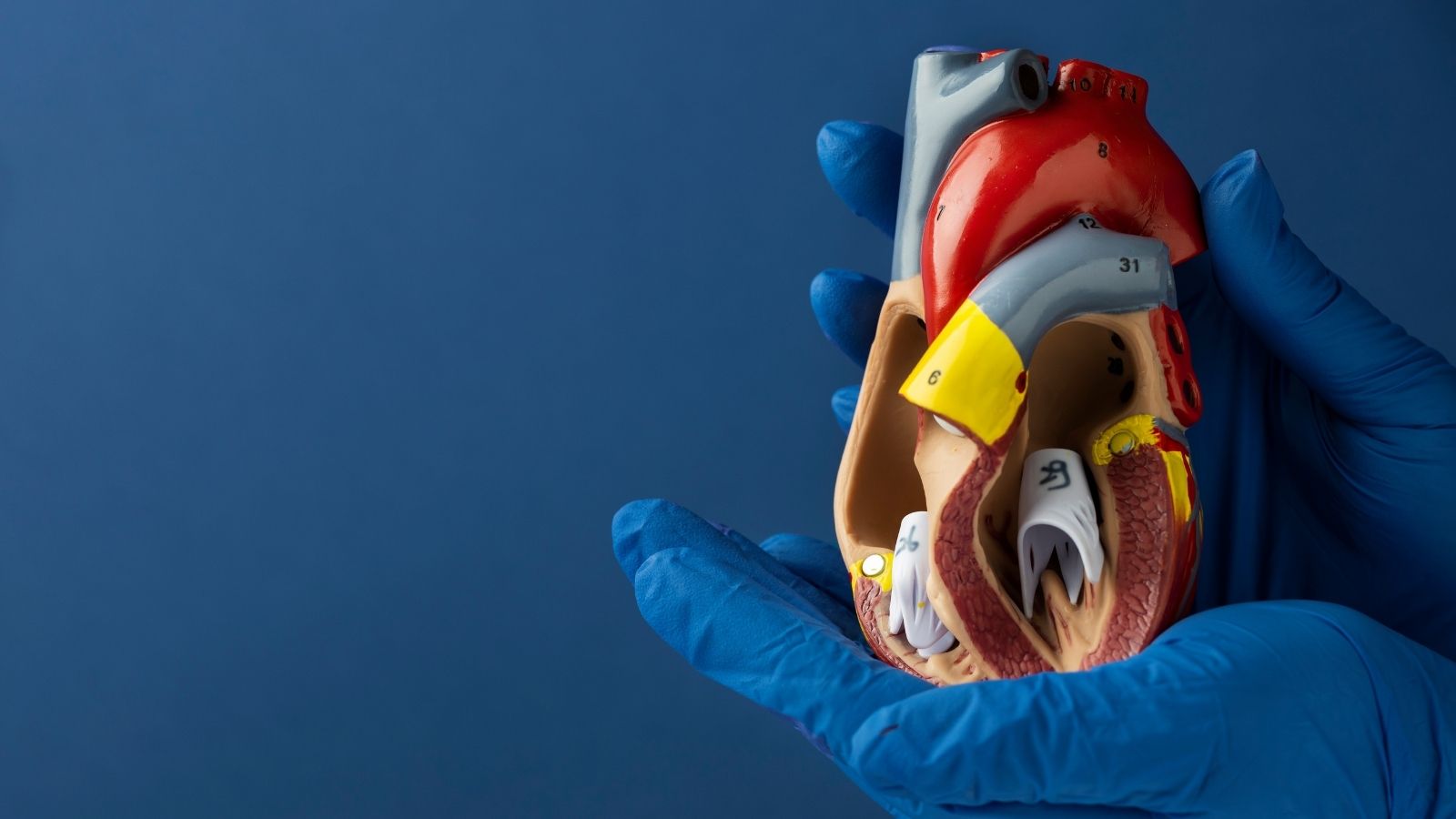
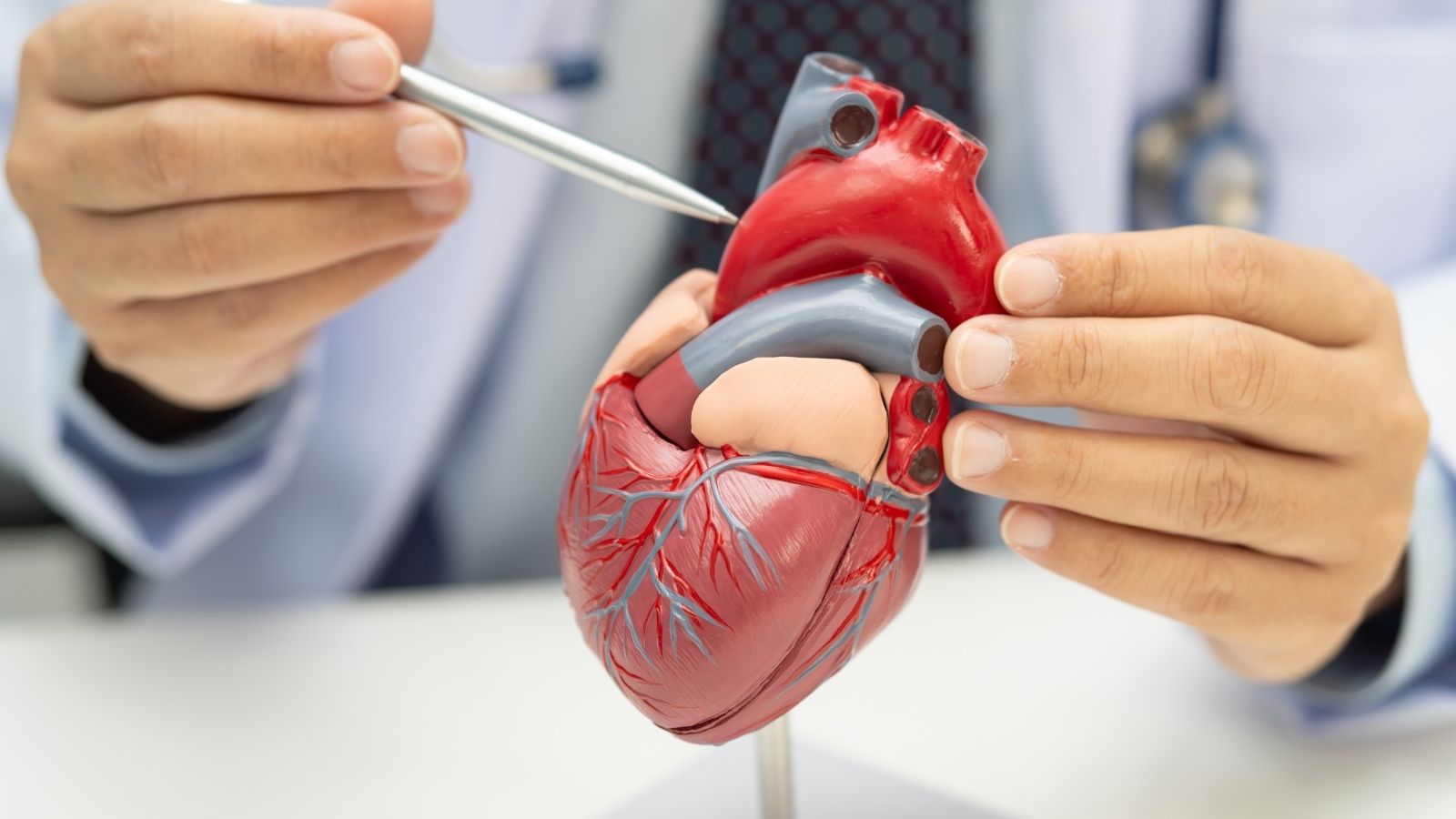
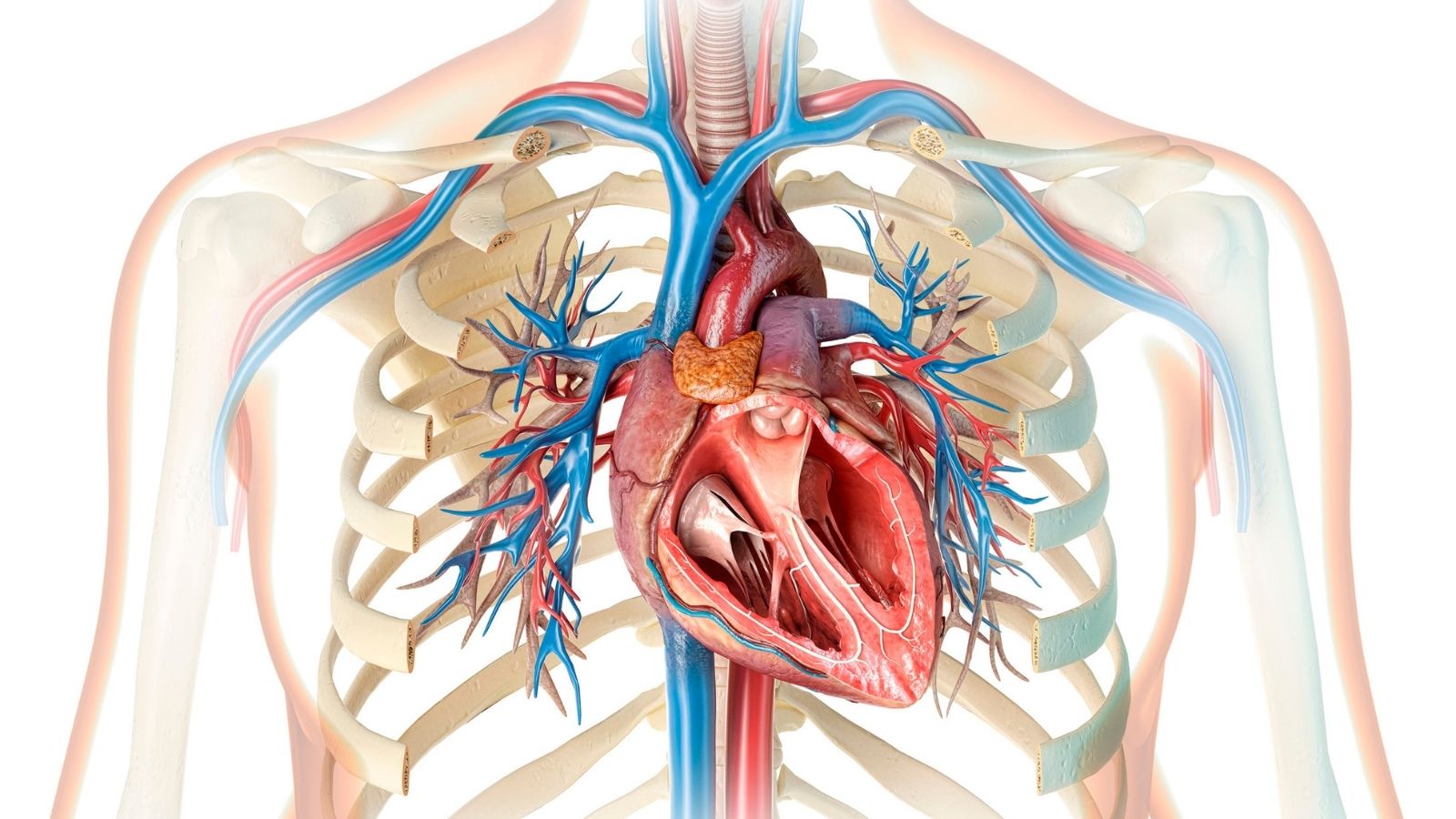
There are four valves in the human heart: the mitral valve, tricuspid valve, aortic valve, and pulmonary valve. These valves are located between the two atria and two ventricles of the heart and between the ventricles and the large vessels.
The mitral and tricuspid valves are called atrioventricular valves; they regulate blood flow between the atria and ventricles. The aortic and pulmonary valves are known as semilunar valves and control blood flow from the ventricles to the large vessels (aorta and pulmonary artery).
These valves consist of thin but durable connective tissue structures. They open and close depending on pressure differences during the contraction (systole) and relaxation (diastole) of the heart muscle.
What Is the Function of the Heart Valve in the Body?
The primary function of the heart valves is to ensure that blood moves forward within the heart in a one-way and orderly manner. This mechanism is extremely important for hemodynamic balance.
For example, the mitral valve allows blood to pass from the left atrium to the left ventricle; when the ventricle contracts, it prevents blood from flowing back into the atrium. Similarly, the aortic valve allows blood to pass into the aorta during contraction of the left ventricle and prevents blood from returning to the heart during the relaxation phase.
Through this one-way flow, sufficient oxygen and nutrients are delivered to tissues. Proper functioning of the valves is essential for the heart’s efficient pumping function. Even the slightest impairment in valve function may lead to an increased cardiac workload over time.
What Happens If There Is a Problem with a Heart Valve?
Heart valve diseases are generally examined under two main categories: stenosis (narrowing) and insufficiency (regurgitation).
Valve Stenosis
In valve stenosis, the valve leaflets cannot open sufficiently. This condition usually develops as a result of thickening of the valve tissue, calcification, or rheumatic damage. When the valve narrows, blood flow becomes difficult, and the heart must work harder to overcome this resistance.
In the long term, this condition may lead to thickening of the heart muscle (hypertrophy) and subsequently to heart failure. Aortic stenosis, in particular, is a condition frequently seen in the elderly population and requires careful monitoring.
Valve Insufficiency (Regurgitation)
In valve insufficiency, the valve cannot close completely, and blood flows backward. This backward flow is medically referred to as regurgitation. For example, in mitral insufficiency, when the left ventricle contracts, some of the blood returns to the left atrium.
Over time, this condition may cause enlargement (dilation) of the heart chambers and a decrease in pumping power. In advanced stages, signs of heart failure may appear.
What Are the Symptoms of Heart Valve Diseases?
Heart valve diseases may not cause symptoms in the early stages. However, as the disease progresses, the following symptoms may be observed:
- Shortness of breath (especially increasing with exertion or when lying down)
- Easy fatigue
- Palpitations
- Chest pain
- Dizziness or fainting
- Swelling in the ankles (edema)
These symptoms develop due to the increased workload of the heart and impairment in the circulatory system. For example, shortness of breath may occur as a result of increased pressure in the pulmonary circulation.
The severity of symptoms varies depending on which valve is affected and the degree of the disease. Therefore, the same clinical picture is not expected in every patient with similar complaints.
What Are the Causes of Heart Valve Diseases?
Valve diseases may be congenital or may develop later in life.
Common causes include:
- History of rheumatic fever
- Age-related degenerative changes
- Calcification of the valve
- Infective endocarditis (heart valve infection)
- Connective tissue diseases
- Structural deterioration of the valve after a heart attack
Especially in the elderly population, narrowing due to calcification of the aortic valve is more common, while rheumatic-origin valve diseases may be more prominent at younger ages.
How Does the Diagnostic Process Progress?
In suspected heart valve disease, the first step is a detailed patient history and physical examination. While listening to heart sounds with a stethoscope, the doctor may detect abnormal sounds called murmurs. A murmur may be an indication of turbulence in blood flow through the valves.
The most important diagnostic method is echocardiography (ECHO). With this ultrasound-based imaging method, the structure of the valves, their opening and closing movements, and the direction of blood flow are evaluated. When necessary, advanced tests such as transesophageal echocardiography, cardiac MRI, or cardiac catheterization may be performed.
Diagnosis and grading of the disease must be carried out by a cardiology specialist.
How Are Treatment Approaches Planned?
The treatment of heart valve diseases varies according to the type and severity of the disease, the patient’s age, and accompanying health conditions.
In mild cases without symptoms, regular follow-up may be sufficient. During this process, valve function is monitored with periodic echocardiography.
In advanced cases, medical treatment (drug therapy) may be planned to reduce the heart’s workload and control symptoms. However, in some situations, surgical or interventional procedures such as valve repair or valve replacement may be required. Today, in some valve diseases, catheter-based methods can also be applied as an alternative to open surgery.
Every treatment decision requires individual evaluation. Even in two patients with the same valve disease, the approach may differ.
When Is Specialist Evaluation Necessary?
Cardiology evaluation is important in the presence of complaints such as unexplained shortness of breath, chest pain, palpitations, or fainting. In addition, individuals with a history of rheumatic fever in childhood are recommended to have regular heart check-ups.
When heart valve diseases are detected at an early stage, the risk of complications can be reduced with regular follow-up. Therefore, complaints should not be ignored, and specialist consultation is important.
In conclusion, heart valves are indispensable structures for the healthy functioning of the circulatory system. Structural or functional disorders occurring in these valves may affect the heart’s working pattern over time. The diagnostic and treatment process should be planned individually for each patient and carried out under the supervision of a cardiology specialist.

Prof. Dr. Kadriye Orta Kılıçkesmez is one of the leading figures in the field of Turkish cardiology. She was born on January 24, 1974, in Tekirdağ. After completing her undergraduate education at Istanbul University Cerrahpaşa Faculty of Medicine, she chose cardiology as her specialty and received her specialist training at the Cardiology Institute of the same university. In 2015, she was appointed by the university to establish the Şişli Etfal cardiology clinic and Angio laboratory. Becoming a professor in 2017, Kadriye Kılıçkesmez established the cardiology clinic and Angio laboratory of Prof. Dr. Cemil Taşçı Hospital in 2020 and ensured that the clinic became a training clinic.