Türkçe
 Français
 Deutsch
 Italiano
 Español
Cold sweating is an intense sweating reaction that occurs without an increase in body temperature and is usually seen in conditions related to sudden stress, pain, or the circulatory system. It develops with sudden stimulation of the autonomic nervous system and often occurs together with symptoms such as coldness of the skin, paleness, and weakness.
Causes of cold sweating include sudden drops in blood pressure, severe pain, trauma, infections, and cardiovascular diseases. This condition occurs as a physiological response of the body to the perception of stress or danger and develops through activation of the sympathetic nervous system and rapid functioning of the sweat glands.
Nighttime cold sweating may be associated with hormonal changes, infectious diseases, hypoglycemia, and some chronic conditions. This situation, which occurs during sleep, is especially characterized by sweating without fever and, when it continues for a long time, may be an indicator of an underlying systemic disease.
Dizziness, nausea, chest pain, or a feeling of fainting seen together with sudden cold sweating may be signs of serious health problems requiring urgent evaluation. It may occur as a defense mechanism of the body, especially in cases of heart attack, shock, or severe infection, and requires medical evaluation.
| What You Need to Know | Information |
| Definition of Cold Sweating | Cold sweating is the sudden and involuntary formation of cool, moist sweat on the skin without an increase in environmental temperature or physical exertion. It usually appears as a sign of stress, pain, or an internal health problem. |
| Physiological Mechanism | It develops through stimulation of the sweat glands as a result of activation of the autonomic nervous system, especially the sympathetic nervous system. It usually occurs together with peripheral vasoconstriction. |
| Common Causes | Conditions such as shock (hypovolemic, cardiogenic, septic), heart attack (myocardial infarction), hypoglycemia, intense pain, severe infections, anxiety, or panic attack. |
| Cardiovascular Causes | It is commonly seen in life-threatening cardiovascular diseases such as myocardial infarction, serious arrhythmias, and pulmonary embolism. |
| Endocrine Causes | Hypoglycemia (especially after insulin use in patients with diabetes), adrenal gland tumors such as pheochromocytoma. |
| Neurological Causes | It may occur in autonomic dysfunction, before or after epileptic seizures, and during migraine attacks. |
| Psychological Causes | It may occur in panic attack, anxiety disorders, and acute stress situations; palpitations, shortness of breath, and dizziness usually accompany it. |
| Infectious Causes | Cold sweating may be seen in systemic infections such as sepsis, febrile illnesses, tuberculosis, and malaria. |
| Conditions Requiring Emergency Intervention | If cold sweating occurs together with symptoms such as chest pain, change in consciousness, and low blood pressure, it requires urgent medical evaluation. |
| Importance in Differential Diagnosis | Evaluating cold sweating not alone but together with other symptoms is critical for correct diagnosis. |
| Treatment Approach | Treatment directed at the cause is essential. For example, if it is due to hypoglycemia, glucose must be given; if it is due to a heart attack, cardiac intervention must be performed. |
| When Should a Doctor Be Consulted? | If cold sweating develops together with confusion, severe pain, shortness of breath, or palpitations, medical help should be sought immediately. |
What Is Cold Sweating?
Cold sweating is not directly related to the body’s temperature regulation; it is more often an activation of the autonomic nervous system. This sweating usually concentrates in areas such as the palms, soles of the feet, armpits, and forehead. Unlike normal sweating, cold sweating is usually not triggered by physical activity or high ambient temperature. Instead, it is a sign that the body has entered an internal alarm state.
- Physiological Mechanism
The sweat glands in our body are controlled by the sympathetic nervous system. In situations such as stress, fear, or sudden shock, the sympathetic nervous system triggers the “fight or flight” response. This response leads to the release of adrenaline and similar hormones. These hormones increase heart rate, accelerate breathing, and direct blood to the muscles. At the same time, they also activate the sweat glands and cause cold sweating. The purpose of this sweating is to prepare the body against a possible threat and prevent overheating. However, this response may occur even when there is no real threat.
- Different Dimensions of Cold Sweating
Cold sweating is a phenomenon that has psychological effects as well as being a physical condition. It may trigger feelings of discomfort, embarrassment, or anxiety in individuals. This may negatively affect social interactions and reduce the person’s quality of life. Especially persistent or recurrent cold sweating attacks may be a sign of a more serious underlying problem. Therefore, understanding the causes of this condition and developing appropriate management strategies is of great importance.
Causes of Cold Sweating
Cold sweating is a complex response of the body, and understanding its underlying causes is critical for determining correct management strategies. In this section, we will examine the main causes that may lead to cold sweating in more detail.
Autonomic Nervous System and Stress Response
The autonomic nervous system controls the body’s involuntary functions (heartbeat, digestion, breathing, etc.). This system has two main divisions: sympathetic and parasympathetic. The sympathetic nervous system is responsible for the “fight or flight” response and becomes active in stressful situations. The parasympathetic nervous system manages the “rest and digest” mode and calms the body.
In situations such as stress, fear, and anxiety, the sympathetic nervous system comes into play. Stress hormones such as adrenaline and cortisol are released. These hormones accelerate the heartbeat, increase blood pressure, and direct blood to vital organs and muscles. At the same time, they stimulate the sweat glands and cause cold sweating. This sweating is part of the body’s mechanism to cool itself and prepare against a potential threat. However, this response may be triggered by psychological stress factors even when there is no real threat.
Types of Stress and Anxiety
- Generalized Anxiety Disorder (GAD): A state of constant and excessive worry may cause cold sweating.
- Panic Attack: Cold sweating is a typical symptom during panic attacks, which occur suddenly and are accompanied by intense fear, palpitations, and shortness of breath.
- Social Phobia: Intense fear of being in public or social interactions may lead to cold sweating.
- Post-Traumatic Stress Disorder (PTSD): Stress and anxiety that occur after a traumatic event may trigger cold sweating attacks.
Metabolic and Endocrine Causes
The body’s metabolic rate and hormonal balance have a direct effect on sweating.
- Hypoglycemia (Low Blood Sugar)
A drop in blood sugar level below normal (usually below 70 mg/dL) causes insufficient energy supply for the brain and body. This condition activates the sympathetic nervous system, leading to adrenaline release and cold sweating. Symptoms of hypoglycemia include hunger, trembling, dizziness, irritability, and cold sweating. This condition is especially risky for patients with diabetes, but it may also be seen in people without diabetes.
Diabetic Hypoglycemia: It may occur as a result of taking an excessive dose of insulin or other diabetes medications, skipping meals, or excessive exercise.
Non-Diabetic Hypoglycemia: This rare condition may result from some surgical operations (such as stomach reduction), certain medications, excessive alcohol consumption, or rare metabolic disorders.
- Hyperthyroidism (Overactivity of the Thyroid Gland)
Overactivity of the thyroid gland significantly increases the body’s metabolic rate. This causes the body to produce more heat and sweat more to balance this heat. Symptoms of hyperthyroidism may include rapid heartbeat, weight loss, irritability, tremor, heat intolerance, and cold sweating.
- Menopause
During menopause in women, fluctuations and decreases in estrogen levels may affect the regulation of body temperature. This condition leads to hot flashes, which are sudden and intense increases in heat, followed by cold sweating.
Cardiovascular Causes
Some conditions related to the heart and circulatory system may cause cold sweating.
- Heart Attack (Myocardial Infarction)
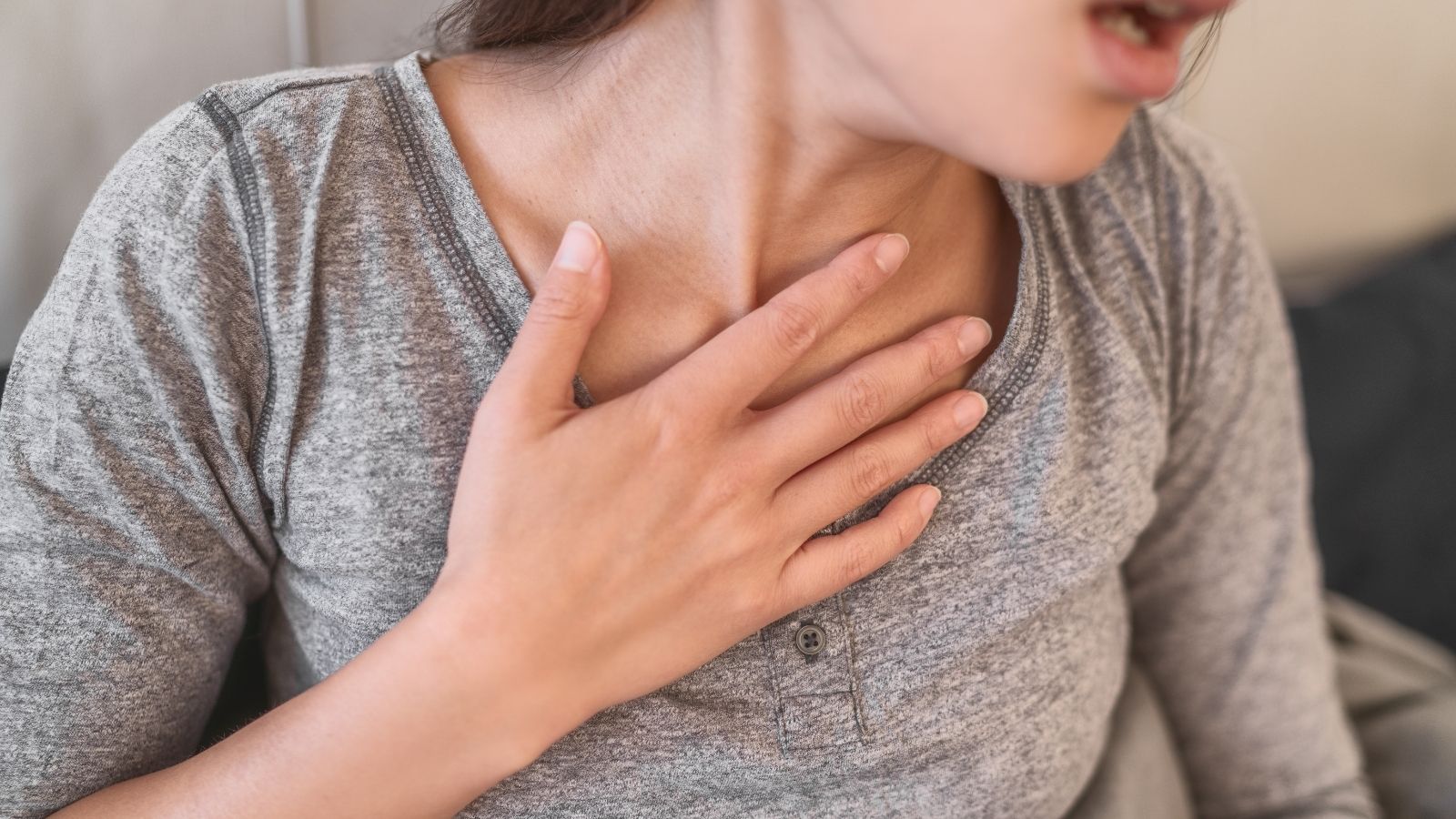
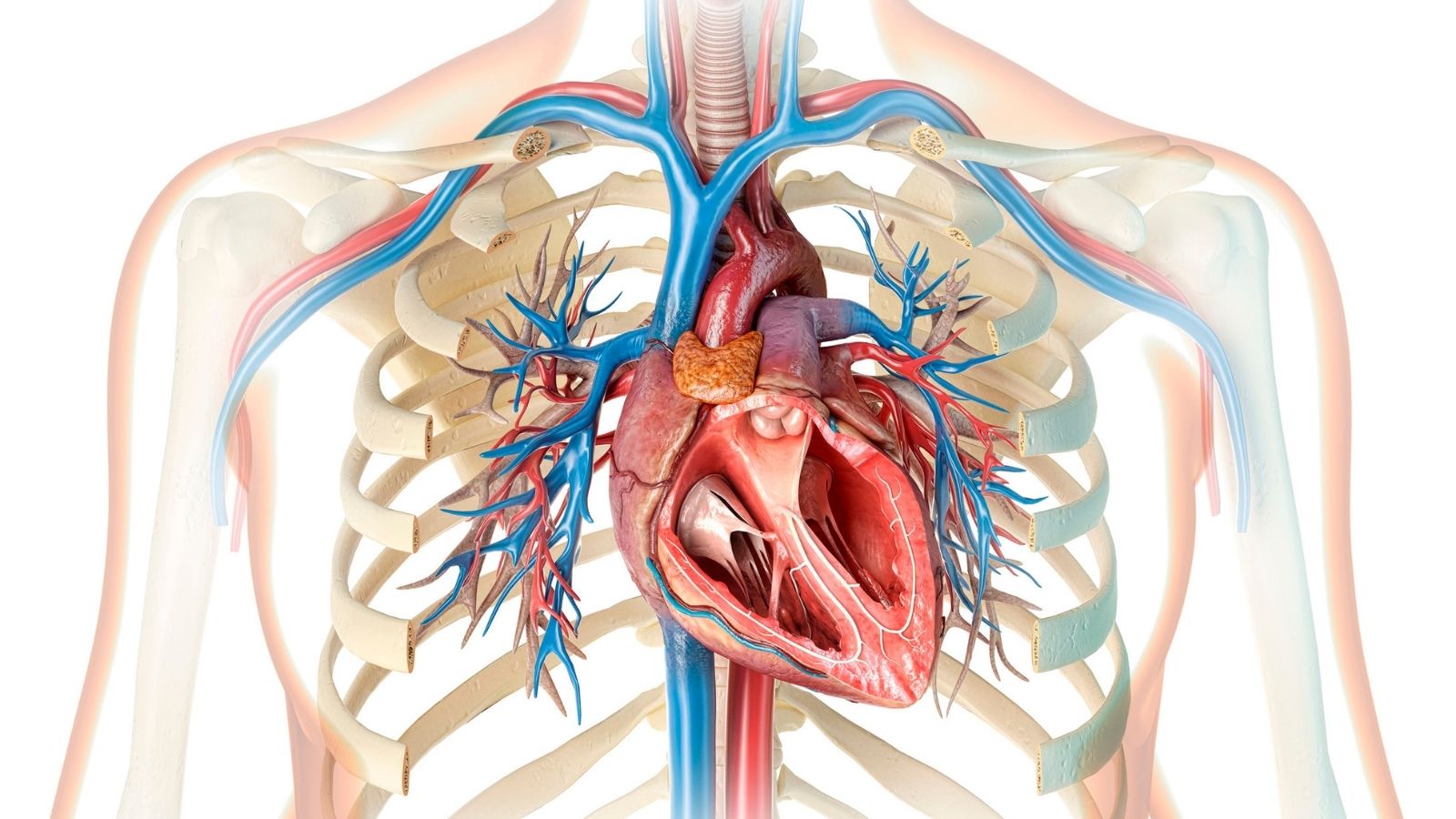
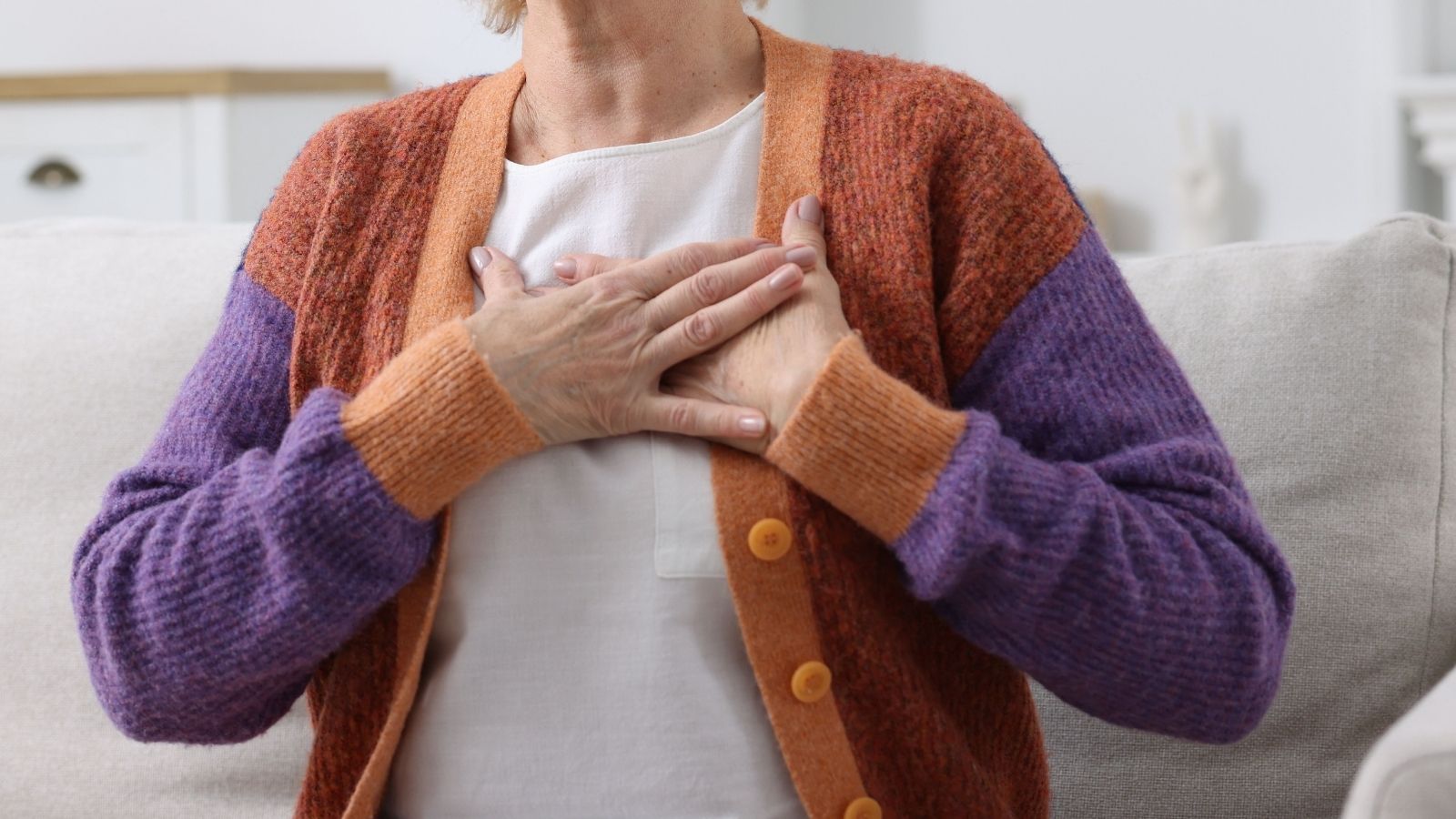
A heart attack is the sudden interruption of blood flow to a specific part of the heart. This condition triggers a severe stress response in the body and leads to excessive activation of the sympathetic nervous system. Adrenaline release accelerates the heartbeat and causes cold sweating. Heart attack symptoms may vary from person to person, but typically include chest pain, a feeling of pressure, pain spreading to the left arm or jaw, shortness of breath, nausea, and cold sweating. Any condition involving chest pain and cold sweating requires emergency medical intervention.
- Hypotension (Low Blood Pressure)
Blood pressure falling below normal (hypotension) may cause the body to be unable to send enough blood and oxygen to the organs. This condition may trigger the body’s stress response and lead to cold sweating. A feeling of fainting, dizziness, and cold sweating may be seen when standing up suddenly or standing for a long time.
Infections and Fever
The body’s fight against infections is a response of the immune system and usually occurs together with fever. Fluctuations in body temperature, especially during periods when fever rises and begins to fall, may increase the activity of the sweat glands. Intense sweating seen during the fever reduction phase is an indicator that the body is trying to remove excess heat, and this sweating may feel cold.
- Bacterial and Viral Infections: Common infections such as flu, pneumonia, and urinary tract infections may cause fever and sweating.
- Sepsis: Sepsis, which occurs when a serious infection spreads into the bloodstream, is a life-threatening condition, and its symptoms may include high fever, low blood pressure, rapid heartbeat, and cold, moist skin (cold sweating).
Medications and Substances
Side effects of some medications or the use of certain substances may cause cold sweating.
- Medication Side Effects
Blood Pressure Medications: Some blood pressure medications such as beta-blockers may affect sweating regulation.
Antidepressants: Especially selective serotonin reuptake inhibitors (SSRIs) may cause increased sweating in some people.
Painkillers: Opioids and non-steroidal anti-inflammatory drugs (NSAIDs) may have effects on sweating.
Hormone Treatments: Hormone replacement therapies or some cancer medications may change hormonal balance and lead to sweating.
- Alcohol and Drugs
Alcohol withdrawal or excessive alcohol consumption may cause sweating attacks in the body. Use or withdrawal of some drugs may also lead to similar effects.
Neurological Causes
Nervous system diseases may cause abnormal sweating by disrupting the nerve signals that control the sweat glands.
- Autonomic Neuropathy
This is damage to the autonomic nervous system. Conditions such as diabetes, Parkinson’s disease, and Guillain-Barré syndrome may lead to autonomic neuropathy. This damage may cause irregularity in autonomic functions, including sweating.
- Parkinson’s Disease
In Parkinson’s disease, the loss of dopamine-producing brain cells may lead to autonomic dysfunction as well as motor symptoms. This may cause disturbances in sweating regulation and cold sweating.
- Stroke
Damage to the areas of the brain responsible for sweating regulation may lead to sweating changes after a stroke.
Cancer-Related Sweating
Some types of cancer may cause sweating as a response of the body to cancer cells or due to hormone-secreting tumors.
- Lymphoma and Leukemia
These blood cancers are especially known for night sweats. These sweats may be so intense that they soak clothes and bed sheets. Cold sweating may also be seen in these conditions.
- Carcinoid Syndrome
This rare syndrome usually occurs due to hormones secreted by carcinoid tumors located in the digestive system or lungs. Its symptoms include flushing, diarrhea, and cold sweating.
Other Potential Causes
- Sleep Apnea: Repeated stopping or slowing of breathing during sleep may cause stress in the body and lead to night sweats.
- Gastroesophageal Reflux Disease (GERD): In some cases, stomach contents flowing back into the esophagus may trigger night sweats.
- Obesity: A high body mass index may cause the body to produce more heat and increase the need for sweating.
- Pregnancy: Increased sweating may be seen during pregnancy due to hormonal changes and increased metabolic rate.
Symptoms of Cold Sweating
The main symptom of cold sweating is the body producing more sweat than normal. However, this condition comes with a feeling of coldness and usually occurs even when the person is not in a hot environment.
- Excessive Sweating
The most prominent symptom is intense sweating felt in various parts of the body, especially the palms, soles of the feet, armpits, forehead, and back. This sweating may cause clothes to become wet and create discomfort.
- Feeling of Coldness
Along with sweating, a cold feeling occurs on the skin. This results from the cooling effect created by the evaporation of sweat as part of the body’s temperature regulation mechanism. However, this condition may be more pronounced than in normal sweating.
- Trembling
In some cases, especially in low blood sugar or severe fear situations, trembling may accompany cold sweating. This is a physiological response of the body to stress or low-energy states.
- Pale Skin
During the body’s stress response, blood may be directed away from the surface toward the internal organs and muscles. This may cause temporary paleness of the skin.
- Rapid Heartbeat and Breathing
Activation of the sympathetic nervous system may increase heart rate and respiratory rate. This is part of the body’s preparation mechanism for emergencies.
- Nausea or Dizziness
Symptoms such as nausea and dizziness may also be seen especially during low blood sugar or severe anxiety attacks.
- Fatigue and Weakness
Recurrent or severe cold sweating attacks may tire the body and cause a general feeling of weakness.
Methods and Management for Coping with Cold Sweating
Management strategies vary depending on the cause of cold sweating. If there is an underlying medical condition, this condition must be treated first.
Treatment of Medical Causes
If the cause of cold sweating is an infection, hormonal imbalance, low blood sugar, or another medical condition, the treatment methods recommended by the doctor should be applied. Patients with diabetes should regularly monitor their blood sugar levels and follow their doctor’s instructions. Thyroid medications may be prescribed for those with thyroid problems.
Stress and Anxiety Management
There are various methods for cold sweating caused by stress and anxiety:
- Deep Breathing Exercises: Slow and deep breathing helps calm down by activating the parasympathetic nervous system.
- Meditation and Mindfulness: Regular meditation practices may help reduce stress levels and cope with anxiety.
- Yoga and Tai Chi: These activities provide both physical and mental relaxation.
- Cognitive Behavioral Therapy (CBT): CBT, which is effective in the treatment of anxiety and panic attacks, focuses on changing negative thought patterns.
- Regular Exercise: Physical activity reduces stress hormones and improves overall mood. However, excessive exercise should be avoided.
- Adequate Sleep: Quality and sufficient sleep increases the capacity to cope with stress.
Lifestyle Changes
- Nutrition: Balanced and regular nutrition helps keep blood sugar levels stable. Limiting caffeine and alcohol consumption may also reduce sweating in some people.
- Clothing: Choosing cotton and breathable clothes helps sweat evaporate more easily. Dressing in layers makes it easier to regulate body temperature.
- Hydration: Drinking enough water maintains the body’s fluid balance. However, excessive fluid intake may also increase sweating.
Medication Therapy
In some cases, doctors may prescribe medication to control cold sweating. These may include antiperspirant creams or medications aimed at the underlying condition.
Avoiding Situations That Trigger Cold Sweating
If certain situations (for example, public speaking, certain foods) are known to trigger cold sweating, avoiding these situations as much as possible or being prepared for them may be beneficial.
When Should a Doctor Be Consulted?
Although cold sweating is usually a temporary condition, in some cases it may be a sign of a serious underlying medical problem. Therefore, it is important to consult a healthcare professional in cases of cold sweating seen together with certain symptoms.
Conditions Requiring Emergency Medical Help
Cold sweating seen together with the following symptoms may require emergency medical intervention:
- Chest Pain, Pressure, or Tightness: Especially if accompanied by pain spreading to the left arm, jaw, or back.
- Shortness of Breath: Sudden-onset or gradually worsening difficulty breathing.
- Dizziness or Feeling of Fainting: Especially severe dizziness that occurs when standing up.
- Severe Abdominal Pain: Sudden-onset and severe abdominal pain.
- Difficulty Speaking or Numbness/Weakness in the Arms/Legs: These symptoms may be signs of stroke.
- High Fever (39°C and above): Especially if accompanied by other signs of infection.
- Confusion or Clouding of Consciousness: Sudden change in mental status.
If you are experiencing cold sweating together with any of these symptoms, go to the nearest emergency department immediately or call emergency medical help.
Conditions Requiring Doctor Check-Up
In the following situations, it is recommended that you consult your doctor to determine the cause of cold sweating and receive appropriate treatment:
- Recurrent or Persistent Cold Sweating: Unexplained, frequently recurring, or long-lasting cold sweating attacks.
- Cold Sweating Seen Together with Other Symptoms:
Significant weight loss (if you are not dieting to lose weight). Excessive fatigue or weakness. Night sweats (so intense that they soak bed sheets). Unexplained fever. Swelling in lymph nodes. Nausea, vomiting, or diarrhea. Trembling or muscle twitching. Changes in the skin (redness, rash).
- Newly Started Medication Therapy: If you started experiencing cold sweating after starting a new medication.
- Chronic Diseases Such as Diabetes or Thyroid Problems: If you have an existing health condition and cold sweating accompanies this condition.
- Psychological Effects: If cold sweating significantly affects your quality of life, leads to social isolation, or causes constant anxiety.
Your doctor will listen to your medical history, perform a physical examination, and, if necessary, may request additional tests such as blood tests, urine tests, thyroid function tests, blood sugar measurements, or imaging methods. Once the diagnosis is made, treatment will focus on the underlying cause.
How Is Cold Sweating Classified?
Cold sweating may be classified in different ways according to its causes and the areas it affects. This classification helps us better understand and manage the condition.
Classification by Causes
- Physiological Cold Sweating: Sweating that occurs as a result of the body’s normal responses.
Stress and Anxiety-Related: Psychological conditions such as fear, panic attack, intense worry. Physical Stress-Related: Sudden pain, shock.
- Pathological Cold Sweating: Sweating that occurs as a symptom of an underlying medical condition.
Endocrine-Related: Hypoglycemia, hyperthyroidism, menopause. Cardiovascular-Related: Heart attack, hypotension. Infectious-Related: Infections with high fever, sepsis. Neurological-Related: Autonomic neuropathy, Parkinson’s disease. Medication Side Effects: Use of certain medications. Cancer-Related: Conditions such as lymphoma and leukemia.
Classification by Affected Areas
- Localized Cold Sweating: Sweating concentrated in certain parts of the body. The most common areas are:
Palmar Hyperhidrosis: Excessive sweating in the palms. Plantar Hyperhidrosis: Excessive sweating on the soles of the feet. Axillary Hyperhidrosis: Excessive sweating in the armpits. Face and Forehead: Sweating on the face and forehead.
- Generalized Cold Sweating: Sweating spread throughout the body. This may usually indicate a more serious underlying condition (e.g., heart attack, infection).
Classification by Severity
- Mild Cold Sweating: Sweating felt occasionally and mildly. It usually resolves spontaneously after a stressful situation.
- Moderate Cold Sweating: More frequent and noticeable sweating. It may cause clothes to become slightly wet. It may affect daily life to some extent.
- Severe Cold Sweating: Continuous and intense sweating. It may completely soak clothes and cause social and psychological discomfort. It may be a sign of a serious underlying condition.
Classification by Timing
- Daytime Cold Sweats: May occur as a result of stressful events, anxiety, or physical discomfort during the day.
- Nighttime Cold Sweats: Sweats that occur during sleep. They are usually associated with hormonal changes (menopause), infections, cancer, or side effects of some medications.
Differences Between Cold Sweating and Related Conditions
Cold sweating may sometimes be confused with other types of sweating or conditions with similar symptoms. Understanding these differences is important for correct diagnosis and treatment.
Normal Sweating vs. Cold Sweating
- Normal Sweating: Occurs to regulate body temperature. It usually increases during physical activity, hot weather, or fever. Sweating usually feels warm.
- Cold Sweating: Usually occurs due to stress, fear, anxiety, or certain medical conditions. Sweating feels cold and occurs even when the person is not in a hot environment.
Hot Flash vs. Cold Sweating
- Hot Flash: Usually seen in menopause, hyperthyroidism, or some neurological conditions. It begins with a sudden and intense feeling of increased heat in the body, followed by intense sweating. Sweating may be warm.
- Cold Sweating: Usually occurs in situations such as sudden fear, shock, or low blood sugar. It is characterized directly by cold sweating without a clear feeling of increase in body temperature.
Coexistence of Hot Flash and Cold Sweating
In conditions such as menopause, cold sweating may be seen after a hot flash. This is a complex response of the body to sudden temperature fluctuations. However, cold sweating seen in conditions such as heart attack is not related to hot flashes.
Frequently Asked Questions
Which health problems can cold sweating be an early symptom of?
Cold sweating is an autonomic nervous system response of the body to the perception of stress or danger. It may be an early symptom of conditions such as heart attack, low blood pressure, shock, hypoglycemia, or serious infections. Especially sudden and unexplained cold sweating requires medical evaluation.
Why does cold sweating occur during a heart attack?
During a heart attack, the body comes under intense stress and the sympathetic nervous system is activated. This condition stimulates the sweat glands and leads to cold and sticky sweating. If it is seen together with chest pain, nausea, or shortness of breath, emergency intervention is required.
What is the difference between cold sweating and normal sweating?
Normal sweating is usually related to increased temperature or physical activity and helps lower body temperature. Cold sweating is independent of ambient temperature and usually appears as a sign of stress, pain, fear, or a medical problem.
How is cold sweating related to low blood sugar?
When blood sugar drops, the body releases stress hormones, and this may lead to cold sweating. Especially in patients with diabetes, trembling, dizziness, hunger, and cold sweating are among the important symptoms of hypoglycemia.
Why is cold sweating seen before fainting?
Before fainting, blood pressure and blood flow to the brain may decrease. This condition stimulates the autonomic nervous system and causes cold and moist sweating. It may be seen together with dizziness, paleness, and nausea.
Which diseases may nighttime cold sweating be associated with?
Nighttime cold sweats may be associated with some infections, hormonal imbalances, menopause, thyroid diseases, or rarely some blood diseases. Medical evaluation is recommended for frequently recurring or unexplained night sweats.
Why is cold sweating seen during anxiety and panic attacks?
During a panic attack, the body gives a “fight or flight” response and stress hormones increase rapidly. This condition accelerates the heartbeat, changes blood pressure, and may lead to cold sweating. Palpitations and shortness of breath often accompany it.
When are symptoms seen together with cold sweating considered urgent?
If cold sweating is accompanied by chest pain, shortness of breath, confusion, severe dizziness, or fainting, it may be a sign of an emergency. Since these symptoms may be associated with heart attack or serious circulatory problems, rapid medical help is required.
In which situations can cold sweating be temporary and harmless?
Short-term cold sweating may be seen in situations such as intense stress, sudden fear, pain, or extreme fatigue. It usually resolves spontaneously with rest and reduction of stress. However, if it recurs frequently, the underlying cause should be investigated.
How is cold sweating evaluated and which tests may be performed?
Doctors evaluate the patient’s history, accompanying symptoms, and physical examination to determine the cause of cold sweating. If necessary, additional tests such as blood sugar measurement, heart tests, hormone analyses, or infection tests may be performed.

Prof. Dr. Kadriye Orta Kılıçkesmez is one of the leading figures in the field of Turkish cardiology. She was born on January 24, 1974, in Tekirdağ. After completing her undergraduate education at Istanbul University Cerrahpaşa Faculty of Medicine, she chose cardiology as her specialty and received her specialist training at the Cardiology Institute of the same university. In 2015, she was appointed by the university to establish the Şişli Etfal cardiology clinic and Angio laboratory. Becoming a professor in 2017, Kadriye Kılıçkesmez established the cardiology clinic and Angio laboratory of Prof. Dr. Cemil Taşçı Hospital in 2020 and ensured that the clinic became a training clinic.