Türkçe
 Français
 Deutsch
 Italiano
 Español
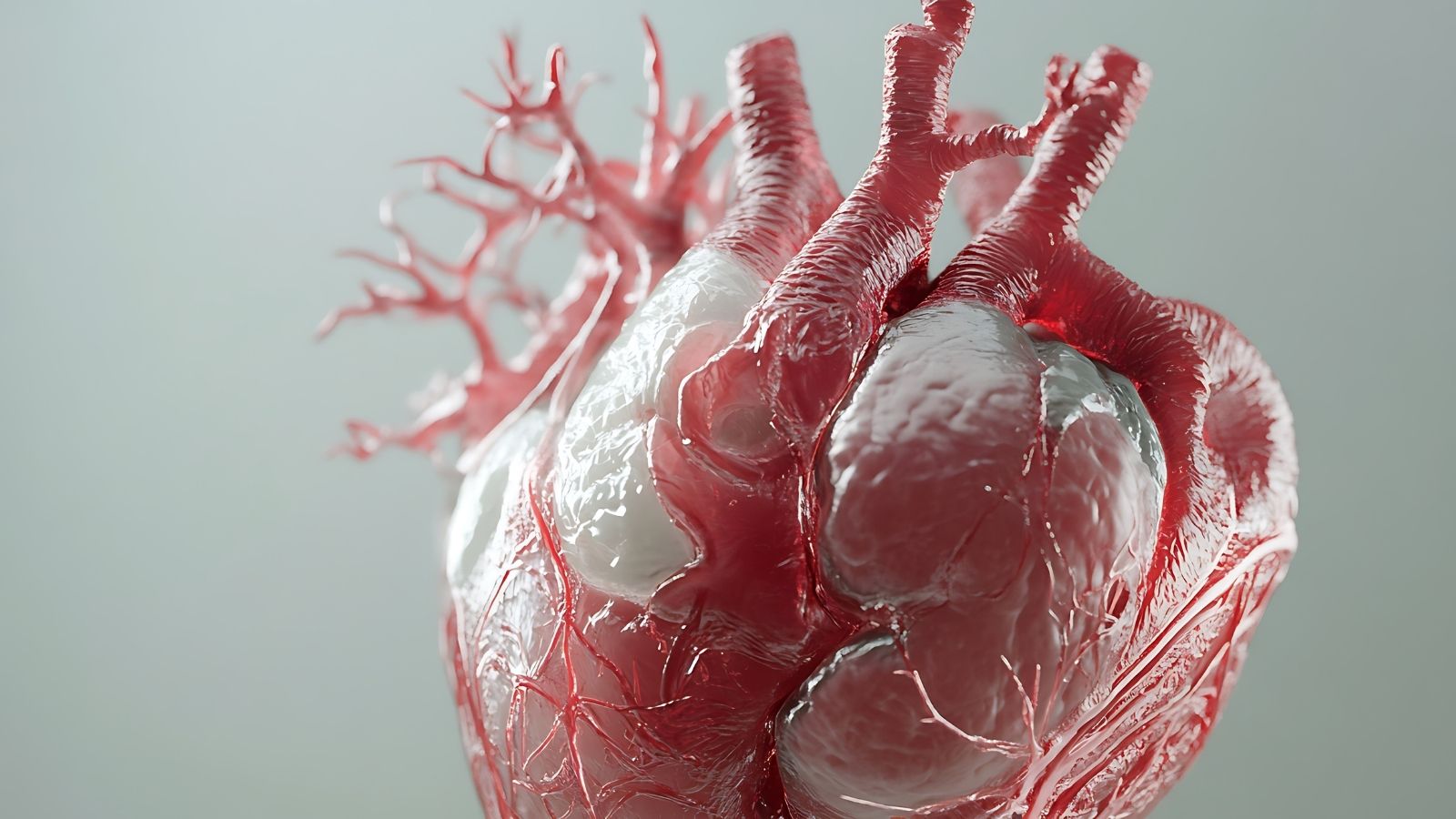
Cardiovascular diseases are a group of cardiovascular disorders that affect the heart muscle, heart valves, and coronary vessels, disrupting blood circulation and potentially affecting quality of life and vital functions. Coronary artery disease, heart failure, arrhythmia, and valve diseases are among the most common clinical conditions in this group.
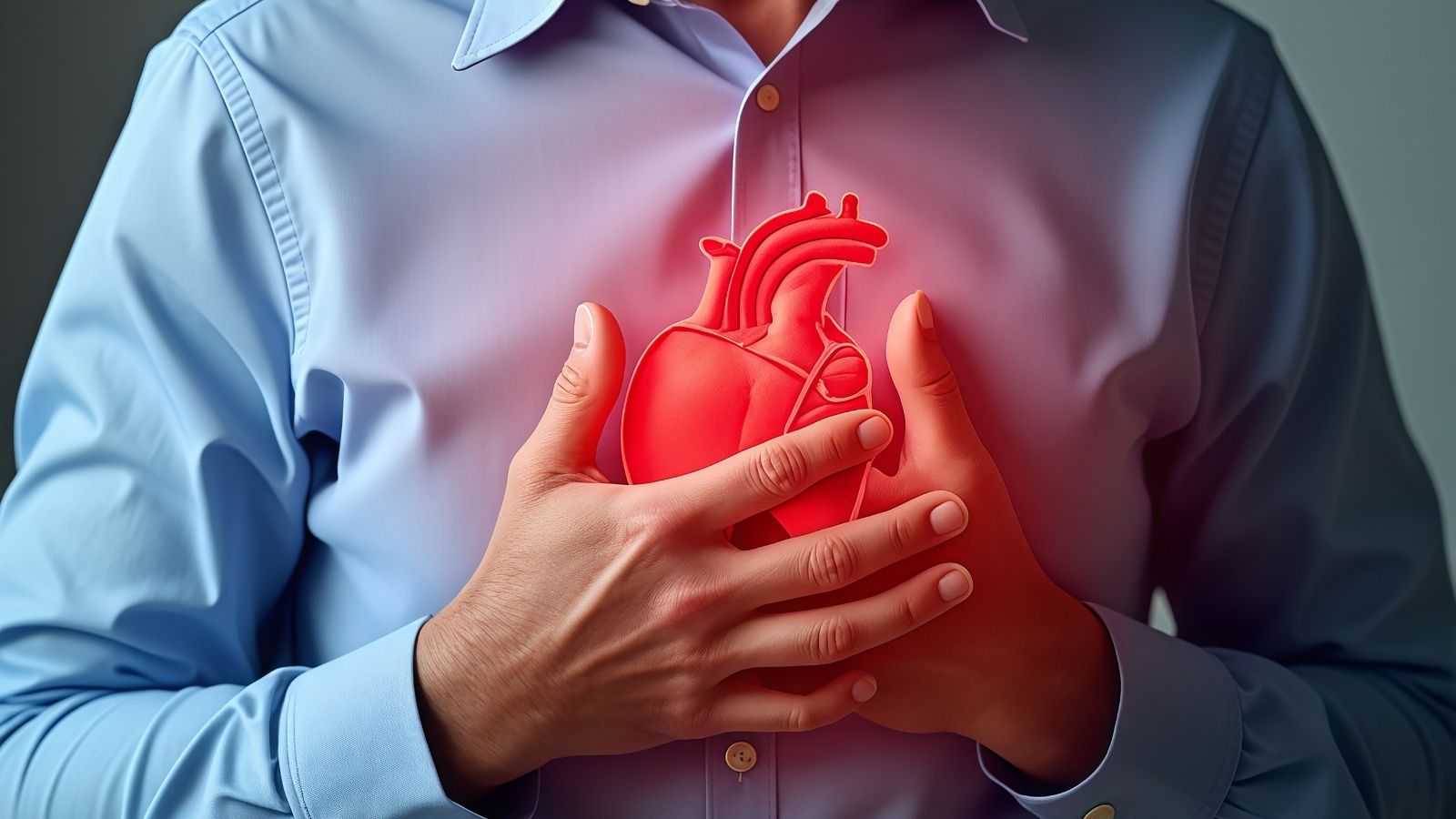
Symptoms of coronary artery disease and other heart conditions usually appear as chest pain, a feeling of pressure in the chest, shortness of breath, and easy fatigue. Pain spreading to the left arm, neck, or jaw due to reduced blood flow is considered among the important clinical indicators that narrowing or blockage has developed in the heart vessels.
Early symptoms of cardiovascular diseases include irregular heartbeat, a feeling of palpitations, dizziness, and shortness of breath that develops during physical activities. In some patients, clinical findings indicating impaired heart function may appear, such as swelling in the ankles, shortness of breath increasing at night, and a marked decrease in exercise capacity.
Risk factors and progressive symptoms of cardiovascular diseases are often associated with hypertension, high cholesterol, diabetes, and smoking. These conditions create structural damage in the heart vessels and may lead to serious cardiovascular complications such as chest tightness, rhythm disorder, sudden fatigue, and heart failure in advanced stages.
| What You Need to Know | Information |
| Coronary Artery Disease (CAD) | It occurs as a result of narrowing or blockage of the coronary arteries that feed the heart. It usually develops due to atherosclerosis (hardening of the arteries). |
| Heart Failure | It is the condition in which the heart cannot pump enough blood to the body. It may be chronic or acute. It can be classified as left or right heart failure. |
| Heart Valve Diseases | Conditions in which the valves in the heart narrow (stenosis), leak (regurgitation), or both occur together. The mitral and aortic valves are most commonly affected. |
| Arrhythmias (Rhythm Disorders) | The heartbeats are irregular, too fast (tachycardia), or too slow (bradycardia). Examples: atrial fibrillation, ventricular tachycardia. |
| Congenital Heart Diseases | These are structural heart defects present from birth. Examples: atrial septal defect, ventricular septal defect. |
| Cardiomyopathy | These are heart muscle diseases. There are hypertrophic, dilated, or restrictive types. They affect the pumping ability of the heart. |
| Pericarditis | Inflammation of the membrane surrounding the heart (pericardium). It may be acute or chronic. Chest pain is the most common symptom. |
| Myocarditis | Inflammation of the heart muscle due to infectious or autoimmune causes. Viral infections are the most common cause. |
| Aortic Aneurysm / Dissection | Formation of a bulge (aneurysm) in the aortic vessel or tearing in the vessel wall (dissection). It carries a life-threatening risk. |
Cardiovascular Diseases
Cardiovascular diseases refer to a series of disorders that affect the heart itself or the blood vessels. These diseases usually occur when the heart’s ability to pump blood effectively is impaired. This condition may result in insufficient oxygen and nutrients reaching the body’s vital organs. Although the heart is a continuously working muscle, it may wear down or become damaged over time due to various factors. These damages may result from many causes such as genetic predisposition, lifestyle choices, the aging process, and environmental factors. Cardiovascular diseases are not a single disease, but a broad group of diseases that may be related to each other or may develop through completely different mechanisms. Each of these diseases has its own specific causes, symptoms, and treatment methods.
- Coronary Artery Disease (CAD)
Coronary artery disease is the narrowing or blockage of the coronary arteries that supply the heart muscle. This narrowing or blockage usually occurs when fatty deposits called plaques accumulate in the arterial walls (atherosclerosis). Plaques may grow over time and obstruct blood flow. When the coronary arteries narrow, enough oxygenated blood cannot reach the heart. This condition may lead to serious problems such as chest pain (angina) or heart attack (myocardial infarction). CAD is one of the most common types of cardiovascular diseases, and its risk generally increases with age. Risk factors such as smoking, high blood pressure, high cholesterol, diabetes, and obesity accelerate the development of CAD. The progression of the disease may be slow and may not cause symptoms for many years.
- Heart Failure
Heart failure is a condition in which the heart cannot effectively pump as much blood as the body needs. This may occur as a result of the heart weakening or stiffening. Heart failure may have a sudden onset (acute) or develop over time (chronic). In people with heart failure, sufficient blood flow cannot be provided to the organs of the body. This leads to symptoms such as fatigue, shortness of breath, and swelling in the legs and ankles. Heart failure is usually the result of another underlying heart disease (for example CAD, high blood pressure, or heart valve problems). This condition may seriously affect quality of life and may be fatal if left untreated. The aim of treatment is to control symptoms, improve the patient’s quality of life, and slow the progression of the disease.
- Arrhythmia (Rhythm Disorders)
Arrhythmia is the condition in which the heart’s beating rate or rhythm is irregular. The heart pumps blood by contracting and relaxing regularly. This regular rhythm is controlled by the electrical system inside the heart. In arrhythmia, a problem occurs in these electrical signals and the heart may beat too fast (tachycardia), too slow (bradycardia), or irregularly. While some arrhythmias may be harmless, others may lead to serious health problems and even sudden death. Atrial fibrillation (AF) is one of the most common types of arrhythmia and increases the risk of stroke. Arrhythmias may result from various causes such as genetic factors, aging, heart diseases, thyroid problems, stress, and some medications. Symptoms may include a feeling of palpitations, dizziness, fainting, and shortness of breath.
- Heart Valve Diseases
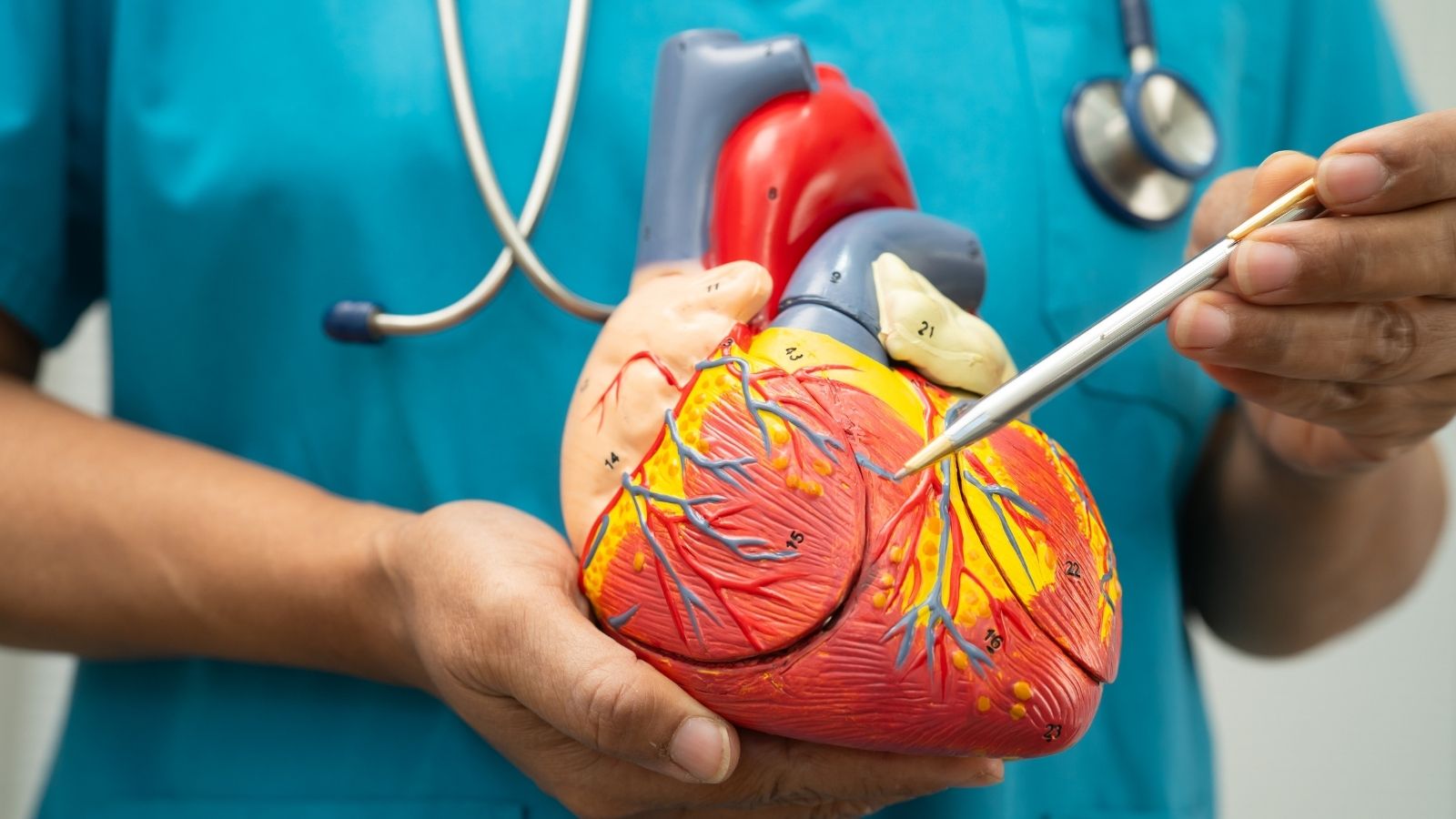
The heart consists of four chambers, and the valves located between these chambers allow blood to flow in one direction. Heart valve diseases are conditions in which these valves do not function properly. These problems may occur as narrowing of the valves (stenosis) or failure to close completely (regurgitation/insufficiency). Narrowed valves make it difficult for blood to pass through and cause the heart to work harder. Valves that do not close completely cause blood to leak backward. This condition increases the workload of the heart and may lead to heart failure over time. Congenital heart valve problems, infections (infective endocarditis), aging, and rheumatic fever may cause heart valve diseases. Depending on the severity of the disease, symptoms may include complaints such as shortness of breath, fatigue, chest pain, and palpitations.
- Pericardial Diseases
The pericardium is a thin, two-layered membrane surrounding the heart. Pericardial diseases include conditions such as inflammation of this membrane (pericarditis) or fluid accumulation (pericardial effusion). Pericarditis may usually develop due to viral infections, after a heart attack, kidney failure, or some autoimmune diseases. Its most prominent symptom is sharp chest pain that increases when taking a deep breath or lying down. This pain usually becomes more severe when coughing or lying back. Pericardial effusion is the accumulation of an abnormal amount of fluid in the pericardial space. This fluid may interfere with the heart’s function and, in serious cases, may lead to compression of the heart (tamponade).
- Congenital Heart Diseases
Congenital heart diseases are structural abnormalities that occur in the baby’s heart or major blood vessels before birth. These diseases may appear as holes in the heart chambers, valve problems, or vascular abnormalities. Mild congenital heart diseases may go unnoticed throughout life or may cause minimal symptoms, while more serious cases are diagnosed immediately after birth or in early childhood. Symptoms may include bluish discoloration (cyanosis), rapid breathing, feeding difficulty, and growth retardation. Thanks to modern medical advances, many congenital heart diseases can be successfully treated.
Common Symptoms of Cardiovascular Diseases
Symptoms of cardiovascular diseases may vary greatly depending on the type and severity of the disease and the person’s general health status. Some cardiovascular diseases, especially in their early stages, may not cause any symptoms. However, in many cases, the body sends certain signals indicating that something is wrong. Recognizing and taking these symptoms seriously is critically important for early diagnosis and treatment. It should be remembered that these symptoms may also indicate other health problems; therefore, a healthcare professional must be consulted for a definitive diagnosis. However, the presence of these symptoms is a sufficient reason to keep the possibility of a heart condition in mind.
- Chest Pain (Angina)
Chest pain is the most well-known and most feared symptom of cardiovascular diseases. However, not every chest pain means a heart attack. Heart-related chest pain (angina) usually occurs when the heart cannot receive enough oxygen. This pain is usually described as a feeling of pressure, tightness, burning, or crushing in the middle of the chest. The pain may spread to the left arm, neck, jaw, or back area. Typical angina pain, which increases with exertion and decreases with rest, is usually an indicator of coronary artery disease. Sudden and severe chest pain, especially if accompanied by shortness of breath, sweating, and nausea, may be a symptom of a heart attack requiring emergency medical intervention.
- Shortness of Breath (Dyspnea)
Shortness of breath may be a sign that the heart cannot pump blood effectively. In heart failure, the person feels shortness of breath because the body cannot receive enough oxygen. This condition may become more pronounced especially during physical activity or while lying down. Fluid accumulation in the lungs (pulmonary edema) is a condition frequently seen in an advanced stage of heart failure and leads to severe shortness of breath. Sudden-onset and severe shortness of breath, especially if accompanied by chest pain, may be a sign of a serious condition requiring emergency medical help. Conditions such as heart attack or pulmonary embolism may cause sudden shortness of breath.
- Palpitations
Palpitations are the person’s feeling of their own heartbeats as strong, fast, or irregular. This condition usually starts suddenly and may last for a few seconds or minutes. Although palpitations are usually harmless, in some cases they may be a symptom of an underlying arrhythmia or another heart condition. Medical evaluation is necessary especially if the feeling of palpitations is accompanied by other symptoms such as dizziness, fainting, or chest pain. Stress, anxiety, caffeine, alcohol, and some medications may also cause temporary palpitations. However, frequently recurring or severe palpitations must be examined by a doctor.
- Fatigue and Weakness
Cardiovascular diseases may cause a general feeling of fatigue and weakness because they affect the body’s energy production and distribution system. The heart’s inability to pump enough blood means that enough oxygen does not reach the muscles and organs. This condition causes the person to feel constantly tired, low in energy, and exhausted. Difficulty performing daily activities and a general state of weakness may be due to various causes such as heart failure, anemia, or thyroid problems. Fatigue that does not go away with rest and gradually increases may be an early sign of a heart condition.
- Edema (Swelling)
Edema is the accumulation of fluid in the body, especially in the legs, ankles, and feet. Heart failure causes blood to pool in the vessels and fluid to leak into the tissues because the heart cannot pump blood sufficiently. This condition becomes especially noticeable later in the day and when standing for long periods. Swelling in the legs may be less in the morning and increase during the day. Sudden and significant swelling may also be a symptom of other serious conditions such as kidney problems or deep vein thrombosis. Therefore, swelling of unknown cause that gradually increases must be evaluated by a doctor.
- Dizziness and Fainting (Syncope)
Dizziness and fainting occur as a result of a temporary decrease in blood flow to the brain. Heart rhythm disorders (arrhythmias) or serious heart valve problems may cause the heart to be unable to pump enough blood and therefore prevent enough blood from reaching the brain. This condition may result in sudden dizziness, a feeling of lightheadedness, or complete fainting (syncope). Fainting that occurs especially during exercise or when standing up may be a symptom of a serious heart condition. Fainting episodes must be investigated in detail by a cardiologist.
- Nausea and Vomiting
In some cases, especially during a heart attack, digestive system symptoms such as nausea and vomiting may also be seen. These symptoms may be more common especially in women and patients with diabetes. The pain and discomfort felt during a heart attack may spread to the stomach area and cause nausea. Therefore, in cases of unexplained nausea and vomiting, especially if there are other risk factors for heart disease, the possibility of a heart attack should also be considered.
- Cold Sweating and Pale Skin
In sudden serious heart conditions such as heart attack, the body comes under stress and the sympathetic nervous system is activated. This condition may lead to symptoms such as cold sweating, paleness, and moistness of the skin. When the heart cannot pump oxygenated blood sufficiently to the body, the body prioritizes vital organs and reduces blood flow to less urgent areas such as the skin. Therefore, sudden and unexplained cold sweating and pale skin may be a sign of a condition requiring emergency medical help.
What Should Be Done in Symptoms of Cardiovascular Diseases?
When you encounter symptoms of cardiovascular diseases, staying calm and taking the right steps instead of panicking is vital. Early intervention may positively affect the course of the disease and save lives. Remember, symptoms may vary from person to person and may sometimes be misleading. Therefore, if you have any suspicion, you should definitely seek professional medical help.
- Take Symptoms Seriously and Do Not Delay
Symptoms such as chest pain, shortness of breath, and palpitations should generally not be ignored. Delaying action with the thought that “it will pass soon” may lead to serious consequences. Especially if the symptoms are severe, started suddenly, or do not go away with rest, seek medical help without wasting time.
- Seek Emergency Medical Help
If the symptoms are severe and there is suspicion of a heart attack (sudden chest pain, spreading to the left arm, shortness of breath, cold sweating), immediately go to the nearest emergency department. Calling an ambulance provides the possibility of early intervention at the scene and speeds up the process of transportation to the hospital.
- Consult Your Doctor
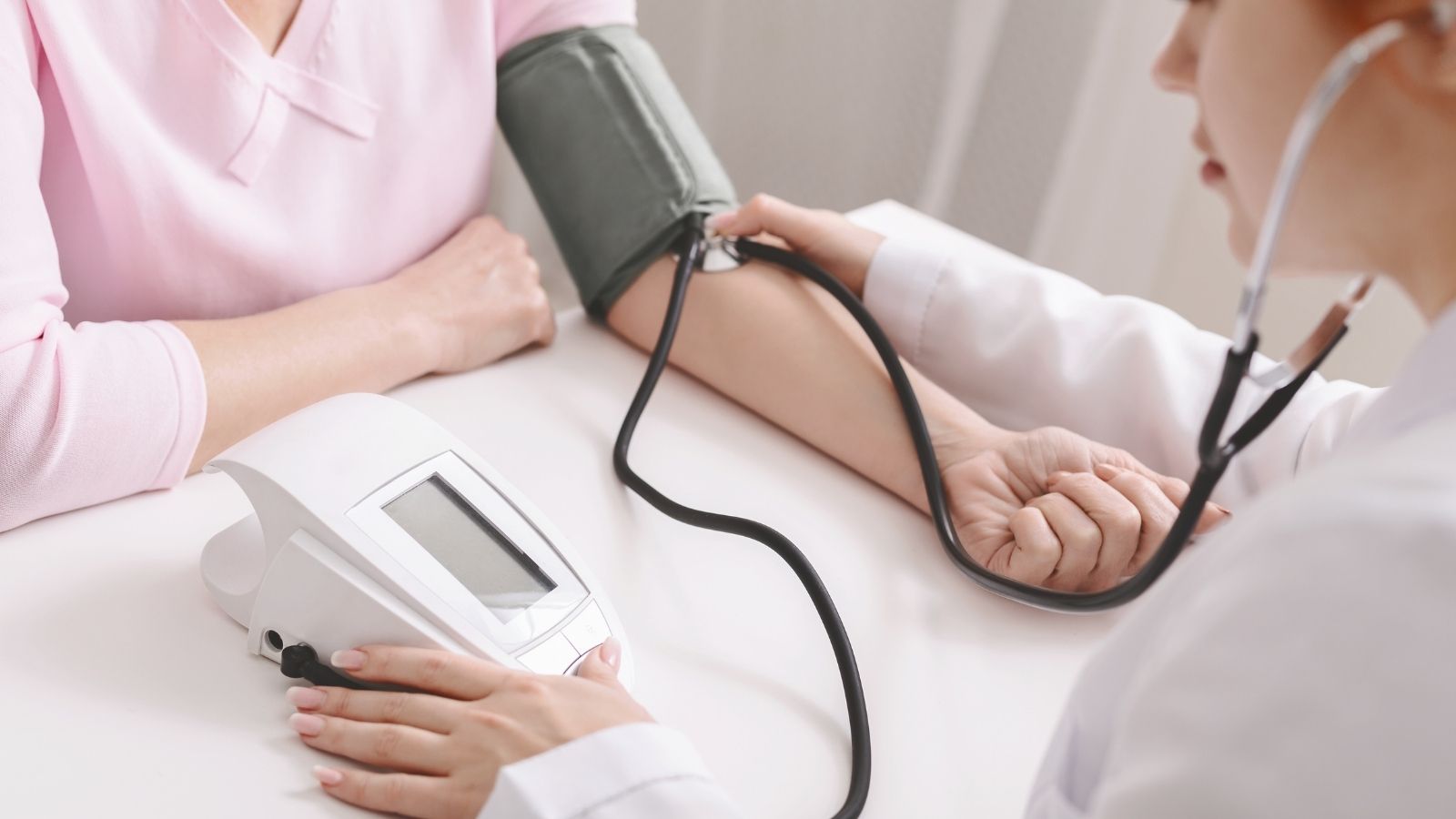
Even if your symptoms are mild or intermittent, it is important to consult a cardiologist or your family physician. Your doctor will take a detailed history, perform a physical examination, and, if deemed necessary, request tests such as ECG, echocardiography, and exercise stress test to make the correct diagnosis.
- Comply with the Examination and Treatment Process
Have the tests recommended by your doctor and, after diagnosis, strictly follow the recommended treatment plan. Use your medications regularly and listen to your doctor’s advice about lifestyle changes.
- Make Lifestyle Changes
Review your dietary habits in line with your doctor’s recommendations, start exercising regularly, quit smoking, limit alcohol consumption, and learn stress management techniques. These changes play a critical role in controlling the disease and slowing its progression.
Frequently Asked Questions
Due to which lifestyle factors can cardiovascular diseases occur?
Smoking, a diet high in salt and saturated fat, a sedentary lifestyle, and chronic stress play an important role in the development of cardiovascular diseases. These factors may seriously affect heart health over time by preparing the ground for atherosclerosis, high blood pressure, and heart rhythm disorders.
How are early symptoms of cardiovascular diseases noticed in daily life?
In the early period, symptoms such as chest tightness, shortness of breath when climbing stairs, easy fatigue, palpitations, and dizziness may be seen. These complaints may be mild at first, but over time they may increase and make it difficult for the person to perform daily activities.
What are the most common causes of cardiovascular diseases seen at a young age?
In young individuals, cardiovascular diseases are mostly associated with genetic predisposition, congenital heart defects, intense stress, obesity, and some metabolic diseases. In addition, energy drinks and smoking may also trigger rhythm disorders and vascular problems.
How can symptoms of cardiovascular diseases in women differ from men?
In women, cardiovascular diseases may often appear as nausea, back pain, extreme fatigue, or shortness of breath instead of classic chest pain. Due to these different symptoms, diagnosis may sometimes be delayed and careful evaluation is required.
What risks do cardiovascular diseases create for the mother and baby during pregnancy?
In women with heart disease during pregnancy, the risk of high blood pressure, rhythm disorders, and heart failure may increase. This condition may affect the health of both the mother and the baby. Therefore, it is important for cardiology and obstetrics specialists to follow up together throughout pregnancy.
What serious complications can untreated cardiovascular diseases lead to?
Untreated cardiovascular diseases may create life-threatening risks such as heart attack, heart failure, stroke, and sudden cardiac arrest. In addition, long-term circulatory disorders may also negatively affect kidney and brain functions.
Which dietary and lifestyle habits are recommended to prevent cardiovascular diseases?
To protect heart health, a diet rich in vegetables, fruits, whole grains, and healthy fats should be preferred. Regular exercise, quitting smoking, maintaining ideal weight, and keeping blood pressure and cholesterol values under control are important protective steps.
What are the surgical treatments applied in advanced-stage cardiovascular diseases?
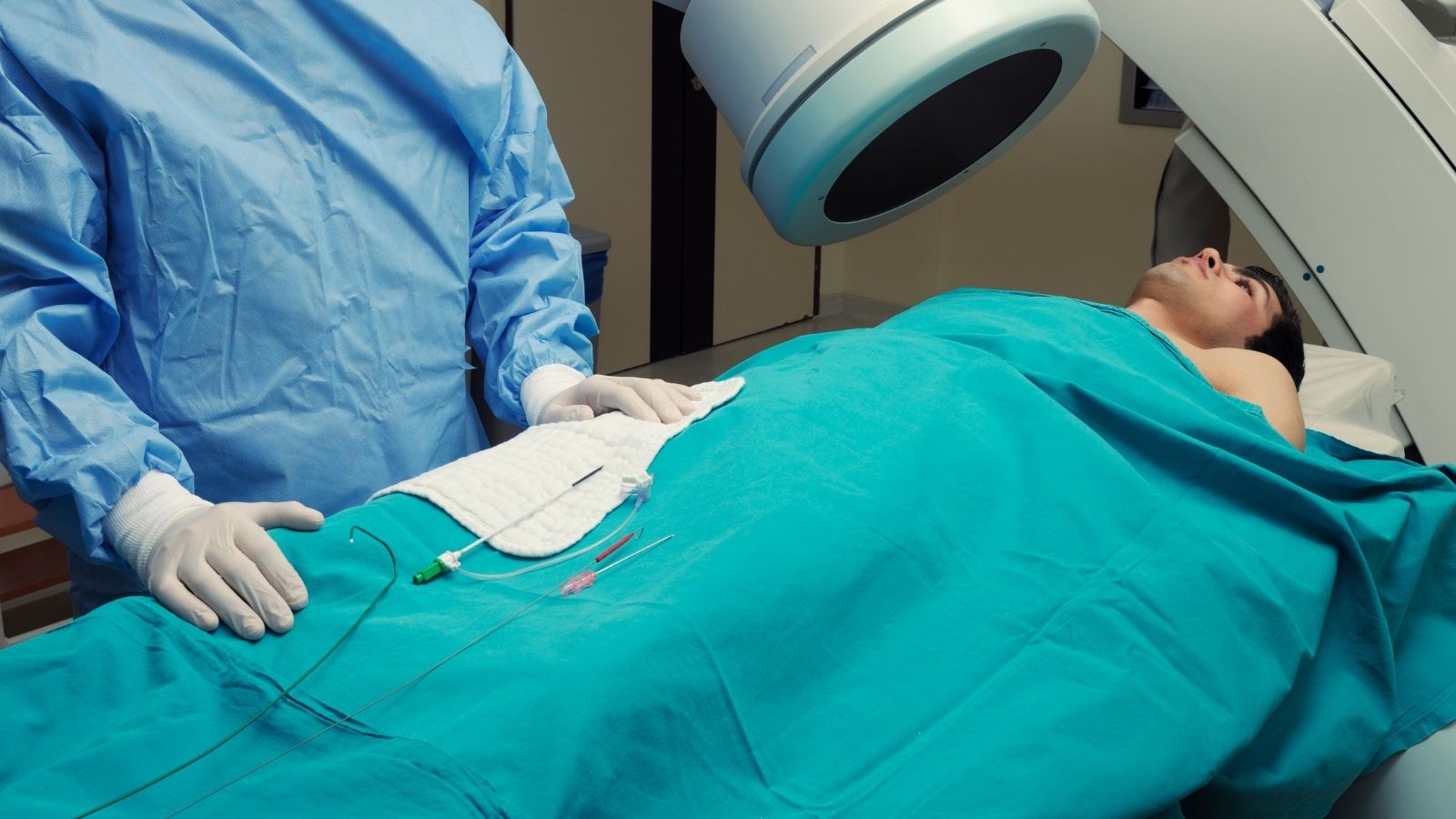
In advanced-stage cardiovascular diseases, coronary bypass surgery, heart valve repair or replacement, and in some cases pacemaker or defibrillator implantation may be applied. These methods aim to improve quality of life by supporting the function of the heart.
How long does the recovery process usually take after heart surgery?
The recovery period after heart surgery varies depending on the type of procedure performed and the patient’s general health condition. Most patients can return to their daily activities within a few weeks, but full recovery and the cardiac rehabilitation process may take several months.
How can psychological effects appear in people with cardiovascular diseases?
Psychological effects such as anxiety, depression, and fear of death may be seen in people diagnosed with heart disease. These emotions may affect the treatment process and quality of life. Psychological support and cardiac rehabilitation programs provide significant benefits in this process.

Prof. Dr. Kadriye Orta Kılıçkesmez is one of the leading figures in the field of Turkish cardiology. She was born on January 24, 1974, in Tekirdağ. After completing her undergraduate education at Istanbul University Cerrahpaşa Faculty of Medicine, she chose cardiology as her specialty and received her specialist training at the Cardiology Institute of the same university. In 2015, she was appointed by the university to establish the Şişli Etfal cardiology clinic and Angio laboratory. Becoming a professor in 2017, Kadriye Kılıçkesmez established the cardiology clinic and Angio laboratory of Prof. Dr. Cemil Taşçı Hospital in 2020 and ensured that the clinic became a training clinic.