Türkçe
 Français
 Deutsch
 Italiano
 Español
The difference between Cardiology and Cardiovascular Surgery is evident in the nature of diagnostic and treatment methods. While Cardiology carries out the diagnosis and treatment of heart and vascular diseases with medication and interventional methods, Cardiovascular Surgery is the field of specialization that treats structural heart and vascular diseases requiring surgical intervention through operations.
The question of which diseases Cardiology deals with includes clinical conditions such as hypertension, coronary artery disease, cardiac rhythm disorders, and heart failure. Cardiologists use diagnostic methods such as ECG, exercise testing, echocardiography, and angiography to plan medical treatment and regularly monitor the course of the disease.
The question of when Cardiovascular Surgery is necessary is related to advanced vascular occlusions, valve diseases, and congenital heart anomalies. Operations such as bypass surgery, valve replacement, and aortic surgery are performed by surgeons under general anesthesia and in operating room conditions.
The division of duties between a cardiologist and a cardiovascular surgeon requires a multidisciplinary approach. In the diagnostic process, the cardiologist performs the evaluation; when a surgical necessity is identified, the patient is referred to the cardiovascular surgeon. The treatment plan is determined jointly according to the patient’s clinical condition and risk factors.
What Is Cardiology and Which Diseases Does It Deal With?
Cardiology is an internal medicine specialty that deals with the diagnosis, follow-up, and mostly medical (drug) treatment of diseases of the heart and circulatory system. Cardiologists receive Cardiology training after graduating from medical school.
Common diseases encountered in cardiology practice include:
- Coronary artery disease (narrowing or blockage of the vessels that supply the heart)
- Hypertension (high blood pressure)
- Heart failure
- Cardiac rhythm disorders (arrhythmias)
- Heart valve diseases
- Cardiomyopathies (heart muscle diseases)
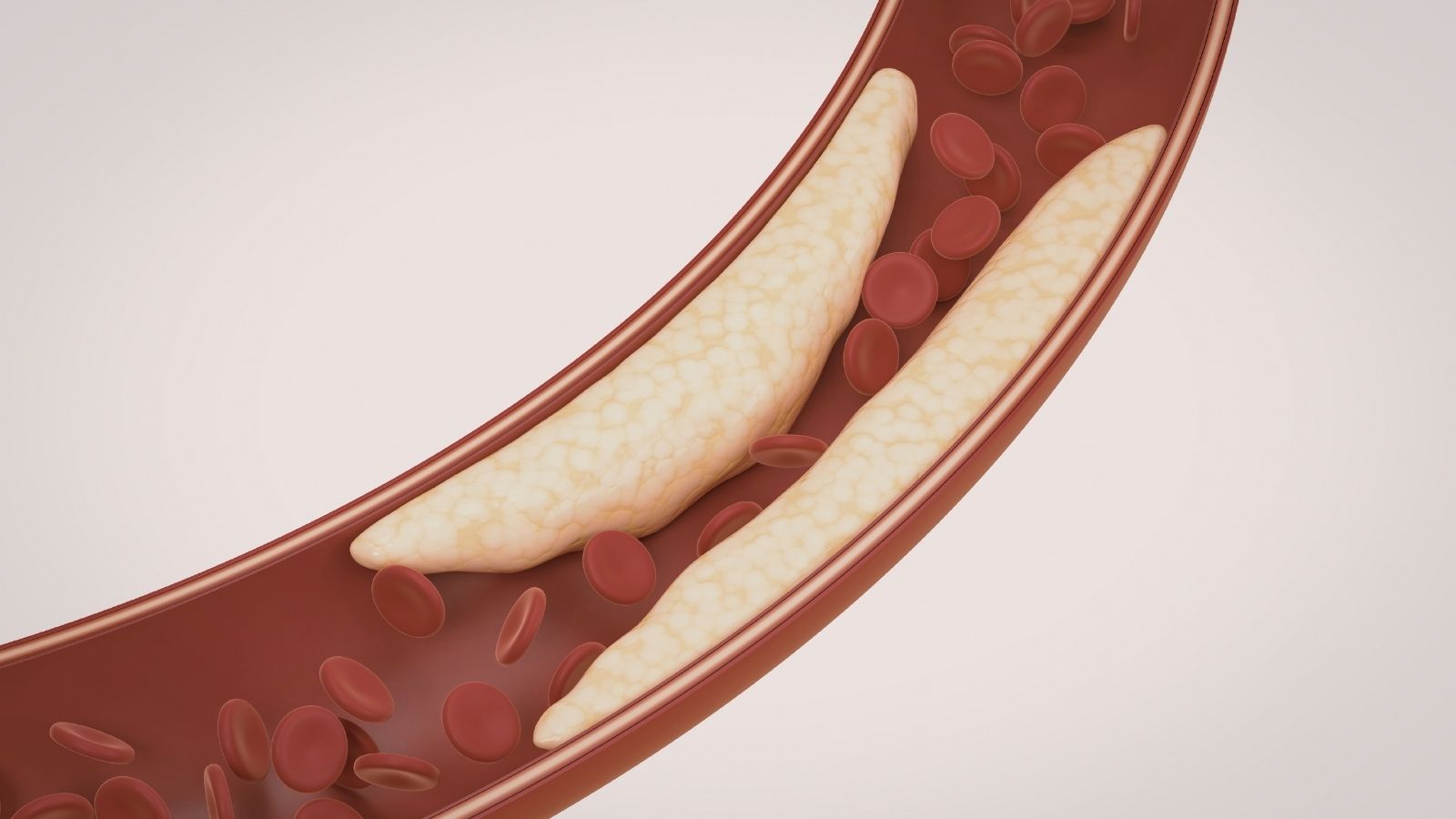
The basis of these diseases generally involves atherosclerosis (hardening of the arteries), myocardial dysfunction (the heart muscle not contracting sufficiently), or problems in the electrical conduction system. Cardiologists use detailed history taking, physical examination, and advanced diagnostic methods to evaluate these pathophysiological processes.
Diagnostic Methods in Cardiology
The main diagnostic methods used in cardiology practice are:
- Electrocardiography (ECG): Records the electrical activity of the heart.
- Echocardiography (ECHO): Provides structural and functional evaluation of the heart with the help of ultrasound.
- Exercise test: Examines the heart’s response during physical activity.
- Holter monitoring: 24-hour rhythm or blood pressure monitoring is performed.
- Coronary angiography: Enables visualization of the coronary vessels.
Although coronary angiography is an invasive (interventional) procedure, it is not a surgical operation. It is performed by cardiologists, and when necessary, interventional cardiology procedures such as stent placement can also be carried out.
Treatment Approaches in Cardiology
The basis of cardiology treatment is medical therapy. Antihypertensive drugs, anticoagulants (blood thinners), antiarrhythmics, and pharmacological agents used in heart failure treatment are frequently used options.
In some cases, interventional cardiology methods come into play. For example:
- Balloon angioplasty
- Stent implantation
- Pacemaker implantation
Although these procedures are performed under operating room conditions, they are generally not open surgery. However, in cases where vascular occlusion is widespread or structural heart disease is advanced, surgical treatment may be required. At this point, Cardiovascular Surgery comes into play.
What Is Cardiovascular Surgery and When Is It Necessary?
Cardiovascular Surgery (Cardiothoracic and Vascular Surgery) is a surgical specialty that performs the surgical (operative) treatment of diseases of the heart and major vessels. Specialists in this field receive direct surgical specialty training after medical school.
The main conditions Cardiovascular Surgery deals with include:
- Advanced coronary artery disease requiring coronary bypass surgery
- Advanced heart valve diseases (valve repair or replacement)
- Aortic aneurysm (enlargement of the main artery)
- Peripheral artery disease (leg vessel occlusions)
- Carotid artery stenosis (narrowing of the vessel going to the brain)
In these diseases, the pathology is generally at an anatomical and structural level. For example, in severe valve regurgitation, the valve tissue is damaged; drug therapy may relieve symptoms, but it does not correct the valve structure. In such cases, surgical intervention is considered.
Surgical Approaches
The methods applied in cardiovascular surgery vary according to the type of disease:
- Coronary artery bypass grafting (CABG)
- Valve repair or prosthetic valve replacement
- Aortic surgery
- Endarterectomy (removal of plaques inside the vessel)
While some procedures are performed as open-heart surgery, some can be performed with minimally invasive techniques. However, which method is appropriate is determined by considering the patient’s age, accompanying diseases, heart functions, and overall health status.
Key Differences Between Cardiology and Cardiovascular Surgery
The common point of both specialties is that they deal with heart and vascular diseases. However, the main distinction emerges in the treatment approach:
- Cardiology: Applies diagnosis and treatment with internal medicine and interventional methods.
- Cardiovascular Surgery: Corrects structural problems with surgical techniques.
For example, a patient presenting with chest pain is first evaluated by a cardiology specialist. If tests reveal severe multivessel coronary artery disease, the patient may be referred to cardiovascular surgery.
In this process, there is close cooperation between the specialties. Today, the “heart team” approach has been adopted. The cardiologist and the cardiovascular surgeon jointly evaluate the patient’s clinical condition and plan the most appropriate treatment strategy.
In Which Situations Should Patients Consult Which Specialty?
When complaints such as chest pain, shortness of breath, palpitations, or fainting are present, the first point of contact is generally cardiology. The cardiologist performs the necessary examinations to plan medical treatment or evaluate the need for surgery.
Patients who have already been diagnosed and advised to undergo surgery may be referred directly for a cardiovascular surgery evaluation. However, the process is individual for each patient; a standard referral scheme is not always valid.

Prof. Dr. Kadriye Orta Kılıçkesmez is one of the leading figures in the field of Turkish cardiology. She was born on January 24, 1974, in Tekirdağ. After completing her undergraduate education at Istanbul University Cerrahpaşa Faculty of Medicine, she chose cardiology as her specialty and received her specialist training at the Cardiology Institute of the same university. In 2015, she was appointed by the university to establish the Şişli Etfal cardiology clinic and Angio laboratory. Becoming a professor in 2017, Kadriye Kılıçkesmez established the cardiology clinic and Angio laboratory of Prof. Dr. Cemil Taşçı Hospital in 2020 and ensured that the clinic became a training clinic.