Türkçe
 Français
 Italiano
After the TAVI procedure, patients should primarily take the prescribed medications without interruption, keep the treated area clean and dry, avoid strenuous physical activities that tire the body during the first weeks, and pay maximum attention to general body hygiene against possible infections. Transcatheter aortic valve implantation treatment, which is performed for heart valve stenosis without opening the chest, offers a very rapid recovery advantage. However, the lifestyle adopted after discharge plays a major role in sustaining the achieved health for many years. Correctly interpreting the signals given by the body during the post-hospital period and gradually adapting to the heart’s new working pattern form the foundation of this entire recovery process.
What Happens During the Intensive Care Process After TAVI?
Immediately after the procedure, patients are taken to the coronary intensive care unit so that vital signs can be monitored much more closely and continuously. This environment is equipped with special devices to ensure that the critical first few hours are managed safely. The patient’s heart rhythm, blood pressure, and respiratory values are continuously monitored through monitors. As the effects of the medications or anesthesia administered to relax the patient during the procedure wear off, patients are expected to breathe comfortably on their own. During this awakening and recovery process, keeping blood pressure values balanced is one of the most important factors facilitating the heart’s adaptation to the new valve. The aim is to prevent blood pressure from being either too high or too low. During the initial evaluations, an electrocardiogram (ECG) is performed to record the electrical condition of the heart. When everything proceeds normally, this close monitoring process in intensive care is generally completed within one or two days, and the patient’s condition becomes more stable.
The basic findings recorded hourly by nurses in intensive care are as follows:
- Blood pressure
- Heart rate
- Respiratory rate
- Blood oxygen level
- Body temperature
Why Is the Vascular Access Site in the Groin So Important After TAVI?
In this treatment method, the new valve is usually advanced to the heart through the main artery located in the groin area. The femoral artery is one of the large vessels in the body where blood pressure is high. After the procedure is completed, this access site is closed from the inside with special devices without placing external stitches. Frequent monitoring of this area throughout intensive care and ward follow-up is of great importance in preventing blood from accumulating under the skin or leaking outside the vessel. Smooth healing of the wound site in the groin supports the patient’s ability to get back on their feet and move earlier. Sometimes patients may bend their legs too early due to drowsiness or reflex. Since such movements may put pressure on the vascular access site, patients are specifically asked to pay attention to their leg position during the first days.
The conditions closely monitored and checked at the access site are as follows:
- Bleeding
- Swelling
- Bruising
- Pain
- Hardness
Why Should Neurological Status Be Evaluated Frequently After TAVI?
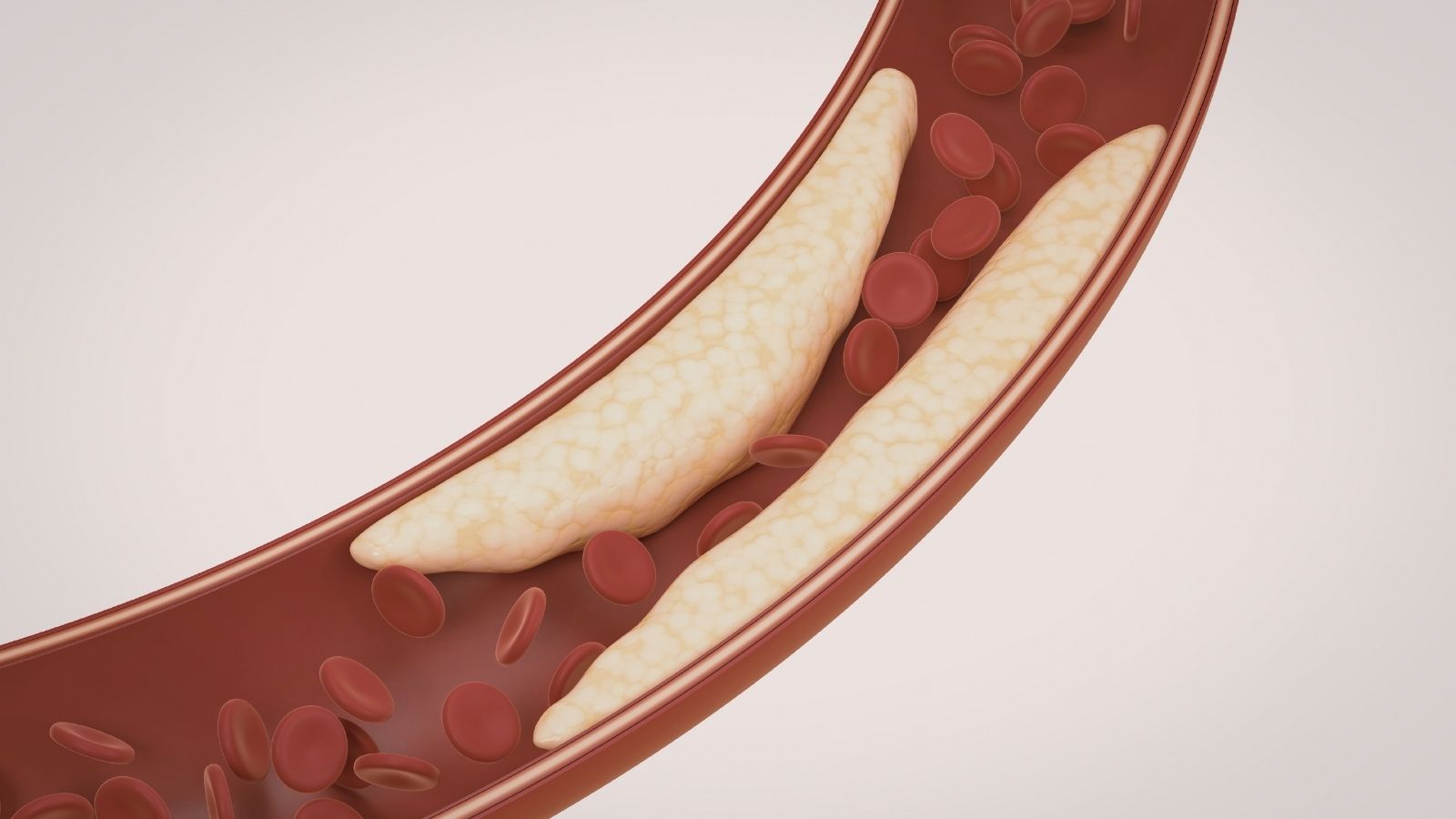
Calcified layers that have accumulated over the years are present on the diseased and narrowed old heart valve. During the procedure, while the new valve is being placed, there is always a possibility that very small particles may break off from these calcified tissues or the vessel wall and enter the bloodstream. Such small clots or calcium fragments that may reach the cerebral vessels through blood flow can cause certain neurological problems. Although this possibility is low, detecting it early and intervening rapidly are of vital importance. For this reason, starting from the first hours in intensive care, the patient’s general consciousness, communication with the surroundings, and physical responses are tested frequently. It is assessed whether there is any loss of movement or asymmetry. Although these checks are brief enough not to disturb the patient, they play a very critical role in ensuring the safety of the recovery process.
The basic functions checked during neurological evaluation are as follows:
- Pupil reflexes
- Arm strength
- Leg movements
- Speech fluency
- Level of consciousness
How Is the Transition Made to Ward Follow-Up and Discharge After TAVI?
Patients whose basic vital functions have stabilized in intensive care and who feel better are transferred to regular clinical ward rooms. This transition is an important indicator that the recovery process is progressing well. In the ward room, the heart rhythm continues to be monitored with remotely connected devices. During this period, fluid accumulation may occur in the body as the heart muscle adapts to the new condition. To detect this edema, which may be a sign of heart failure, at an early stage, body weight is monitored every day at the same time. In addition, getting out of bed early and beginning light walks accelerate blood circulation and reduce the risk of clot formation in the leg veins. Patients are generally encouraged to take short walks in the corridor accompanied by their attendants and nurses. When the process progresses without complications, discharge planning is made within a few days after the procedure, and preparations for returning home begin.
The parameters monitored daily during ward follow-up are as follows:
- Body weight
- Urine output
- Exercise capacity
- Rhythm regularity
- Appetite
Which Blood-Thinning Medications Are Needed After TAVI?
The most delicate balance after the TAVI procedure is established between the tendency of the blood to clot and the risk of bleeding. Over time, the metal frame and biological leaflets of the newly implanted valve are covered by the body’s own cells and become a natural surface. Until this process is completed, the use of blood-thinning medications is recommended to prevent clot formation on the valve. However, since elderly patients may be prone to bleeding in areas such as the stomach or intestines, the dose and type of medication to be used are determined specifically for each patient. Generally, in patients without another heart condition such as a rhythm disorder, long-term use of a single blood-thinning medication may be preferred. If the patient has previously had a stent placed in the heart or uses a specific rhythm medication, the prescription is updated accordingly. To protect against possible stomach sensitivity, stomach-protective medications are also generally added to the treatment, with the aim of providing a more comfortable recovery period.
The general purposes of blood-thinner use are as follows:
- Preventing clotting
- Reducing the risk of bleeding
- Protecting the stomach
- Improving treatment adherence
- Prolonging valve life
What Is the Risk of Clot Formation on the New Valve After TAVI?
Sometimes, even though patients do not feel any noticeable complaints, a very thin clot layer at the cellular level may be detected on the leaflets of the new valve during routine heart ultrasound examinations (echocardiography). This condition may affect the opening and closing flexibility of the valve to a very slight degree. This condition, which often progresses silently, once again demonstrates how valuable follow-up appointments are. If such thickening is noticed when the valve movements are examined in detail with echocardiography, minor adjustments can be made to the blood-thinning treatment plan. Rearranging the medication treatment may help dissolve this thin layer on the valve and allow the valve to function again with the expected performance. In this way, the problem can be resolved without the need for any additional surgical intervention.
The benefits that regular follow-up may provide at this stage are as follows:
- Monitoring valve mobility
- Providing early diagnosis
- Adjusting medication dosage
- Measuring valve performance
- Maintaining long-term success
Why May a Permanent Pacemaker Be Needed After TAVI?
The heart has its own natural electrical system that enables it to contract regularly and in harmony. These electrical conduction pathways pass anatomically very close to and immediately beneath the aortic valve. During the TAVI procedure, the metal frame of the new valve, which expands to open the narrowed area, may physically contact these conduction pathways or create temporary pressure in that region. This pressure may slow down or block the transmission of the heart’s electrical signals, causing the heart rhythm to decrease. In many patients, this condition is related to temporary edema and may be expected to resolve spontaneously within a few days. However, if the slowing of conduction becomes permanent and the patient’s heart rate cannot reach the desired level, the placement of a permanent pacemaker may be considered to keep the heart rhythm at a safe level. This is a known and manageable process after TAVI.
The main factors that may affect the conduction pathways are as follows:
- Size of the new valve
- Density of calcification in the procedure area
- The patient’s existing rhythm condition
- Depth at which the valve is positioned
- Physical pressure in the area
Which Rules Should Be Followed If a Permanent Pacemaker Is Implanted After TAVI?
If a pacemaker needs to be implanted due to slowing of the heart’s electrical conduction, this is generally performed under local anesthesia by creating a small pocket under the skin just below the collarbone. The first few weeks are very important for the thin wires extending from the pacemaker to the heart (electrodes) to attach to the heart muscle and remain in place. During this period, following certain movement restrictions accelerates recovery. To protect the pacemaker implantation site from infection, attention should be paid to wound care, and the area should be kept clean and dry. The pacemaker identification card given to patients provides guidance during security screenings or medical imaging procedures. Since strong electromagnetic fields may affect the pacemaker’s operating pattern, patients are asked to stay away from certain devices.
The precautions recommended for patients with a pacemaker are as follows:
- Not raising the arm above shoulder level
- Not applying pressure to the pacemaker area
- Keeping the wound site dry
- Staying away from security gates
- Carrying the pacemaker identification card
How Is the Condition of the Heart Valve Monitored in the Long Term After TAVI?
Biological tissue valves implanted with the TAVI method have the capacity to serve the patient for many years. Although this may vary from patient to patient, the general durability period of these valves is quite long. To ensure that this process continues in the healthiest way, regular heart ultrasound (echocardiography) follow-ups are scheduled in the outpatient clinic. Patients are generally evaluated one month after discharge, then at the sixth month, and once a year thereafter. During these examinations, how easily the new valve opens, the level of resistance encountered by the blood while passing through the valve, and the overall contraction strength of the heart are calculated. The ultrasound procedure is completely painless and effortless and can objectively demonstrate the aging process of the valve over the years. If natural deterioration or calcification occurs in the valve years later, advanced technological options are now available, such as placing a new valve inside the old valve using exactly the same method instead of performing open surgery again.
The areas evaluated during echocardiography follow-ups are as follows:
- Valve opening area
- Blood pressure gradient
- Strength of the heart muscle
- Possible blood leaks
- Sizes of the heart chambers
How Is Leakage Around the Valve Treated After TAVI?
The calcifications accumulated on the patient’s original aortic valve generally have an asymmetrical and irregular structure. When the newly implanted circular valve with a metal frame is positioned within this irregular and calcified tissue, millimetric gaps may sometimes remain. A very mild level of backward blood leakage from the edges of the valve is commonly encountered and generally does not harm the patient. However, if this leakage is moderate or severe, the workload of the heart may increase because some of the blood that the heart should pump returns backward, or red blood cells may be physically damaged while passing through these narrow gaps. This condition, which may cause symptoms such as shortness of breath or anemia, can be corrected without surgery using special methods. The small opening where the leakage is located is again reached through an angiographic method, tiny umbrella-like plugs are placed, and the aim is to greatly prevent the leakage and relieve the heart.
The main problems that leakage may cause are as follows:
- Weakness
- Easy fatigue
- Shortness of breath
- Anemia
- Sensation of palpitations
What Should Be Done to Protect the Heart Valve From Infections After TAVI?
The possibility that bacteria present in the bloodstream may attach to a newly implanted foreign surface in the body, namely the heart valve, and cause infection should always be considered. This condition, called infective endocarditis, is rare but may lead to very serious consequences. The most common route through which bacteria enter the bloodstream is related to oral and dental health problems. During procedures that may cause bleeding, such as tooth extraction, root canal treatment, and dental scaling, bacteria can easily enter the bloodstream. Therefore, individuals who have undergone TAVI are advised to pay much more attention to oral hygiene than usual. Before any dental intervention or surgical procedure, a short-term dose of antibiotics taken on the recommendation of a physician to protect the valve may prevent bacteria from attaching to the valve.
Routine habits aimed at reducing the risk of infection are as follows:
- Regular tooth brushing
- Using dental floss
- Routine dental check-ups
- Taking antibiotics before an intervention
- Having skin infections treated promptly
How Is Daily Life at Home Adapted to After TAVI?
Being discharged from the hospital and returning home is one of the most relieving yet care-demanding stages of the recovery process. After this change experienced by the body, a mild feeling of fatigue during the first weeks is normal. The heart muscle needs rest while adapting to the new and easier blood flow. During this period, patients are advised to avoid heavy household chores, high-intensity sports, or carrying heavy objects. The return to daily life should be slow and gradual. Short walks inside the home and on level surfaces are supportive both psychologically and physically for circulation. To avoid straining the wound site in the groin, attention should be paid to sudden bending and standing movements. In terms of nutrition, avoiding excessive salt consumption reduces the fluid burden on the heart and facilitates adaptation to its new working pattern. Providing psychological support to patients and ensuring that family members are understanding during this adaptation process greatly improve recovery motivation.
The daily living rules expected to be followed at home are as follows:
- Not lifting heavy loads
- Taking light walks
- Restricting salt consumption
- Taking medications on time
- Becoming active gradually
Which Emergency Symptoms Require Hospital Admission After TAVI?
It is very important for patients returning home after treatment to correctly interpret the signals given by their bodies. When certain specific symptoms that are explained in detail before discharge occur, applying to the nearest healthcare institution or physician instead of waiting at home is the golden rule of a safe recovery process. Although patients generally recover in a short time, certain unexpected situations that may affect the course of recovery can develop. Early diagnosis of such conditions is a critical step in preventing possible major problems. These symptoms, for which medical support should be obtained without delay, should be regarded as the body’s call for help. Awareness of these matters among patients and their relatives contributes to a much more peaceful and controlled recovery period.
The symptoms requiring hospital admission without delay are as follows:
- Chest pain
- Severe shortness of breath
- Fainting
- Sudden dizziness
- Bleeding from the groin
- Sudden swelling in the groin
- High fever
Frequently Asked Questions
After TAVI, medications should be used regularly, the groin area should be kept clean, heavy lifting should be avoided, and medical check-ups should not be neglected. If sudden chest pain, shortness of breath, or bleeding develops, a healthcare institution should be consulted without delay.
Most patients can gradually return to their daily activities within a few days. However, the period recommended by the doctor should be observed before performing heavy physical work or intense exercise, and the recovery process should be evaluated individually.
Blood thinners and other heart medications prescribed by the doctor should be used regularly after TAVI. Taking the medications at the recommended dose contributes to reducing the risk of clot formation and valve-related complications.
The groin area should be kept clean and dry and checked regularly for redness, swelling, discharge, or bleeding. If unexpected changes are noticed at the access site, a doctor should be consulted.
Salt consumption should be limited, and a balanced diet rich in vegetables, fruits, whole grains, and healthy protein sources should be preferred. Adequate fluid intake according to the doctor’s recommendation should also not be neglected.
If symptoms such as severe chest pain, shortness of breath, fainting, high fever, heavy bleeding in the groin area, or sudden swelling in the leg develop, emergency medical services should be contacted without delay.
Light walking may generally be recommended during the early period. The duration and intensity of exercise should be increased gradually according to the patient’s general condition and the evaluation of the cardiologist.
During follow-up visits, the function of the heart valve, heart rhythm, and overall heart health are evaluated. Possible problems can be detected at an early stage through echocardiography and other necessary tests, allowing appropriate treatment to be planned.
Attention should be paid to personal hygiene, the intervention site should be kept clean, and a doctor should be consulted if fever or signs of infection develop. Antibiotic use may be required before certain procedures, and the doctor’s recommendations on this matter should be followed.
Smoking should be avoided, ideal body weight should be maintained, regular physical activity should be performed, and blood pressure and diabetes should be kept under control. Healthy lifestyle habits may support heart health and contribute to the long-term success of treatment.

Prof. Dr. Kadriye Orta Kılıçkesmez is one of the leading figures in the field of Turkish cardiology. She was born on January 24, 1974, in Tekirdağ. After completing her undergraduate education at Istanbul University Cerrahpaşa Faculty of Medicine, she chose cardiology as her specialty and received her specialist training at the Cardiology Institute of the same university. In 2015, she was appointed by the university to establish the Şişli Etfal cardiology clinic and Angio laboratory. Becoming a professor in 2017, Kadriye Kılıçkesmez established the cardiology clinic and Angio laboratory of Prof. Dr. Cemil Taşçı Hospital in 2020 and ensured that the clinic became a training clinic.