Türkçe
 Français
 Italiano
The main difference between TAVI and aortic valve surgery is whether the chest is opened and whether the procedure is performed without stopping the heart. TAVI (Transcatheter Aortic Valve Implantation) is a closed, minimally invasive treatment performed by advancing a thin catheter through the groin artery without stopping the heart. Traditional aortic valve surgery, on the other hand, is an open surgical procedure that requires opening the breastbone, completely stopping the heart, and transferring circulation to a heart-lung machine. These two methods, selected according to the patient’s overall health condition, differ in terms of the type of anesthesia used, the extent of physical trauma to the body, and the speed of returning to daily life after the procedure.
What Is the Function of the Aortic Valve and Why Does the Need for Aortic Valve Surgery Arise?
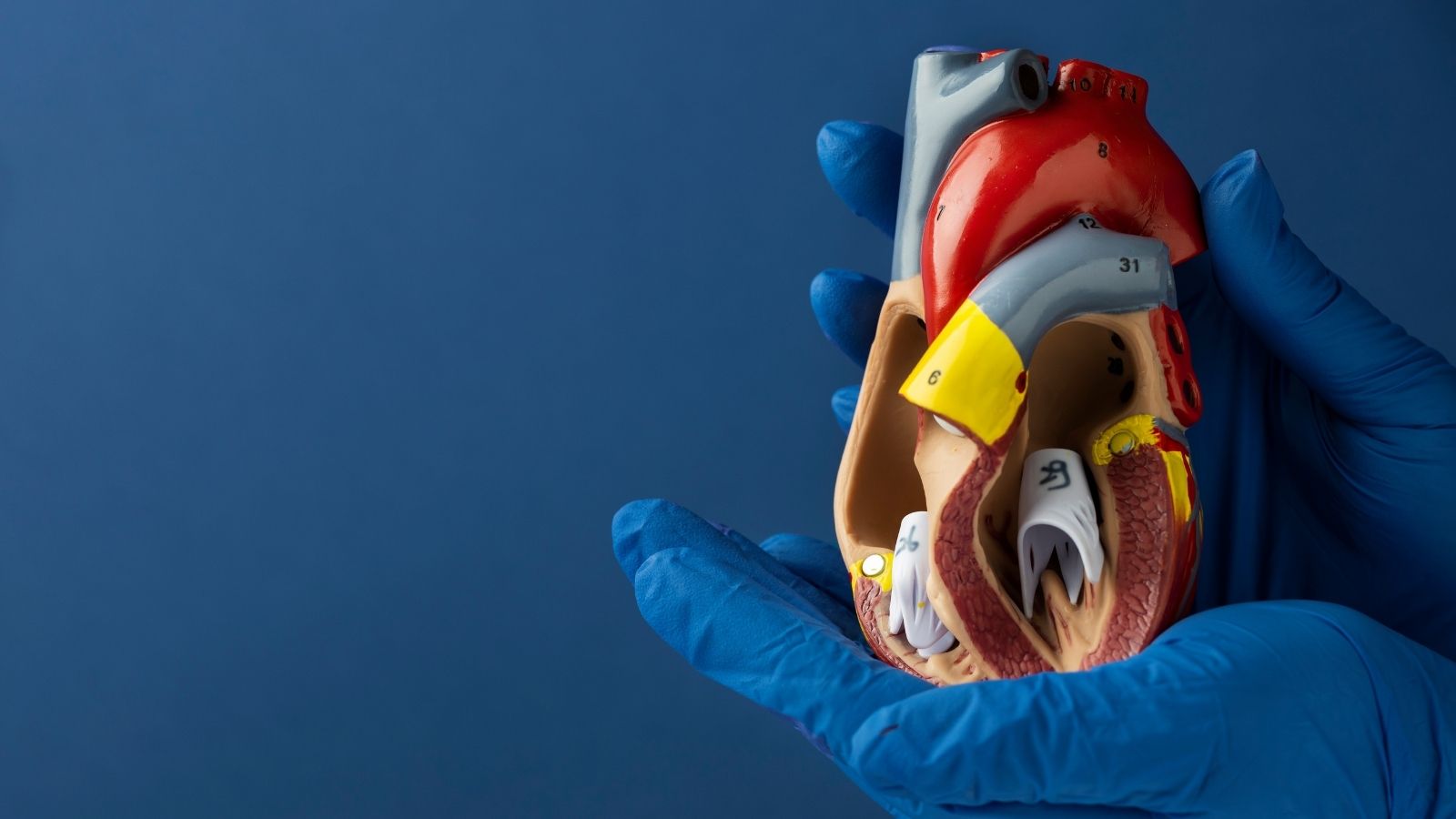
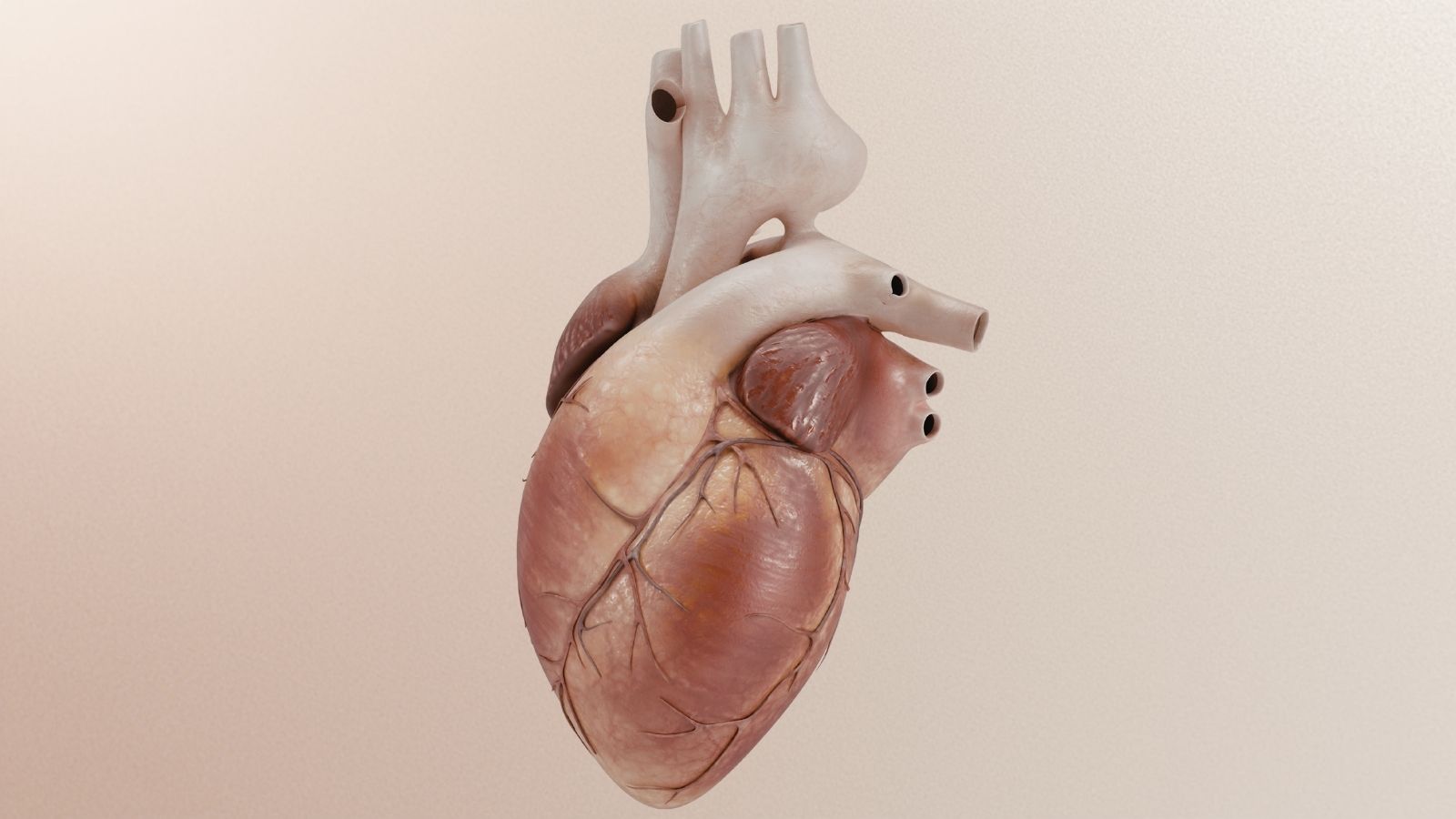
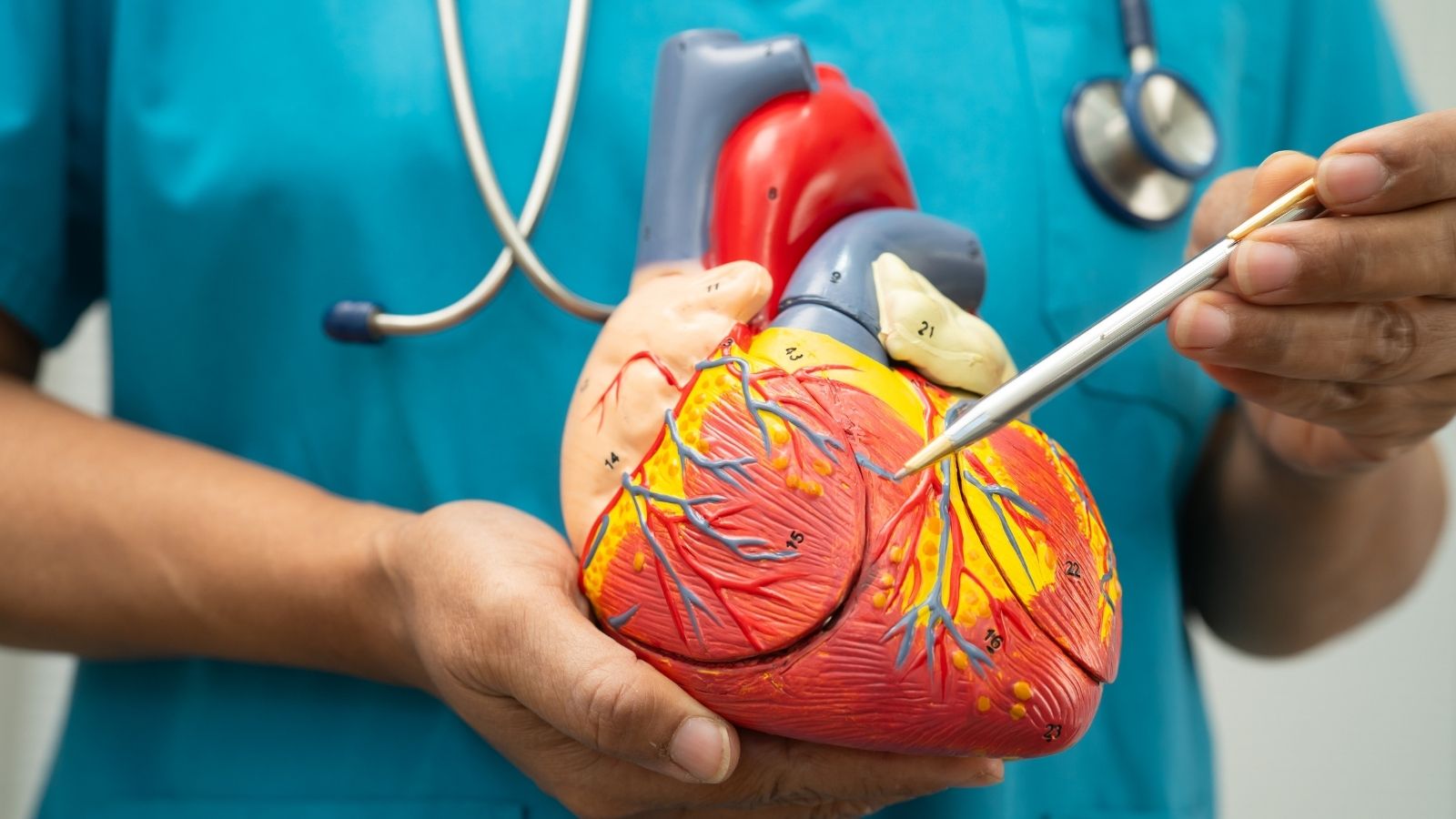
The heart is a remarkable muscular organ responsible for delivering oxygen-rich blood to all the body’s organs. Between the left ventricle, the largest chamber of this pump, and the aorta, the main artery distributing blood throughout the body, is a structure that ensures blood flows in only one direction. This thin, flexible, three-leaflet structure, which fully opens and closes with each heartbeat, is called the aortic valve. The aortic valve functions like the main exit door of the heart. Over the years, with the effects of aging, calcium deposits, known as calcification, may accumulate on this valve. As a result of this calcification, the valve leaflets become thicker, stiffer, and begin to adhere to each other.
When the valve cannot open properly, the heart must generate much higher pressure than before to pump the same amount of blood throughout the body. Over time, this excessive workload causes the heart muscle to thicken and gradually become fatigued. Although the heart muscle attempts to adapt to this condition for a while, signs of fatigue eventually appear. There is currently no medication capable of restoring a calcified and hardened valve to its former flexibility. Medications can only help relieve the patient’s symptoms. Since this is a mechanical obstruction, the physical barrier in front of the heart must be removed. At this point, replacing the damaged valve with a new one becomes necessary.
What Are the Symptoms of the Disease Requiring TAVI or Aortic Valve Surgery?
During the early stages of the disease, the body may tolerate the condition until the narrowing of the valve reaches a certain level. However, when the narrowing becomes severe and the blood pumped by the heart can no longer meet the body’s needs, several important warning signs appear.
The most common warning symptoms of the disease include:
- Shortness of breath
- Chest pain
- Fainting
- Easy fatigue
- Palpitations
Among these symptoms, shortness of breath during physical activity is usually the first to affect daily life. Patients begin experiencing difficulty while walking distances they previously managed comfortably or when climbing stairs. Chest pain develops because the thickened and harder-working heart muscle cannot receive enough oxygen, presenting as pressure or tightness in the chest. Fainting episodes during exertion occur as a result of a temporary reduction in blood flow to the brain. The onset of these symptoms is a very important indication that the disease has progressed and the time for intervention has arrived.
How Does the Traditional Open Aortic Valve Surgery Process Actually Progress?
For many years, the primary and most common treatment for aortic stenosis has been surgical valve replacement. This method is a major surgical procedure and requires a highly systematic preparation process. Before surgery, the patient is placed under general anesthesia and connected to a ventilator. To access the heart, the surgeon usually opens the chest by dividing the breastbone in the middle.
To work safely on the heart and remove the diseased valve, the heart must be stopped. During this period, the patient’s circulatory system is connected to a heart-lung machine, which temporarily performs the functions of the heart and lungs. After the heart is immobilized using special solutions, the surgeon completely removes the calcified and nonfunctional valve. A biological or mechanical prosthetic valve is then carefully sewn into place. Once the new valve is securely fixed, the heart is restarted, circulation is disconnected from the machine, and the breastbone is closed using special wires. This method has been used for many years and is highly effective because it allows complete removal of the calcified tissue. However, due to the surgical stress it places on the body, recovery requires time.
What Is TAVI and How Is It Performed Instead of Traditional Aortic Valve Surgery?
Advances in medical technology have introduced TAVI (Transcatheter Aortic Valve Implantation) as an alternative to open surgery. This method aims to replace the heart valve without opening the chest, stopping the heart, or connecting the patient to a heart-lung machine. The TAVI procedure generally begins with a very small incision in the artery located in the groin.
Most patients do not require general anesthesia and instead undergo the procedure under local anesthesia with mild sedation. A thin catheter inserted through the groin is advanced to the heart. One of the most remarkable aspects of the procedure is that the old valve is not removed. The new biological valve remains tightly folded at the tip of the catheter. Once it reaches the level of the old valve, the new valve is expanded either using a balloon or through its self-expanding mechanism. As it expands, the new valve pushes the old calcified leaflets against the vessel wall and immediately begins functioning as a new valve. Once the procedure is completed, the catheter is removed and the small puncture site in the groin is closed.
What Are the Main Differences Between TAVI and Traditional Aortic Valve Surgery?
The most significant difference between these two methods is the extent of physiological trauma experienced by the patient. Although both methods ultimately replace the valve, the journey to that outcome is quite different.
The main differences between the two methods include:
- No opening of the chest
- No need to stop the heart
- No need for heart-lung machine support
- Use of local anesthesia
- Shorter hospital stay
In open surgery, dividing the breastbone and stopping the heart may cause significant physiological stress to the body. The use of the heart-lung machine creates a temporary burden on the circulatory system. In contrast, during a TAVI procedure, the heart continues beating naturally and blood circulation remains physiological. The absence of a need for mechanical ventilation particularly helps elderly patients achieve faster postoperative lung recovery.
How Do TAVI and Aortic Valve Surgery Compare in Terms of Hospital Stay and Recovery?
Minimal invasive methods offer significant differences in terms of time management and returning to daily life. A standard open-heart surgery, including preparation, takes several hours, followed by intensive care monitoring. The hospital stay after surgery usually lasts about one week. Complete healing of the breastbone and restoration of previous physical strength may take several months. During this period, patients must follow restrictions such as sleeping on their back and avoiding heavy lifting.
With TAVI, the process is much faster. The procedure is usually completed in approximately one hour. Patients are encouraged to stand up and walk within a few hours after the procedure. In most cases, they are discharged within a few days. Since there is no incision in the chest, there is no waiting period for bone healing. As the small groin access site heals quickly, patients can generally resume activities such as walking, climbing stairs, and driving within a few weeks.
According to Clinical Data, What Are the Health Advantages of TAVI Compared with Aortic Valve Surgery?
Large-scale clinical studies have demonstrated that both methods are life-saving and highly reliable. However, minimally invasive approaches offer important health advantages in certain aspects of the treatment process.
The main general medical advantages of TAVI include:
- Lower risk of bleeding
- Better preservation of kidney function
- Fewer heart rhythm disturbances
- Earlier mobilization
- Shorter intensive care stay
Because open surgery involves larger surgical incisions, blood transfusions are more frequently required, whereas the risk of bleeding is considerably lower with TAVI. Since a heart-lung machine is not used, blood pressure remains more physiological, contributing significantly to kidney protection. In addition, the absence of a surgical incision reduces physical stress on the body, significantly lowering the likelihood of complications such as infection.
What Are the Challenges and Risks of TAVI That May Still Require Aortic Valve Surgery?
As with any medical intervention, TAVI has its own challenges and limitations that must be considered. One of the most common issues encountered after TAVI is its potential effect on the heart’s electrical conduction system. The network responsible for transmitting electrical signals passes very close to the aortic valve. If the newly implanted valve places mechanical pressure on these pathways, the heart rate may slow. If this condition does not improve, implantation of a permanent pacemaker may become necessary.
Another possible issue is paravalvular leakage. Since the patient’s own calcified valve remains in place during TAVI, the new valve anchors onto these calcified structures. If the calcium deposits are highly irregular, the new valve may not fit perfectly against the vessel wall, resulting in mild leakage around the edges. In surgical valve replacement, the calcified tissue is completely removed and the new valve is sewn circumferentially into place, making this type of leakage less likely.
Which Patients Are Better Candidates for TAVI and Which Are Better Suited for Aortic Valve Surgery?
The patient’s overall health profile is carefully evaluated when selecting the treatment method. Although TAVI was initially considered only for patients who were too high-risk for surgery, it is now performed in a much broader patient population.
Patients generally considered more suitable for TAVI include:
- Elderly patients
- Individuals with frail physiological status
- Patients with previous heart surgeries
- Those who have received chest radiotherapy
- Individuals with severe respiratory diseases
However, there are still situations where open surgery remains the preferred option. Surgical treatment may be favored in younger patients because long-term durability is especially important. In patients born with a bicuspid aortic valve, calcification may be asymmetrical, making surgery more predictable. Additionally, if there are multiple blockages in the coronary arteries, performing bypass surgery together with valve replacement during a single operation is generally the most appropriate approach.
How Long Do the New Valves Implanted by TAVI or Aortic Valve Surgery Last?
One of the questions patients ask most frequently is how long the implanted valves will last. Both surgically implanted biological valves and those inserted through TAVI are manufactured from specially treated biological tissues. Long-term clinical follow-up has shown that the performance of biological valves implanted using both methods is highly satisfactory.
As with all biological tissues, gradual wear or deterioration may occur over time. However, follow-up data extending beyond ten years show that the durability of TAVI valves is comparable to that of surgically implanted valves. As new-generation valve technologies continue to evolve, even greater durability is expected. Since younger patients have a much longer life expectancy, decisions are made by considering mechanical valve options and the long-term outcomes of surgical treatment.
How Do Physicians Decide Between TAVI and Aortic Valve Surgery?
Rather than allowing such an important decision to be made by a single specialist, a multidisciplinary team approach is preferred. This team is referred to medically as the “Heart Team.” It consists of interventional cardiologists, cardiovascular surgeons, imaging specialists, and anesthesiologists.
The patient’s age, kidney function, lung capacity, and overall physical mobility are evaluated. One of the most important steps is the detailed assessment of computed tomography images. The diameter of the vessels leading to the heart, the anatomical distribution of calcification, and the structure of the heart are measured with millimetric precision. Based on all of these objective findings, the treatment offering the lowest risk and the greatest benefit is selected through a joint decision.
How Is the Treatment Plan Organized for Patients with Blocked Coronary Arteries Undergoing TAVI or Aortic Valve Surgery?
Some patients with severe aortic valve narrowing also have blockages in the coronary arteries supplying the heart. If blockages are identified before the valve procedure, they must also be treated. When open surgery is planned, bypass surgery can be performed during the same operation as the valve replacement.
In patients scheduled for TAVI, coronary stenting is generally planned before or during the same session as the valve procedure. If the blockages contain extensive calcification, standard balloons may not be sufficient. In such cases, specialized high-speed rotational devices are used to remove calcified deposits from the arteries before stenting. This prepares the heart in its strongest and best-perfused condition before valve implantation.
What Should Patients Pay Attention to After TAVI or Aortic Valve Surgery?
After the intervention is completed and the patient is discharged, a careful recovery period at home begins to ensure the new valve functions properly and the body heals. Since a foreign tissue has been implanted into the heart, preventing blood clot formation on its surface is extremely important.
Common recommendations after the procedure include:
- Blood-thinning medications
- Blood pressure medications
- Stomach-protective medications
- Heart rhythm-regulating agents
- Cholesterol-lowering medications
If the patient has no heart rhythm disorder, low-dose blood-thinning medication that is gentle on the stomach is generally used for an extended period. However, if an irregular heart rhythm such as atrial fibrillation is present, different anticoagulant treatments may be planned. The type and duration of medication are determined individually by the physician according to the patient’s clinical profile. Adhering to prescribed medications and attending regular echocardiography (heart ultrasound) follow-up appointments are essential for maintaining valve health.
How Should Patients Prepare Psychologically Before TAVI or Aortic Valve Surgery?
The prospect of any heart procedure naturally creates anxiety for both patients and their families. In addition to the physical fatigue caused by the disease, uncertainty before the procedure may also become a psychological burden. Understanding the treatment process and maintaining open communication with physicians can greatly reduce these concerns.
Learning the details of the chosen treatment method, the anesthesia process, and what to expect after discharge helps patients feel more secure. The rapid recovery associated with TAVI is one of the most important factors that helps maintain a positive outlook. The supportive role of family members during this period, along with preparing a suitable physical and emotional home environment, contributes positively to the speed of recovery.
How Should Nutrition and Lifestyle Be Managed After TAVI or Aortic Valve Surgery?
After heart valve replacement, certain adjustments to daily habits are recommended to support the body’s healing process. Although the valve problem has been corrected, maintaining overall cardiovascular health remains a lifelong commitment.
Recommended lifestyle changes for healthy recovery include:
- Mediterranean-style diet
- Reduced salt intake
- Regular light walking
- Avoiding smoking
- Weight management
A diet rich in fresh vegetables, olive oil, and high-fiber foods supports vascular health while also helping with weight control. Avoiding excessive salt intake helps maintain healthy blood pressure, reducing physical stress on the newly implanted valve. Once the recovery period is complete, daily brisk walking according to the physician’s recommendations contributes significantly to strengthening the heart muscle.
What Can We Expect from Future TAVI and Aortic Valve Surgery Technologies?
The medical field continues to seek ways to achieve better outcomes with less invasive treatment of the heart. Recent clinical guidelines indicate that diagnostic technologies have become much more advanced. Today, high-resolution imaging systems allow valve and vascular structures to be examined in extraordinary detail without placing additional strain on patients.
Newly developed TAVI valve designs are equipped with special sealing skirts that nearly eliminate the possibility of edge leakage. Procedures continue to become smoother and faster. The goal is to produce valve systems capable of overcoming anatomical challenges, remaining durable for many years, and adapting to every patient profile. The current level of expertise among surgical teams and advances in minimally invasive technologies indicate a future that is far more comfortable and reliable for patients with aortic valve disease.
Frequently Asked Questions
TAVI is a minimally invasive procedure performed through a catheter inserted from the groin. In aortic valve surgery, the chest is opened and the valve is surgically repaired or replaced. The most appropriate treatment is determined according to the patient’s clinical condition.
After TAVI, the hospital stay and return to daily life are generally shorter. In surgical valve replacement, the recovery process may take longer because the breastbone must heal.
TAVI is an effective treatment option primarily considered for elderly patients with severe aortic stenosis who are at high surgical risk or are not suitable candidates for open-heart surgery.
Surgical valve replacement may be more appropriate in younger patients, in structural valve disorders requiring repair, in certain congenital valve diseases, or when anatomical features are unsuitable for TAVI.
Success depends on factors such as the patient’s age, overall health, severity of valve disease, heart pumping function, accompanying medical conditions, and whether the procedure is performed in experienced centers.
The need for blood-thinning or other medications after the procedure depends on the patient’s heart rhythm, valve characteristics, and accompanying diseases. Medications should only be used according to the cardiologist’s recommendations.
After both treatments, valve function is assessed through echocardiography and cardiology follow-up visits. Regular monitoring helps detect possible complications early and supports long-term treatment success.
Most patients can resume their daily activities within a few days. However, heavy physical activity and intense exercise should be postponed until the recovery period recommended by the physician has been completed.
Following successful treatment, symptoms such as shortness of breath, chest pain, easy fatigue, and fainting may decrease. As a result, many patients experience a significant improvement in exercise capacity and overall quality of life.
The treatment decision is made by the Heart Team, consisting of cardiologists and cardiovascular surgeons, after evaluating the valve anatomy, the patient’s age, surgical risk, accompanying diseases, and imaging findings together.

Prof. Dr. Kadriye Orta Kılıçkesmez is one of the leading figures in the field of Turkish cardiology. She was born on January 24, 1974, in Tekirdağ. After completing her undergraduate education at Istanbul University Cerrahpaşa Faculty of Medicine, she chose cardiology as her specialty and received her specialist training at the Cardiology Institute of the same university. In 2015, she was appointed by the university to establish the Şişli Etfal cardiology clinic and Angio laboratory. Becoming a professor in 2017, Kadriye Kılıçkesmez established the cardiology clinic and Angio laboratory of Prof. Dr. Cemil Taşçı Hospital in 2020 and ensured that the clinic became a training clinic.