Türkçe
 Français
 Deutsch
 Italiano
 Español
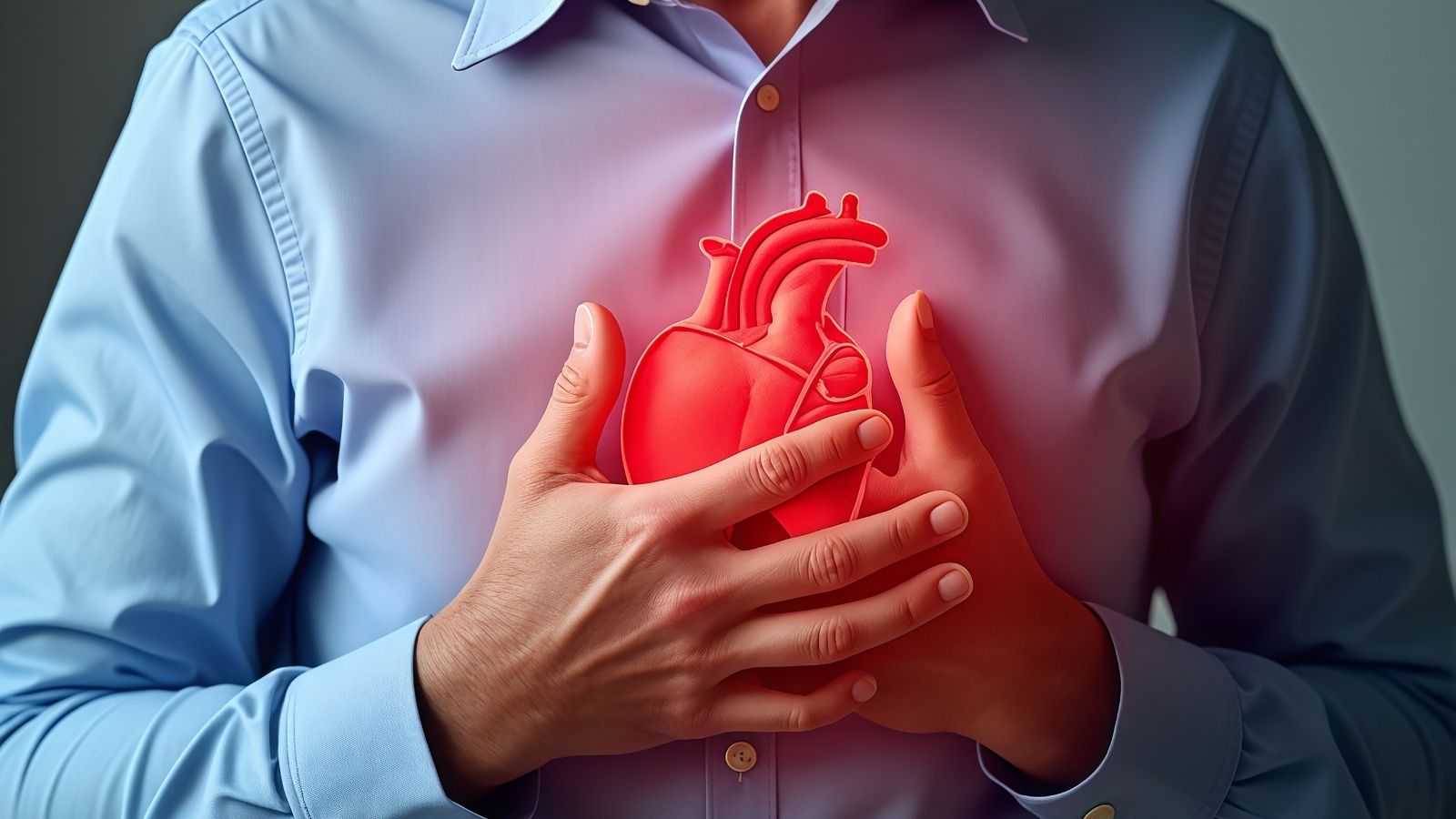
The likelihood of experiencing another heart attack after having one depends on various factors. In particular, a detailed evaluation of the heart vessels after coronary angiography determines future risks. In many cases, these examinations show whether there are narrowings in the patient’s arteries. When narrowings are detected, treatments such as Percutaneous Coronary Intervention are recommended. In addition, advanced imaging techniques and regular follow-ups play a major role in reducing risk. However, since risk factors differ for each patient, individualized treatment plans are of great importance.
What Lifestyle Changes Can Be Made to Prevent a Second Heart Attack?
Lifestyle changes after a heart attack are of great importance to reduce the risk of a second event. These changes aim to support heart health. Quitting smoking lowers the risk of re-occlusion. Receiving support can be helpful in this process. Adopting a healthy diet helps keep heart disease risk factors under control. Some recommendations in this regard are:
- Increase fruit and vegetable consumption
- Choose whole grains and lean proteins
- Use healthy fats and avoid trans fats
Establishing weekly exercise routines strengthens heart function and helps with weight control. The ideal duration is at least 150 minutes of moderate-intensity aerobic exercise per week. Management of chronic diseases remains stable with medication and a regular diet.
How Does Diet Affect the Risk of Having Another Heart Attack?
After a heart attack, diet is an important factor in reducing the risk of another heart attack. Heart-healthy nutrition programs such as the Mediterranean and DASH diets can lower this risk. When combined with healthy lifestyle habits, these diets support heart health and help prevent future heart attacks.
Mediterranean Diet:
- Includes plenty of fruits and vegetables.
- Whole grains and lean proteins are consumed.
- Healthy fats, especially olive oil, are used.
DASH Diet:
- Designed to help lower high blood pressure.
- Rich in potassium, calcium, and magnesium while sodium intake is restricted.
- Saturated fats and sugars are limited.
These diets reduce cardiovascular risks by regulating blood pressure and cholesterol levels. They are also effective in maintaining healthy weight management. Weight control reduces the burden on the heart, thereby minimizing the risk of heart attack. Consuming foods with antioxidant and anti-inflammatory properties reduces inflammation in the body and protects heart health. Foods rich in omega-3 fatty acids play a critical role in reducing inflammation and supporting overall heart health.
What Are the Early Signs of Another Heart Attack?
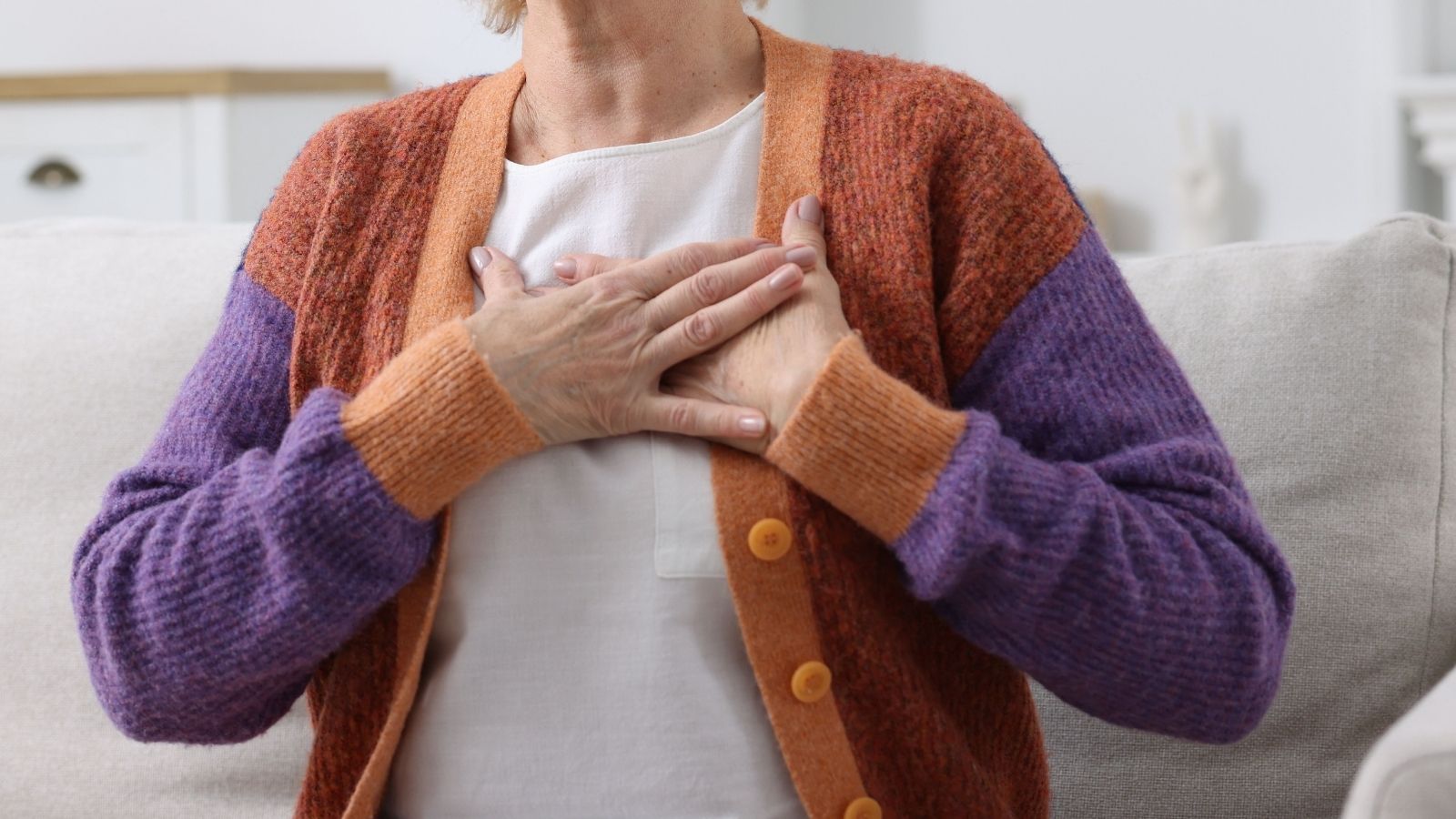
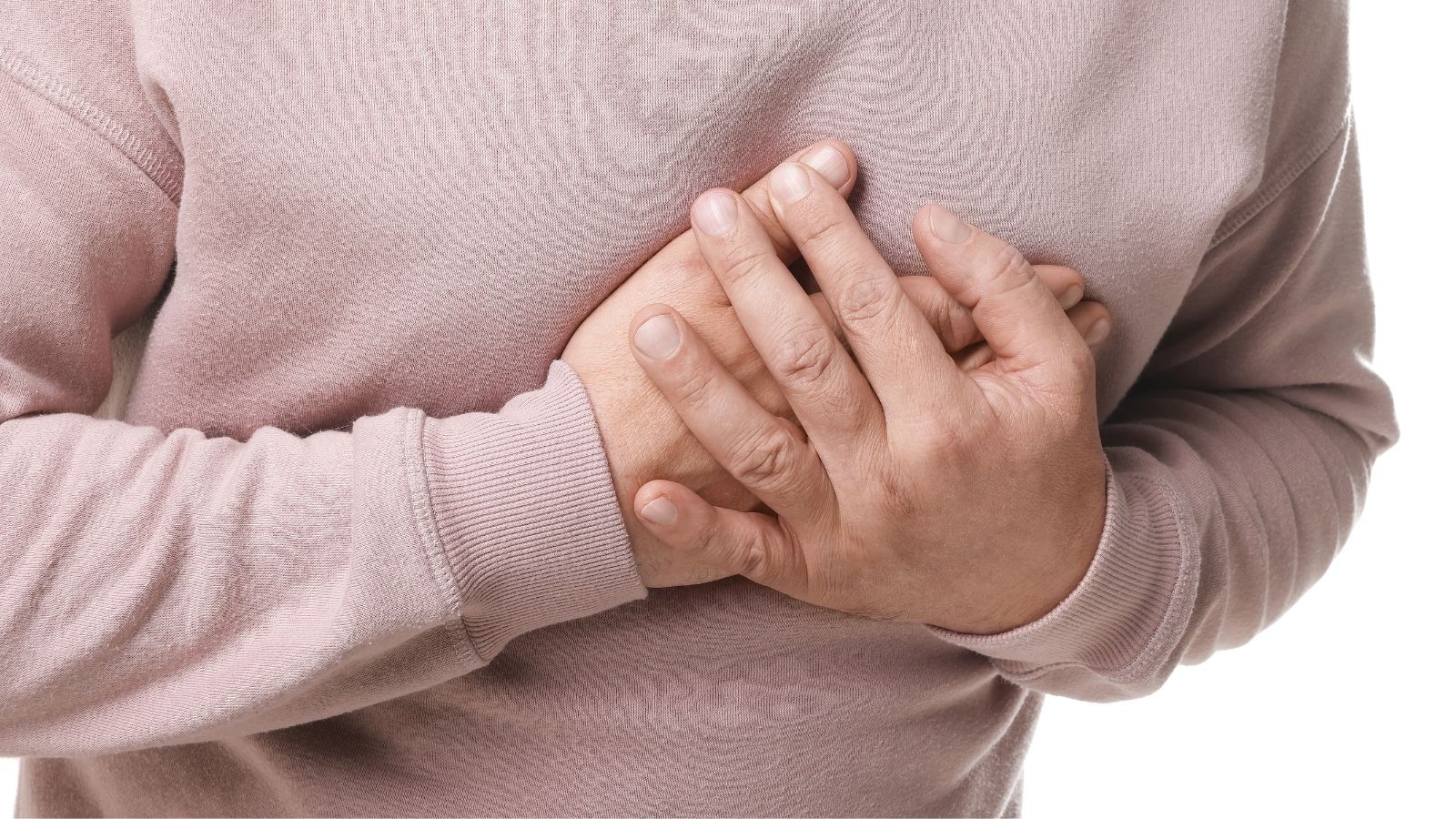
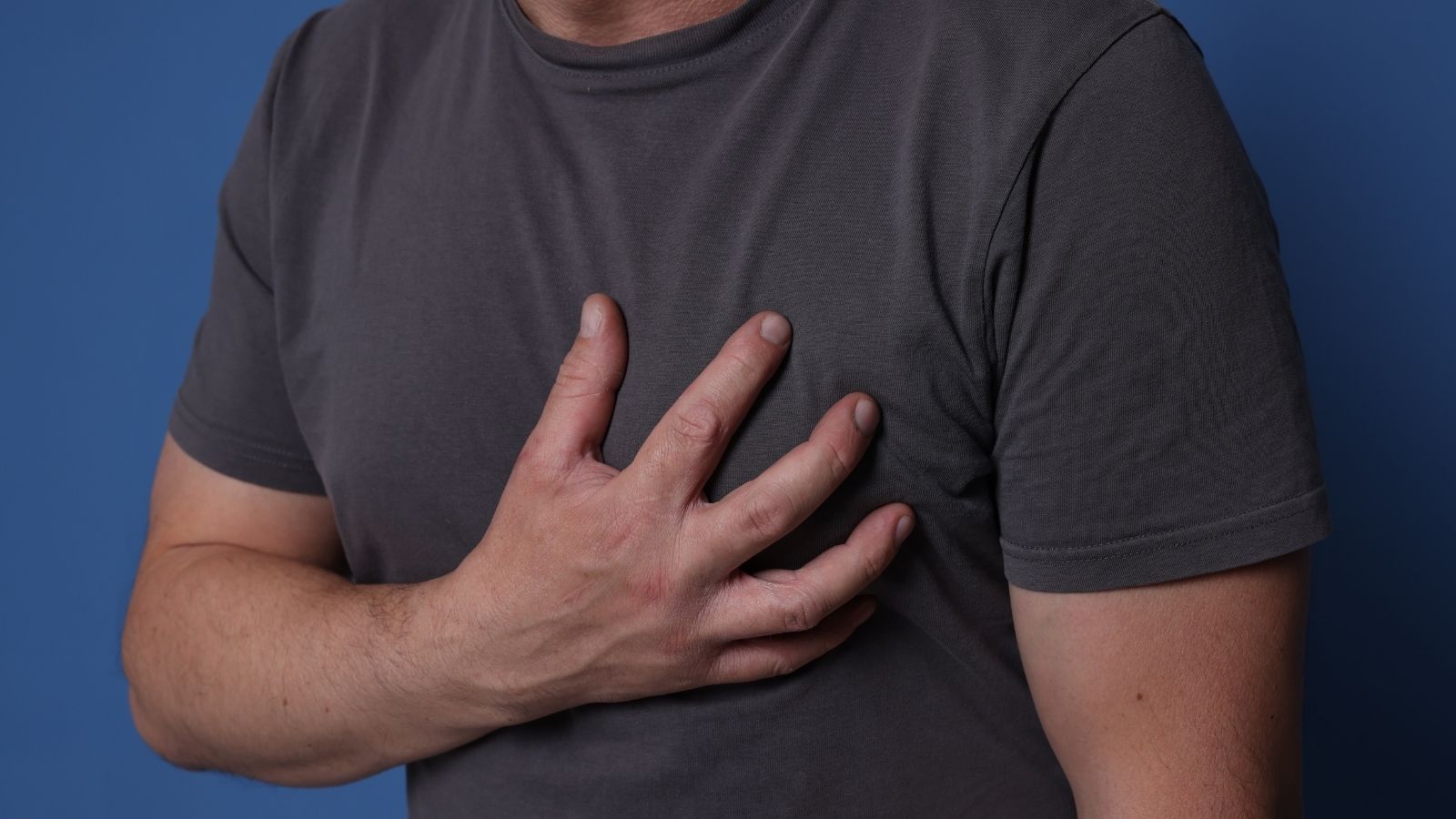
Early warning signs of a heart attack may vary from person to person, but certain symptoms are frequently reported. The most common symptom is chest discomfort. This discomfort is felt as pressure in the chest area that persists for a long time or appears intermittently. Its intensity may increase over time and is often described as severe chest pain. In addition, early warning signs may include:
Upper body discomfort:
- Pain in one or both arms
- Discomfort in the back, neck, or jaw
- Pain in the stomach area
Other common symptoms:
- Shortness of breath, which may begin during activity or at rest
- Cold sweats, usually seen together with other symptoms
- Nausea or dizziness, especially when occurring simultaneously with other symptoms
- Sudden fatigue without a clear reason
- Noticeable discomfort or pain in the jaw, neck, or back, which is more common especially in women
How Does Stress Increase the Risk of a Second Heart Attack?
Stress affects heart health both directly and indirectly. Under chronic stress, the body continuously releases high levels of stress hormones. These hormones; norepinephrine, epinephrine, and cortisol cause many changes in the cardiovascular system. In particular, an increase in heart rate and blood pressure places an additional burden on the heart. In addition, these hormones can raise blood sugar and create harmful effects on the vessels. This condition increases the risk of clot formation and plaque rupture in the arteries. Insufficient blood flow to the heart muscle leads to myocardial ischemia, which prepares the ground for a second heart attack. For these reasons, stress management is of vital importance for individuals who have experienced a heart attack. The effects of stress on the heart include:
- Increased heart rate
- Elevated blood pressure
- Increased blood sugar levels
How Important Is Exercise in Reducing the Risk of Having Another Heart Attack?
The importance of exercising after a heart attack is known for its positive effects on overall health. For heart patients, regular physical activity supports heart health and reduces the risk of recurrent heart attacks. Research has shown that physical activity strengthens the heart muscle and optimizes blood circulation. Thus, the heart works more efficiently and oxygen transport throughout the body increases. This process minimizes the risk of a second heart attack.
- Regular exercise improves heart function and increases the heart’s pumping capacity.
- It reduces heart disease risk factors; these include high blood pressure, high cholesterol, and diabetes.
- Exercise lowers inflammation markers and thereby reduces the risk of heart attack.
For individuals who have experienced a heart attack, exercise not only provides physical benefits; it also contributes to psychological and emotional recovery. Exercise alleviates emotional problems such as depression and anxiety and improves the individual’s overall quality of life. This healing effect enables heart attack patients to experience a better recovery process compared to those who do not exercise. Regular activity allows patients to live a longer and healthier life. Especially during the first year after a heart attack, maintaining a high level of physical activity greatly reduces the risk of recurrence.
How Does Smoking Affect the Likelihood of Having a Second Heart Attack?
Smoking has negative effects on the cardiovascular system, and these effects increase the risk of having a second heart attack. Smoking impairs the functionality of blood vessels, causing the heart to work harder and be at risk. The following are among the main effects of smoking:
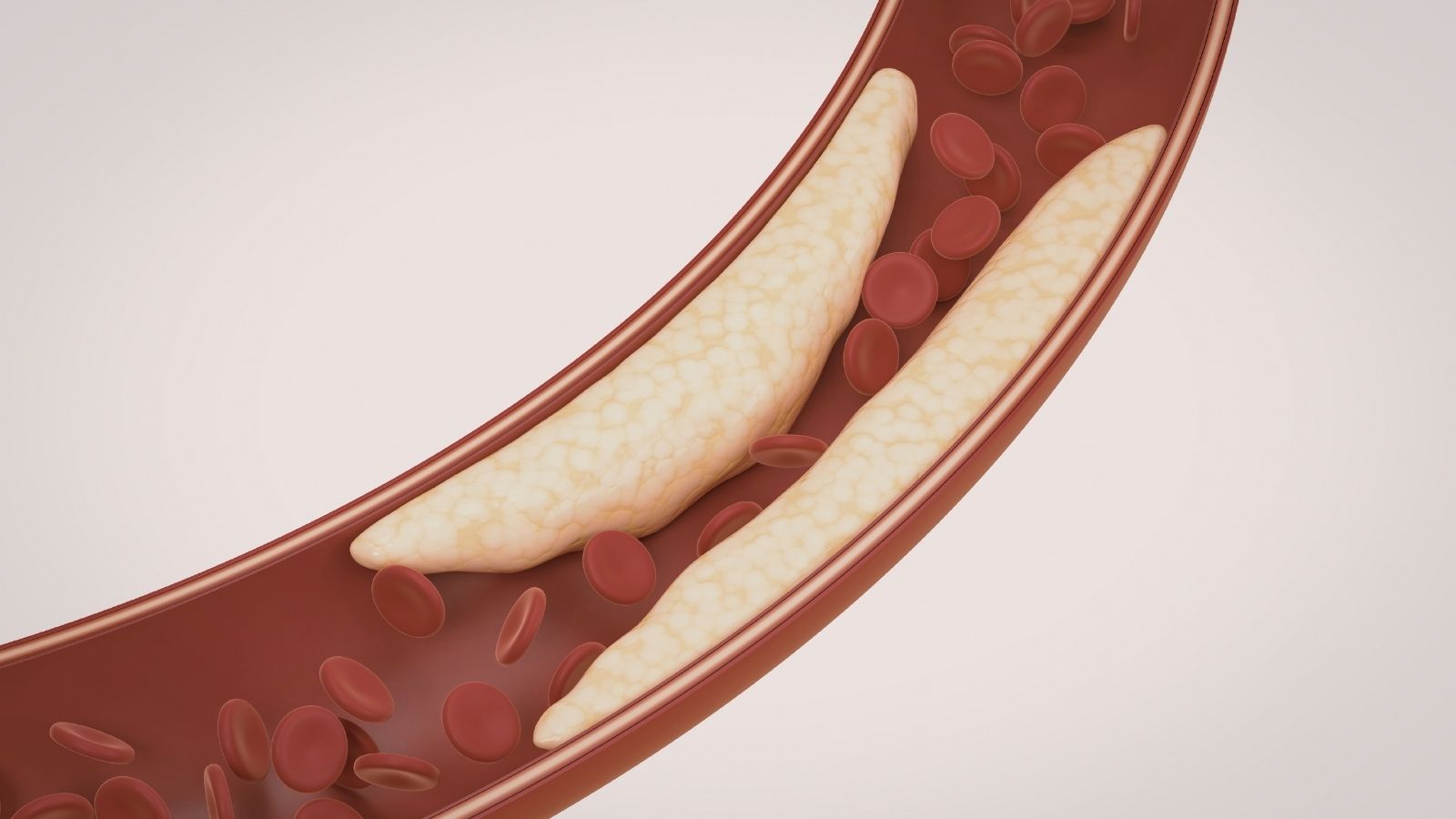
- Increased Plaque Accumulation: Smoking leads to atherosclerosis in the arteries; this can cause narrowing and blockage of the vessels.
- Risk of Thrombosis: Smoking increases the blood’s ability to clot, which can block blood flow in the arteries.
- Reduced Oxygen: Smoking decreases the oxygen-carrying capacity of the blood, requiring the heart to work harder in response to oxygen deprivation.
- Accelerated Heart Disease: Smokers tend to develop cardiovascular problems at earlier ages compared to non-smokers.
- Impaired Vascular Health: Smoking damages the inner wall of the vessels, leading to stiffening and easier blockage.
- Effect on Medications and Recovery: Smoking may reduce the effectiveness of heart attack preventive medications and impair the body’s healing capacity.
What Is the Likelihood of Having a Second Heart Attack After Angiography?
The likelihood of having a second heart attack after angiography varies. The patient’s overall health status is one of the main factors determining this risk. The severity of the first heart attack may also affect future risks. Compliance with post-treatment care and lifestyle changes plays a critical role in reducing this possibility. Some important points regarding these factors are:
- Timing and Immediate Risks: The period following the first heart attack is the most risky time for a second event.
- Long Working Hours and Stress: An intense work pace and stress increase the burden on the heart and raise the risk.
- Contrast-Induced Nephropathy: The contrast agent used during angiography carries a risk of kidney damage and may indirectly affect the risk of heart attack.
In addition, there are some measures that should be taken to prevent a second heart attack:
- Regular use of prescribed medications
- Regular physical activity
- Heart-healthy diet
- Blood pressure control
- Diabetes management
- Avoiding smoking

Prof. Dr. Kadriye Orta Kılıçkesmez is one of the leading figures in the field of Turkish cardiology. She was born on January 24, 1974, in Tekirdağ. After completing her undergraduate education at Istanbul University Cerrahpaşa Faculty of Medicine, she chose cardiology as her specialty and received her specialist training at the Cardiology Institute of the same university. In 2015, she was appointed by the university to establish the Şişli Etfal cardiology clinic and Angio laboratory. Becoming a professor in 2017, Kadriye Kılıçkesmez established the cardiology clinic and Angio laboratory of Prof. Dr. Cemil Taşçı Hospital in 2020 and ensured that the clinic became a training clinic.