Türkçe
 Français
 Deutsch
 Italiano
 Español
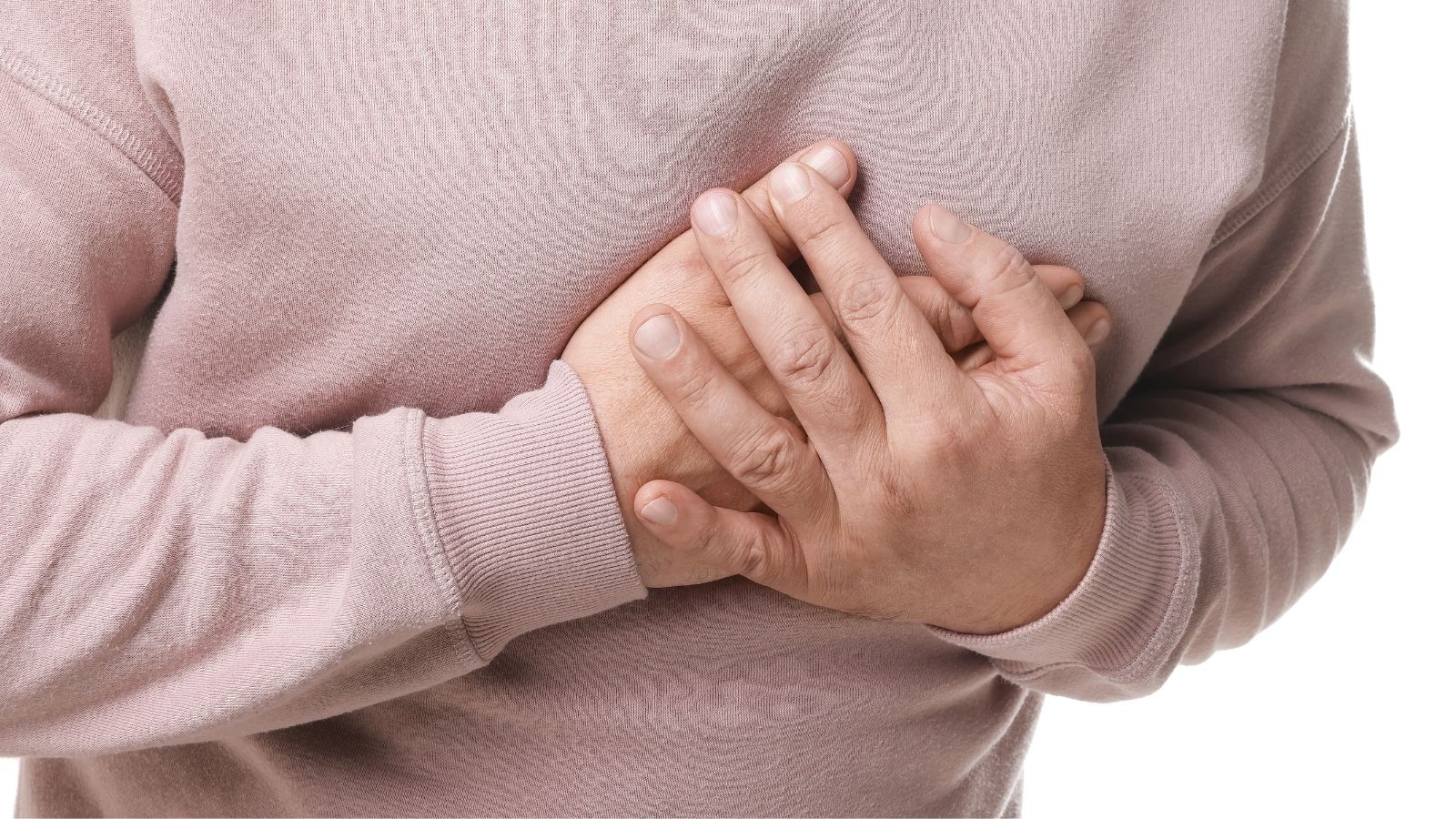
After a heart attack, a serious process begins that patients must follow. First of all, medical follow-up and medications are of vital importance. During this period, cardiac rehabilitation also makes a significant contribution to the patient’s recovery. However, not only physical health but also emotional health must be carefully addressed in this process. Lifestyle changes support permanent recovery. In addition, risk factors must be continuously monitored and managed.
How Long Does Recovery Take After a Heart Attack?
The recovery period after a heart attack varies depending on the person’s general health condition and the severity of the heart attack experienced. It usually lasts several weeks. During this period, cardiac rehabilitation programs are of great importance; because these programs enable patients to gradually increase their physical activities and effectively manage lifestyle changes. At the same time, emotional and mental recovery should also be supported during this period, as feelings of depression and anxiety are frequently encountered at this stage.
What Lifestyle Changes Are Necessary After a Heart Attack?
Lifestyle changes after a heart attack are critical to improving heart health and preventing recurrent events. First, dietary habits should be reviewed; foods rich in saturated fat and sugar should be reduced, and fruits and vegetables should be increased. Regular physical activity should be planned for at least half an hour on several days a week. Smoking must be completely stopped because it harms vascular health. In addition, stress management techniques should be incorporated into daily routines. Medications recommended by healthcare professionals should be used regularly, and alcohol consumption should be limited.
Which Medications Are Generally Prescribed After a Heart Attack?
After a heart attack, various medications are prescribed to support the patient’s recovery process. Among these medications, antiplatelet agents hold an important place; they reduce possible complications by preventing blood clotting. In particular, aspirin and clopidogrel are among the most common examples in this group. In addition, beta blockers reduce the workload of the heart and regulate blood pressure; metoprolol and carvedilol are frequently used in this category. ACE inhibitors and angiotensin II receptor blockers relax blood vessels and improve blood flow. Statins protect vascular health by keeping cholesterol under control.
What Is the Effect of Diet on Recovery After a Heart Attack?
The effect of diet on recovery after a heart attack is of great importance. During the recovery process, the consumption of fiber-rich foods such as fruits, vegetables, and whole grains should be increased. In addition, lean protein sources and fish rich in omega-3 fatty acids should also be included in the diet list. At the same time, avoiding processed foods, trans fats, and excessive sugar consumption is vital for cardiovascular health. Healthy eating habits prevent the progression of heart disease by lowering cholesterol and blood pressure.
How Often Should Follow-Up Visits Be Scheduled After a Heart Attack?
The frequency of follow-up visits after a heart attack is determined specifically according to the patient’s condition. The first visit is usually made within the first week after discharge. The second appointment takes place six weeks after the initial visit. In the following months, follow-up visits are planned every six to eight weeks. Depending on the patient’s recovery process, this frequency may decrease; after one year, appointments may be scheduled once a year.
What Is the Risk of a Second Heart Attack and How Can It Be Minimized?
The risk of a second heart attack should be taken seriously, and proactive steps can be taken to reduce this risk. First, strict adherence to medications is essential; prescribed medications must be taken regularly. Second, a heart-friendly lifestyle should be adopted, which includes healthy eating and regular physical activity. In addition, smoking should be stopped and stress management techniques should be applied. Third, participating in cardiac rehabilitation programs supports heart health and reduces the risk of a second attack. Finally, regular medical follow-ups and effective management of risk factors are also of great importance.
What Physical Activities Are Recommended After a Heart Attack?
Recommended physical activities after a heart attack play an important role in the recovery process. It begins with aerobic exercises; low-intensity walking, stationary cycling, and water aerobics are preferred. The weekly goal is to maintain at least 150 minutes of these moderate-intensity exercises. In addition, strength training is also added. Light weight lifting is recommended, but approval from a healthcare professional is required. Cardiac rehabilitation programs include both aerobic and resistance exercises and are adjusted according to the individual’s condition. Flexibility exercises also support joint and muscle health; therefore, stretching and yoga are recommended.
Frequently Asked Questions
Is It Normal to Feel Chest Pain and Palpitations After a Heart Attack?
Mild chest discomfort, palpitations, or a feeling of fatigue may occur after a heart attack. These symptoms may be related to the heart’s healing process, but increasing or persistent complaints must be reported to a doctor.
How Long Does the Recovery Process Take After a Heart Attack?
The recovery time after a heart attack varies depending on the degree of heart damage. In most patients, the first weeks are critical, and full recovery usually occurs gradually within six weeks.
Is There a Risk of Having Another Heart Attack After a Heart Attack?
The risk does not completely disappear after a heart attack. If smoking, high cholesterol, blood pressure, and diabetes are not controlled and medications are not used properly, the likelihood of having another heart attack may increase significantly.
Which Medications Are Used Long-Term After a Heart Attack?
After a heart attack, blood thinners, cholesterol-lowering drugs, and heart-protective medications are prescribed for long-term use. These medications protect the heart and help prevent new vascular blockages.
What Should the Diet Be Like After a Heart Attack?
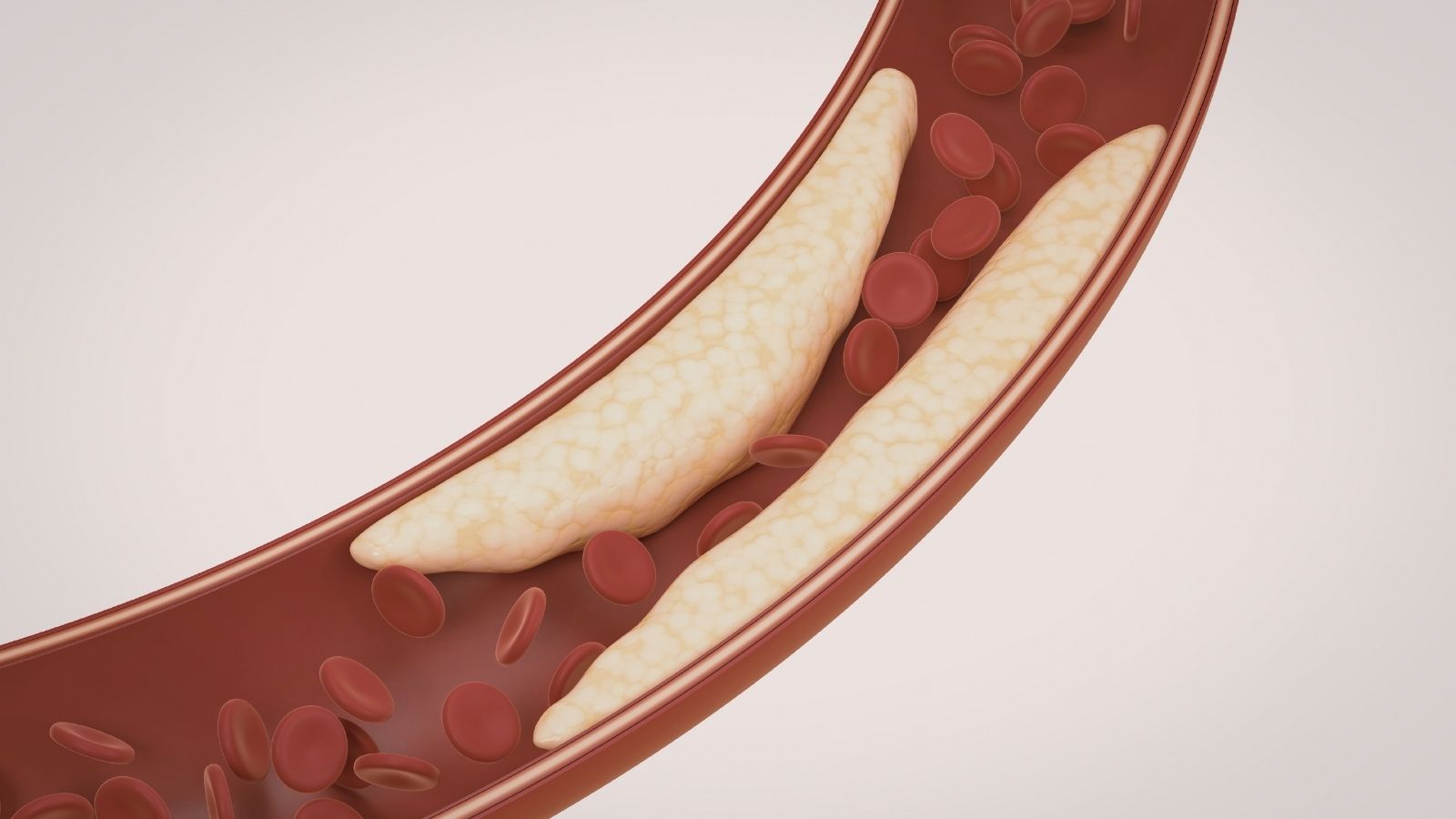
After a heart attack, a diet defined as a Mediterranean-type diet, low in saturated fat and salt, and rich in vegetables, fruits, and fiber is recommended. A healthy diet slows the progression of atherosclerosis and reduces the workload on the heart.
Is It Safe to Exercise After a Heart Attack?
After a heart attack, light walking can be started. When the exercise program is planned within the scope of cardiac rehabilitation and under medical supervision, it is both safe and beneficial.
When Can Sexual Activity Be Resumed After a Heart Attack?
After a heart attack, patients whose general condition is stable can usually return to sexual activity within a few weeks. If there is no shortness of breath or chest pain, this process is safe for most patients.
Are Psychological Problems Experienced After a Heart Attack?
After a heart attack, anxiety, depression, and fear of death may be frequently observed. These feelings are part of the recovery process, and receiving psychological support if necessary increases well-being.
When Can One Return to Work After a Heart Attack?
The time to return to work after a heart attack depends on the physical demands of the job. While desk jobs may be possible earlier, this period may extend to several months in physically demanding jobs.
What Should Be Considered in the Long Term After a Heart Attack?
After a heart attack, regular check-ups, not interrupting medications, quitting smoking, and maintaining healthy lifestyle habits are of vital importance. These measures increase life expectancy and quality of life.

Prof. Dr. Kadriye Orta Kılıçkesmez is one of the leading figures in the field of Turkish cardiology. She was born on January 24, 1974, in Tekirdağ. After completing her undergraduate education at Istanbul University Cerrahpaşa Faculty of Medicine, she chose cardiology as her specialty and received her specialist training at the Cardiology Institute of the same university. In 2015, she was appointed by the university to establish the Şişli Etfal cardiology clinic and Angio laboratory. Becoming a professor in 2017, Kadriye Kılıçkesmez established the cardiology clinic and Angio laboratory of Prof. Dr. Cemil Taşçı Hospital in 2020 and ensured that the clinic became a training clinic.