

 Türkçe
 Français
 Deutsch
 Italiano
 Español
Angiography is an interventional diagnostic and evaluation method performed using contrast material to visualize vascular structure and blood flow. It is most commonly used to detect coronary artery diseases and provides definitive and detailed information about vascular narrowing, occlusions, or structural anomalies.
Coronary angiography is generally performed by advancing a thin catheter through the artery in the groin or wrist. With the help of contrast material delivered through the catheter, the vessels are clearly visualized under fluoroscopy. The procedure is performed by a cardiology specialist under sterile conditions in a hospital setting.
The process of how angiography is performed begins under local anesthesia and in most cases does not require general anesthesia. The procedure duration varies between an average of 15 to 30 minutes. The obtained images are evaluated simultaneously, and if necessary, balloon angioplasty or stent placement may be planned.
The recovery process after angiography varies depending on the access site and the patient’s overall health status. Short-term observation is performed after the procedure, and vital signs are monitored against the risk of complications. Early mobilization is generally possible, and most patients can be discharged on the same day.
| What You Need to Know | Information |
| Definition | Angiography (angiogram) is an invasive imaging procedure performed using contrast material to visualize the internal structure of blood vessels and blood flow. It is most commonly used to evaluate coronary arteries. |
| Purpose | To detect vascular occlusions, narrowings (stenosis), aneurysms, structural vascular disorders, and blood flow problems. |
| Most Common Area of Use | Diagnosis and treatment planning of heart vascular diseases with coronary angiography. It can also be applied to brain, peripheral (arm-leg), kidney, and other organ vessels. |
| Procedure Method | A catheter is usually inserted through the groin (femoral artery) or wrist (radial artery). The catheter is advanced to the vessel to be examined, and images are taken under X-ray after contrast material is injected. |
| Procedure Duration | Diagnostic angiography usually takes 15–30 minutes; if therapeutic interventions are added, the duration may be longer. |
| Imaging Technique Used | Vascular structures are monitored in real time using fluoroscopy (continuous X-ray imaging). |
| Contrast Material | Iodine-containing contrast agents are used. Careful evaluation is required in patients with impaired kidney function. |
| Preparation | Fasting may be required before the procedure. The use of blood thinners and any history of allergies must be reported. |
| Anesthesia Status | Local anesthesia is generally applied. The patient remains awake during the procedure. |
| Risks | There is a risk of bleeding, hematoma, vascular injury, allergic reaction, impaired kidney function, and rarely stroke or heart attack. |
| Advantages | Provides direct and detailed visualization of vascular structure; if necessary, treatment (balloon, stent) can be performed in the same session. |
| Therapeutic Use | Narrowings detected during angiography can be treated with balloon angioplasty or stent placement. |
| After the Procedure | Pressure is applied to the catheter entry site. The patient needs to remain under observation for several hours. Recovery time is generally shorter in radial access. |
| Who It Is Applied To | It may be performed in patients with chest pain, abnormal stress test results, suspected heart attack, or signs of vascular disease. |
| Alternative Methods | Non-invasive imaging methods such as CT angiography and MR angiography may be preferred in some cases. |

Prof. Dr. Kadriye Kılıçkesmez
Cardiology, Interventional Cardiologist – Interventional Cardiologist
Prof. Dr. Kadriye Orta Kılıçkesmez is one of the leading names in the field of Turkish cardiology. She was born on January 24, 1974, in Tekirdağ. After completing her undergraduate education at Istanbul University Cerrahpaşa Faculty of Medicine, she chose cardiology as her specialty and received her specialist training at the Cardiology Institute of the same university.
After working for a short period at Çorlu State Hospital and Turkish Kidney Foundation Service Hospital, she returned to the I.U. Cardiology Institute. Continuing her academic career there, Kadriye Kılıçkesmez became an associate professor in 2012. She then worked at Royal Brompton on complex coronary interventions, CTO intracoronary imaging, and structural heart diseases, and wrote scientific articles. In 2015, she was appointed by the university to establish the Şişli Etfal cardiology clinic and Angio laboratory. Becoming a professor in 2017, Kadriye Kılıçkesmez established the cardiology clinic and Angio laboratory of Prof. Dr. Cemil Taşçıoğlu Hospital in 2020 and ensured that the clinic became a training clinic.
View MoreWhat Is Angiography?
Angiography is a diagnostic medical imaging method that enables visualization of blood vessels. It is generally performed to detect narrowing or occlusions in the heart vessels. During the procedure, contrast material is injected into the vessel and the vascular structure is examined in detail using an X-ray device. It is most commonly performed as coronary angiography and plays an important role in the diagnosis and treatment planning of heart diseases. When necessary, therapeutic interventions can also be performed in the same session.
Types of Angiography: Which Angiography in Which Situation?
There are various types of angiography that differ according to the region where the procedure is applied and the patient’s condition. The most common are:
- Coronary Angiography: Performed to diagnose occlusions or narrowings in heart vessels in patients with symptoms such as heart attack or chest pain (angina pectoris). This is the most commonly performed type of angiography.
- Cerebral Angiography: Used to diagnose problems such as aneurysms, occlusions, or bleeding in brain vessels. It plays an important role in evaluating stroke risk.
- Renal Angiography: Performed to investigate high blood pressure or kidney failure caused by narrowing in the kidney vessels (renal artery stenosis).
- Peripheral Angiography (Leg Angiography): Applied to diagnose problems such as pain, difficulty walking, or ulcers caused by occlusions in the leg vessels. It is frequently seen in diabetic patients.
- Pulmonary Angiography: Used to visualize clots (pulmonary embolism) or other abnormalities in lung vessels.
Each type of angiography requires its own preparation process, procedural steps, and recovery period. Your doctor will decide which type of angiography is appropriate for you.
Why Is Angiography Performed? The Importance of Diagnosis and Treatment
Angiography is primarily used to definitively diagnose vascular problems. Doctors may recommend angiography based on the patient’s complaints, physical examination findings, and other test results. Reasons for performing angiography include:
- Chest Pain (Angina Pectoris): To determine the cause of pain indicating insufficient blood supply to the heart muscle.
- Suspected Heart Attack: To identify the location and degree of occlusion in acute heart attack cases.
- Arrhythmia (Rhythm Disorders): To investigate underlying vascular problems in certain rhythm disorders.
- Congenital Heart Diseases: To examine vascular problems related to structural heart abnormalities.
- Symptoms of Vascular Occlusion: To find the cause of symptoms indicating vascular blockage such as stroke or leg pain.
- Cause of High Blood Pressure: Especially to determine whether narrowing in kidney vessels is raising blood pressure.
- Preoperative Evaluation: To thoroughly assess the condition of vessels before major heart surgeries such as bypass surgery.
Angiography is not only a diagnostic tool but can also be used as a therapeutic procedure. If a significant narrowing or occlusion is detected during angiography, balloon angioplasty and stent placement can be performed in the same session to resolve the problem. This allows the patient to be treated without undergoing an additional surgery.
Contact us to get information about treatments and to schedule an appointment!
How Is Angiography Performed? Step-by-Step Procedure Guide
Angiography is generally performed by specialist physicians in interventional cardiology or radiology departments. Although the duration varies depending on the region examined and the detected problem, it typically lasts between 30 minutes and 2 hours. The main steps of the angiography procedure are as follows:
Preparation Stage: Information and Tests
Before angiography, it is essential to inform the patient in detail. The doctor explains the risks, benefits, possible complications, and post-procedure process. The patient and family provide written consent. At this stage:
- Blood Tests: Tests such as coagulation status, kidney function, and blood count are performed.
- Electrocardiography (ECG): The electrical activity of the heart is recorded.
- Echocardiography (ECHO): The structure and function of the heart are visualized by ultrasound.
- Allergy Tests: It is investigated whether there is an allergy to contrast material.
- Medication Adjustment: Certain medications such as blood thinners may need to be discontinued or adjusted as advised by the doctor. All regularly used medications should be reported to the physician.
The patient should fast from midnight before the procedure (usually 8 hours).
Procedure Day: Patient Preparation and Anesthesia
On the day of the procedure, the patient is admitted to the hospital. The procedure site (usually the groin or wrist) is cleaned and covered with a sterile drape. Local anesthesia is generally administered to prevent pain at the procedure site. The patient remains conscious and can communicate with the doctor during the procedure.
Catheter Placement: Accessing the Vessels
After anesthesia, the selected vessel (femoral artery in the groin or radial artery in the wrist) is punctured with a thin needle. A guidewire is inserted at this entry point. Then, a thin, flexible tube called a guiding catheter is advanced into the vessel over this wire. The catheter is carefully advanced to the desired region without damaging the vessel structure. In coronary angiography, this region is usually the origin of the main artery supplying the heart.
Contrast Injection and Imaging
A special injector is attached to the tip of the catheter, and a special dye called contrast material is injected into the vessel. This dye has the ability to absorb X-rays. As the dye progresses through the vessels, continuous images are obtained using X-ray devices (angiography system). These images are transferred to a digital system, allowing the internal structure of the vessels and areas of narrowing or occlusion to be clearly visualized on the screen.
- In Coronary Angiography: The contrast material is injected directly into the coronary arteries, allowing detailed visualization of the heart vessels.
- In Other Types of Angiography: The catheter is advanced to the targeted vessel region and contrast material is injected there.
During the procedure, the patient may experience temporary sensations such as warmth or the urge to urinate. This is normal and resolves shortly.
Treatment Application (If Necessary): Balloon and Stent
If a significant narrowing or occlusion is detected during angiography, the doctor may decide to treat it in the same session. In this case:
- Balloon Angioplasty: A special balloon catheter is advanced to the narrowed area. The balloon is inflated at the narrowed vessel segment to widen the vessel. This procedure helps open the narrowing by applying pressure to the vessel wall.
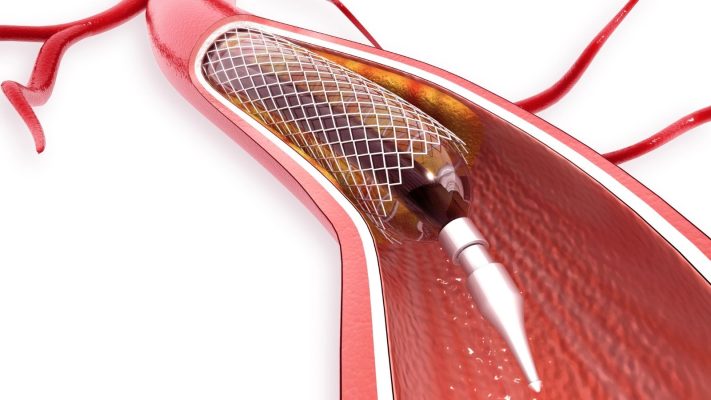
- Stent Placement: After balloon angioplasty, a stent is usually placed to prevent re-narrowing of the vessel. A stent is a small mesh-like metal tube. Positioned inside the narrowed vessel with the help of the balloon, the stent keeps the vessel open. Most stents used today are drug-coated (drug-eluting stents), which reduce the risk of clot formation within the vessel.
The treatment is performed in the same session as angiography using the same catheters, preventing the patient from undergoing two separate procedures.
After the Procedure: Rest and Monitoring
After the angiography is completed, the catheter is removed and pressure is applied to the entry site to stop bleeding. In angiography performed through the groin, 4–6 hours of lying position and compression may be required, while in wrist access it may be 1–2 hours. The patient’s condition is closely monitored. After the procedure:
- Bleeding Control: The entry site is checked for swelling, bruising, or bleeding.
- Vital Signs: Blood pressure, pulse, and respiration are regularly measured.
- Urine Output: Important for monitoring elimination of contrast material through the kidneys.
- Fluid Intake: Adequate fluid intake helps eliminate the contrast material from the body.
The patient can usually stand up a few hours after the procedure and may be discharged the next day. However, there may be specific instructions from the doctor.
Contact us to get information about treatments and to schedule an appointment!
Recovery Process After Angiography and Points to Consider
The recovery process after angiography is generally fast and uneventful. However, there are important points to consider during this period. Compliance with these recommendations reduces the risk of complications and ensures faster recovery.
Return to Daily Life: When and What Can Be Done?
- First 24 Hours: Heavy physical activities should be avoided. Light exercises such as walking are generally tolerated.
- First 1–3 Days: Pain and tenderness at the entry site usually persist. Pain relievers may be used. Showering is generally possible with the doctor’s approval.
- First Week: Strenuous activities such as heavy lifting and intense sports should be avoided. Normal daily tasks can be gradually resumed.
- Long Term: It is very important to regularly use medications prescribed by your doctor and attend follow-up visits. Especially in patients with stents, regular use of blood thinners is vital.
Possible Complications and Risks: Being Informed
As with any medical procedure, angiography carries certain risks and possible complications. However, these risks are generally low when considering the benefits of the procedure and the patient’s overall health status. Possible complications include:
- Bleeding and Hematoma: Bleeding or bruising at the entry site is the most common complication. It usually resolves spontaneously or is controlled with simple interventions.
- Allergic Reaction: Allergic reactions to contrast material may occur. This is evaluated before the procedure and necessary precautions are taken.
- Kidney Damage: Contrast material may cause kidney damage in patients with impaired kidney function. Therefore, kidney function is carefully evaluated before the procedure.
- Vascular Injury: There is a risk of vessel tear or perforation during catheter advancement. This is rare and may require surgical intervention.
- Heart Attack or Stroke: In very rare cases, clot formation or spasm during the procedure may cause heart attack or stroke.
- Arrhythmia: Temporary rhythm disturbances may occur during the procedure.
The rate of these risks varies depending on the patient’s age, comorbid conditions, and the complexity of the procedure. Your doctor will explain these risks to you in detail.
Medication Therapy After Angiography: Of Vital Importance
Angiography, especially if a stent has been placed, requires regular use of certain medications. These medications are used to prevent blood clotting and stent thrombosis.
- Antiplatelet Drugs (Blood Thinners): Medications such as aspirin and clopidogrel, prasugrel, or ticagrelor prevent platelets from aggregating and forming clots. In patients with stents, these medications must be used for at least 6–12 months, sometimes longer.
- Statins: Cholesterol-lowering drugs. They play an important role in treating atherosclerosis and slow the progression of plaques in vessel walls.
- Beta Blockers and Antihypertensive Drugs: May be prescribed to reduce the workload on the heart and control blood pressure.
Using these medications at the dose and duration recommended by the doctor is vital for long-term success. You should not discontinue medications on your own.
Frequently Asked Questions
In which situations should angiography be performed urgently?
Angiography is performed urgently, especially in cases of suspected heart attack, severe chest pain, and ECG changes. Rapid reopening of the blocked vessel reduces heart muscle damage and significantly lowers life-threatening risks.
How is vascular occlusion detected during angiography?
During angiography, contrast material is injected into the vessel and the vascular structure is visualized under X-ray. Areas of narrowing or complete occlusion are clearly identified, and if necessary, balloon or stent procedures can be performed in the same session.
For whom can angiography be a risky procedure?
Angiography is planned more carefully in individuals with kidney failure, advanced age, diabetes, or bleeding disorders. In patients allergic to contrast material, special precautions are taken to increase procedural safety.
How is the decision to place a stent made after angiography?
If significant narrowing is detected during angiography, a stent is placed to ensure permanent blood flow. The degree of narrowing, the patient’s symptoms, and the extent of heart muscle involvement are decisive factors in this decision.
How long does the recovery process take after angiography?
After angiography, most patients are discharged on the same day or the next day. In groin access procedures, a few days of rest are recommended, while recovery time is generally shorter in wrist access procedures.
What are the possible complications of angiography?
Angiography is generally safe, but rarely bleeding, vascular injury, rhythm disturbances, or temporary impairment of kidney function may occur. Complication rates are quite low in experienced centers.
What preparations are required before angiography?
Before angiography, blood tests are performed and medications are reviewed. Adjusting blood thinners, fasting before the procedure, and reporting any history of allergies are important for safety.
Does angiography completely eliminate the risk of heart attack?
Angiography can open blocked vessels, but underlying atherosclerosis may persist. Therefore, post-procedure medication therapy, healthy nutrition, and regular exercise play a critical role in reducing heart attack risk.
What lifestyle changes are recommended after angiography?
After angiography, quitting smoking, controlling cholesterol and blood pressure, balanced nutrition, and regular physical activity are recommended. These changes help prevent new vascular occlusions.
How can angiography affect a patient psychologically?
Some patients who undergo angiography may experience anxiety, fear of recurrence, or stress. Receiving information under medical supervision, participating in cardiac rehabilitation programs, and obtaining psychological support positively affect recovery.
Latest Articles

What Should Patients With Mitral Valve Regurgitation Pay Attention To?
Girişimsel Kardiyoloji | Prof. Dr. Kadriye Kılıçkesmez » General » What [...]
Read More ➜
16
Feb
Feb

What Is the Difference Between Cardiology and Cardiovascular Surgery?
Girişimsel Kardiyoloji | Prof. Dr. Kadriye Kılıçkesmez » General » What [...]
Read More ➜
16
Feb
Feb

What Is the Function of Heart Valves in the Body? What Happens If There Is a Problem With a Heart Valve?
Girişimsel Kardiyoloji | Prof. Dr. Kadriye Kılıçkesmez » General » What [...]
Read More ➜
16
Feb
Feb

What Should Patients With Heart Valve Disease Pay Attention To?
Girişimsel Kardiyoloji | Prof. Dr. Kadriye Kılıçkesmez » General » What [...]
Read More ➜
16
Feb
Feb

What Are the Causes of Heart Attacks in Young People?
Girişimsel Kardiyoloji | Prof. Dr. Kadriye Kılıçkesmez » General » What [...]
Read More ➜
07
Aug
Aug
I Had an Angiography – Can I Have Another Heart Attack?
Girişimsel Kardiyoloji | Prof. Dr. Kadriye Kılıçkesmez » General » I [...]
Read More ➜
07
Aug
Aug

The Post-Heart Attack Process and Frequently Asked Questions
Girişimsel Kardiyoloji | Prof. Dr. Kadriye Kılıçkesmez » General » The [...]
Read More ➜
07
Aug
Aug

What Should Be Considered After Angiography?
Girişimsel Kardiyoloji | Prof. Dr. Kadriye Kılıçkesmez » General » What [...]
Read More ➜
22
Jul
Jul