Türkçe
 Français
 Deutsch
 Italiano
 Español
 العربية
 Русский

Heart patients can continue to enjoy a safe and active sex life as long as their medical treatments are properly managed and their health conditions remain under control. The process of returning to daily routines after cardiovascular diseases involves not only physical recovery but also the complete restoration of quality of life. Sexual activity after a heart attack or vascular blockage is an integral part of overall health and psychological well-being. During this period, as the body adapts to new circulatory dynamics, the goal is to establish a balanced rhythm compatible with heart health. When necessary cardiological follow-up appointments are maintained, it is entirely possible to establish a healthy lifestyle free from unnecessary anxiety that supports both physical and emotional well-being.
Why Is Erectile Dysfunction Often an Early Warning Sign of Heart Disease?
There is a widespread belief in society that erectile dysfunction, particularly among men, is generally an expected consequence of aging or has psychological causes associated with stress. However, current data indicate that a very large proportion of these problems may be related to vascular causes. Cardiovascular disease and erectile dysfunction are often manifestations of the same disease process, namely atherosclerosis, in different parts of the body. Risk factors such as advanced age, high blood pressure, diabetes, tobacco use, high cholesterol, and obesity are among the common contributing factors for both conditions.
The biological process underlying this relationship involves gradual damage to the thin and delicate layer of cells lining the inner surface of our blood vessels. A healthy vascular surface produces beneficial molecules that allow blood vessels to relax, help maintain smooth blood flow, and delay damage to the vessel walls. However, when high blood pressure, cholesterol, or harmful substances in tobacco products damage this tissue, a process of chemical stress begins in the body. This stress significantly reduces the production of beneficial molecules that dilate blood vessels. The vessels supplying the sexual organs are known to be among the most sensitive vascular networks in the body to these molecular fluctuations. Blood vessels that cannot relax and fill adequately with blood eventually begin to lose their function.
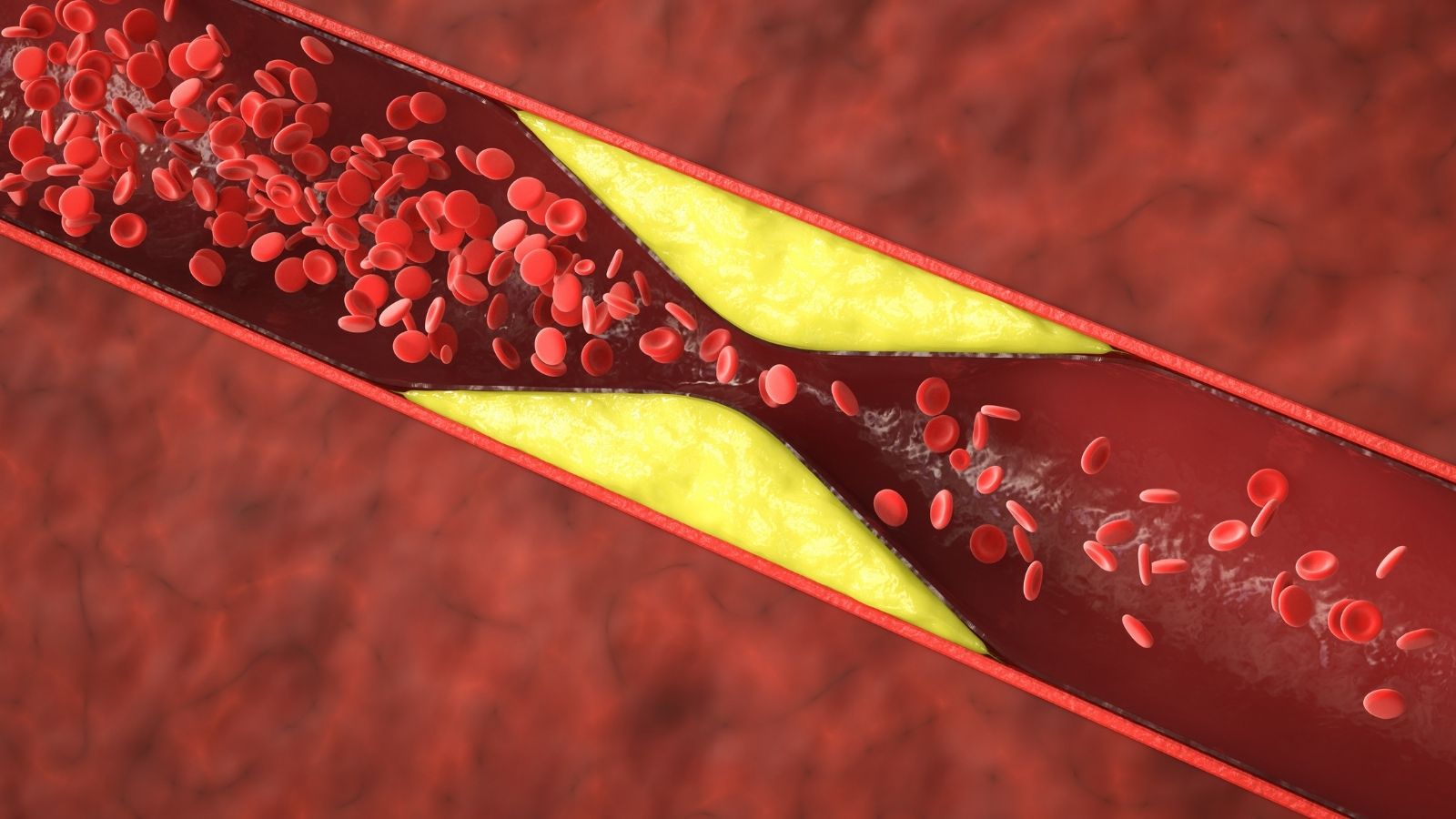
There is a fundamental principle in medicine that helps explain this situation. Atherosclerosis can begin affecting blood vessels throughout the body during the same periods. However, the timing of symptom development is closely related to the physical diameter of the affected vessel. The coronary arteries supplying our heart have a larger diameter, whereas the arteries carrying blood to the sexual organs are much narrower. When plaques gradually accumulating in the vessel walls are still relatively thin, they may not significantly interfere with blood flow in the wider coronary arteries, and the individual may experience no chest pain during daily life. However, the same amount of plaque accumulation can substantially obstruct the much narrower regional arteries and impair their function. This is why these regional problems may be the visible manifestation of atherosclerosis that has not yet produced symptoms in the heart and may serve as an early warning of a possible future heart attack.
How Much Physical Effort Does the Heart Actually Exert During Sexual Intercourse?
One of the most common reasons patients who have experienced a heart attack, undergone coronary stent placement, or developed a certain degree of heart failure withdraw from sexual activity is their profound concern that they will exert themselves excessively and place a dangerous amount of strain on their hearts. The amount of oxygen and energy consumed by the body is measured in units called metabolic equivalents. Lying down in a state of complete rest requires little energy, whereas everyday household tasks or walking increase this demand.
Sexual activity is a physical process consisting of several stages. During the preparation and arousal phases, heart rate and blood pressure may show a more pronounced physiological increase than would normally be expected from the level of exertion. However, the greatest energy expenditure occurs when the activity reaches its peak. At this peak, the energy consumed by the heart reaches the level associated with moderate exercise. Heart rate rises to a certain rhythm, and blood pressure may temporarily increase. The most important detail, however, is that the period during which the heart remains under this maximum level of exertion is extremely short. This peak generally lasts only a matter of seconds, after which all vital signs rapidly return toward their resting levels.
When a patient’s physical capacity in daily life is evaluated, the energy expended during this peak is actually quite similar to that required for several common everyday activities. Some activities that may correspond to this level of exertion include:
- Climbing two flights of stairs
- Walking at a brisk pace
- Doing light gardening
- Cleaning the house
If a person can climb two flights of stairs without experiencing severe chest pain or having to stop because of significant breathlessness, their heart is generally considered to have sufficient reserve to tolerate sexual activity. Statistics indicate that sudden cardiac complications during activities of this kind are quite rare in the general population. This likelihood tends to decrease further among individuals who exercise regularly and maintain their physical fitness.
Which Risk Groups of Heart Patients Can Safely Continue Their Sexual Lives?
General medical standards are used to determine how safe activities requiring physical exertion are for individuals with cardiovascular problems. These assessments make it easier to categorize patients as low, intermediate, or high risk according to their current health condition.
Patients in the low-risk group include individuals whose blood pressure is maintained at reasonable levels with medication, those with a history of heart disease that did not cause permanent damage, or people whose blocked arteries have recently been successfully opened with stents. Generally, there is no medical obstacle preventing these individuals from returning to their everyday lives and sexual activities as long as their exercise capacity permits.
Patients in the intermediate-risk group include those who experience mild chest pain with exertion, those whose cardiac event occurred only a few weeks earlier, or individuals with multiple health problems. Rather than immediately returning to activities requiring substantial physical effort, these individuals are advised to undergo an exercise stress test or ultrasound examinations to assess how their hearts perform under stress.
The situation of patients in the high-risk group requires greater caution. It is extremely important for these patients to avoid strenuous physical activities until their cardiac problems have been stabilized through interventional methods. Conditions classified as high risk that require temporarily avoiding exertion include:
- Unstable chest pain
- Recent heart attack
- Uncontrolled heart rhythm disorders
- Advanced heart failure
- Severe heart valve stenosis
How Does Opening Blocked Arteries With Stents Affect Sexual Life?
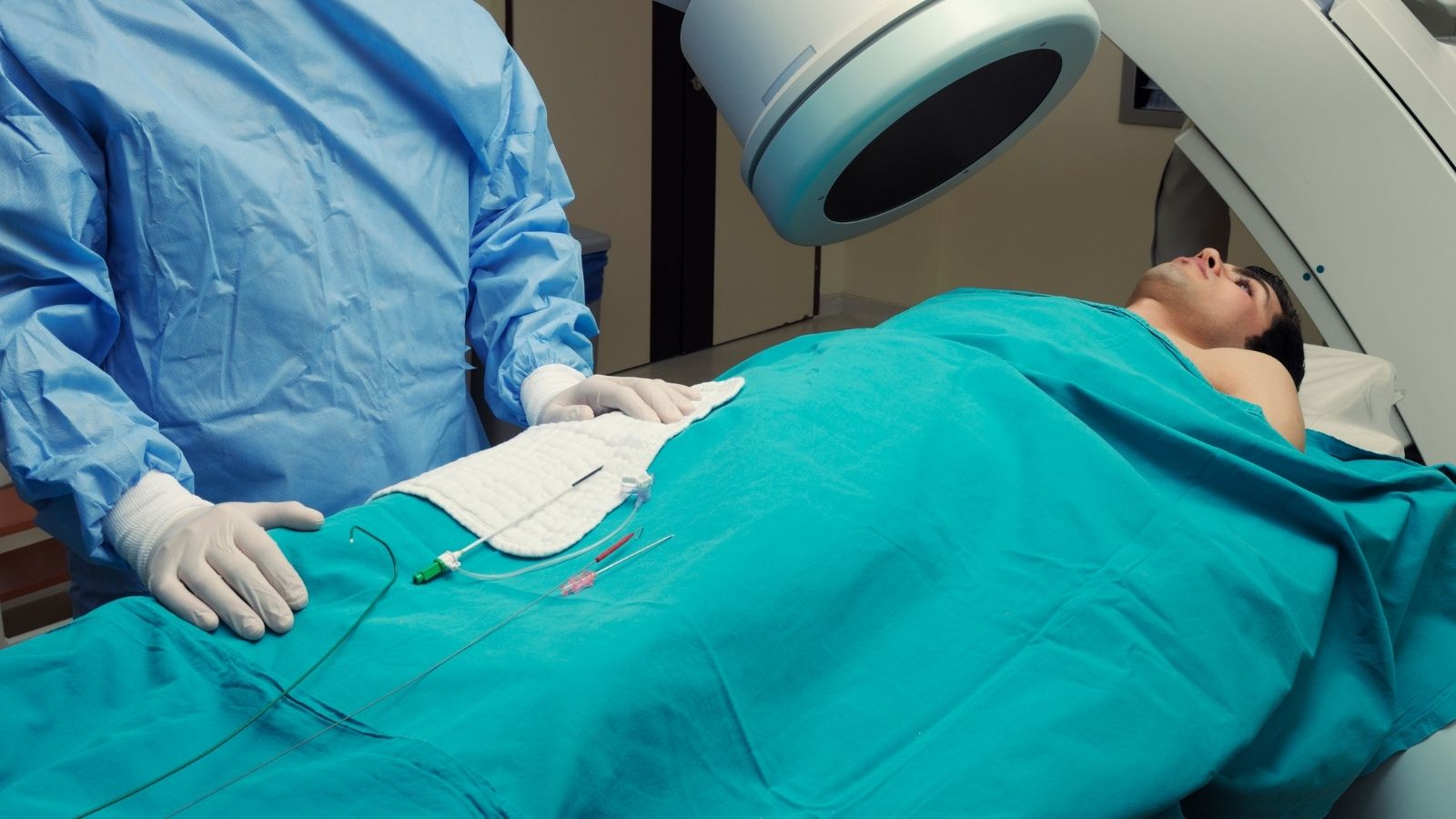
Modern treatment options offered by interventional methods help restore an adequate oxygen supply to the tissues by mechanically widening narrowed arteries that supply the heart. This procedure is generally performed by reaching the heart through an artery in the groin or wrist using extremely thin tubes. A medical balloon advanced into the blocked or narrowed artery expands the calcified structure along the vessel wall. A metallic mesh called a stent is then placed in this area, making it more difficult for the artery to close again.
The effects of opening blocked arteries on a patient’s physical life are quite noticeable. First, a significant improvement in physical capacity is expected. A person who experiences pressure in the chest while walking or exerting themselves may experience substantial relief from these complaints after the artery is opened. Because the heart muscle now receives adequate blood supply, it can meet the energy requirements of daily life and sexual activity much more comfortably.
The second positive effect is its contribution to the recovery of vascular health throughout the body. When a severe narrowing in a coronary artery is eliminated, the body’s overall stress associated with insufficient oxygen supply is reduced. Improved circulation and the patient’s ability to become physically active again also positively affect blood flow dynamics in the smaller vessels of other regions. In many cases, patients who undergo stenting of only their coronary arteries experience an improvement in quality of life because their breathlessness and pain during exertion decrease.
Does Heart Valve Replacement or the TAVI Procedure Improve Sexual Function?
Heart valve calcification, which becomes more common particularly with advancing age, creates a serious physical barrier to blood being pumped from the left chamber of the heart into the body. When the valve narrows, the heart begins to expend considerably more muscular effort than normal to propel blood forward. This may contribute to feelings of faintness during exertion, chest pain, and shortness of breath. When such a demanding mechanical obstruction is present, avoiding activities that require sudden physical exertion and place additional strain on the body is considered beneficial.
Today, the TAVI procedure, performed through a blood vessel in the groin without necessarily requiring open surgery, is frequently preferred as an effective method for treating these types of valve narrowing. A new biological valve is advanced into the heart through a thin delivery system and placed in the region occupied by the old calcified valve, where it begins functioning. Through this procedure, the narrowed passage obstructing blood flow from the heart is widened, excessive pressure inside the heart decreases, and oxygen delivery throughout the body becomes easier.
Once patients who have undergone valve replacement complete their recovery period, they begin to regain their physical fitness as the burden on the heart is reduced. This improvement in the circulatory system restores the energy they need to return to their everyday activities and sexual lives. Tissue recovery after major procedures requires a certain amount of time, but at the end of this process, patients can often move more comfortably than they could before the intervention.
What Should Be Considered During Recovery After Angiography?
Although diagnostic and therapeutic procedures performed in an interventional setting are highly reliable, they involve entering the body’s vascular system. During the procedure, the wrist or groin may be selected as the access site. With procedures performed through the wrist, bleeding can be controlled more easily, allowing patients to get up and move around sooner. However, using the larger blood vessels in the groin is also common when required by the size of the equipment or the anatomical structure of the vessels.
The issue requiring the greatest attention after the procedure is clot formation and closure at the vascular access site. When the procedure is performed through the groin, pressure is applied to the area for a certain period to prevent blood from leaking outside the vessel. Protecting this area is particularly important because advanced age or blood pressure problems may delay healing of the vessel wall. Patients discharged after a procedure involving the femoral artery are advised to avoid activities that increase pressure inside the abdomen during the first few days.
Some movements that should be avoided to protect the groin area during the first days after the procedure include:
- Lifting heavy objects
- Excessive straining
- Participating in strenuous sports
- Suddenly bending down and straightening up
- Climbing stairs rapidly
Until the vascular access site has healed, physical exertion should be increased gradually and in a controlled manner. In addition, drinking plenty of fluids during the first few days to help the body eliminate the medical substances used to visualize the blood vessels during the procedure helps maintain the body’s balance.
Do Heart Medications Really Cause Impotence?
One of the most widespread beliefs that makes it difficult for patients to adhere to medical treatment is the idea that medications prescribed for the heart directly cause impotence. Many people take their medications irregularly or stop taking them altogether because they fear losing sexual performance. However, clinical observations suggest that medications may be the actual cause in only a very small proportion of individuals who experience this problem persistently. In the vast majority of cases, the source of the problem is actually the disease affecting the blood vessels itself.
One of the most important medication groups patients need to use after stent placement is blood-thinning agents. Generally used in different combinations, these medications focus on preventing blood clots from accumulating inside the stent. Although they may cause mild bruising in certain parts of the body, it is difficult to say that they have a direct negative effect on sexual function. Abruptly discontinuing these medications without consulting a physician because of concerns about possible side effects is an extremely serious mistake that must be avoided, as it may cause the stent to become filled with a blood clot within a short time, depriving the heart muscle of oxygen.
On the other hand, some older-generation medications used to regulate heart rhythm or reduce the heart’s workload are known to have effects that can slow circulation to some extent. However, newer-generation medications introduced through advances in medical science may not only protect the heart but also contribute to the release of beneficial gases that encourage the inner lining of blood vessels to relax. When evaluating a patient’s condition, physicians take care to prescribe modern medications with the lowest possible side-effect profile, aiming both to protect the heart and to maintain a high level of comfort in the patient’s life.
When Can Erectile Dysfunction Medications Be Dangerous for Heart Patients?
Special medications known as performance enhancers can provide effective support for suitable patients. For some patients in the low-risk group whose health condition remains stable, controlled use of these medications generally does not pose a problem. However, there is a critically important medical boundary that must never be overlooked. When these performance-enhancing medications are used during the same period as nitrate-containing heart medications, they may create life-threatening risks.
Nitrates are medications generally used to rapidly relax blood vessels when chest pain occurs. Both nitrates and the performance medications mentioned cause significant dilation of the muscles in blood vessel walls. If a person uses these two medications simultaneously or within a short time of each other, the blood vessels throughout the body may relax uncontrollably. Excessive dilation of the vessels can cause blood pressure to fall to dangerous levels. When blood pressure suddenly drops, the blood required by the brain and heart cannot be pumped with sufficient force. This may lead to severe fainting episodes and consequences requiring emergency medical intervention.
Some medication forms that are particularly dangerous to use together with erectile dysfunction medications include:
- Sublingual tablets
- Chest sprays
- Blood pressure-lowering patches
- Intravenously administered nitrates
If a patient develops chest pain after taking a performance-enhancing medication, they must not use the sublingual tablet in their pocket and should seek medical care immediately. Upon arrival, openly informing the doctors that they have taken this medication is critically important for the safety of the treatment that will be administered.
Do People With Heart Failure Have to Give Up Their Sexual Lives?
After many years of wear or damage, the heart muscle may become unable to pump blood as strongly as it once did. During this process, known as heart failure, the body experiences a constant shortage of energy because the tissues do not receive enough fresh blood. Patients may tire quickly even with minor exertion, experience shortness of breath, and develop swelling in their legs. This state of physical exhaustion makes sexual activity considerably more difficult and may also weaken vascular mechanisms.
However, advances in modern medicine provide important tools for improving the comfort of people living with heart failure. Newer-generation heart medications that reduce the workload of the heart and lower vascular resistance help circulation maintain a more balanced pattern. People receiving these treatments may experience increased exercise capacity and reduced shortness of breath.
In addition, special cardiac devices implanted in patients whose pumping strength has decreased and who are at risk of heart rhythm disorders operate like an internal safety system, increasing the individual’s security. A person diagnosed with heart failure can continue a moderate sexual routine, just as they can in other areas of life, provided that treatment has reduced their symptoms to a reasonable level and they do not exceed the exertion limits established by their physician.
How Do Fear and Psychology Affect Sexual Life?
Even in situations where medical interventions have resolved the heart problem, improved pumping function, and removed physical obstacles, a significant proportion of patients frequently experience difficulty returning to their previous activity habits. At this point, the greatest challenge is not the body but the human mind. Lying on an operating table, undergoing stent placement, or surviving a severe episode of chest pain can leave a person psychologically vulnerable. They may begin to feel that their physical well-being has become fragile. The thought of experiencing similar pain again or the fear of placing strain on the heart can create tremendous anxiety.
This performance anxiety can affect not only the patient but also their partner, who may act out of concern that they could cause harm. Over time, this sensitivity arising from illness within a couple may turn into complete avoidance of activities requiring physical effort. Patients are often reluctant to express these concerns because they feel embarrassed. However, even a brief educational discussion may be enough to help restore confidence in the body’s strength. Understanding that a heart capable of climbing stairs without difficulty can also comfortably tolerate everyday exertion is one of the greatest sources of support in removing invisible psychological barriers.
What Steps Should You Take for a Safe Sexual Life?
Returning to physical activities after cardiac interventions should not happen all at once, but gradually, while paying attention to the body’s signals. Walking on level ground several days a week at a comfortable pace that encourages movement without causing exhaustion strongly supports vascular health and improves overall cardiac fitness. It should not be forgotten that the body functions more harmoniously when the mind is relaxed.
Being active under appropriate conditions without pushing the body’s limits maximizes physical comfort. Times should be chosen when there is no accumulated fatigue from the day, the room temperature is moderate, and there is no need to hurry. Avoiding habits that place additional strain on the body is one of the most practical ways to protect the heart.
Some simple steps that can help create a safe environment include:
- Feeling sufficiently rested
- Maintaining a comfortable room temperature
- Avoiding the period immediately after heavy meals
- Conditioning the body through daily walks
- Staying away from psychological stress as much as possible
If unusual chest pain that does not resolve with rest, excessive palpitations, or severe shortness of breath develops during activity, stopping the activity is advisable. Placing strain on the heart by following hearsay advice or taking herbal mixtures without medical supervision is one of the greatest harms a person can inflict on their body. Whenever there is any concern about health, consulting cardiology specialists who know your medical history best is always the most appropriate course of action.

Prof. Dr. Kadriye Orta Kılıçkesmez is one of the leading figures in the field of Turkish cardiology. She was born on January 24, 1974, in Tekirdağ. After completing her undergraduate education at Istanbul University Cerrahpaşa Faculty of Medicine, she chose cardiology as her specialty and received her specialist training at the Cardiology Institute of the same university. In 2015, she was appointed by the university to establish the Şişli Etfal cardiology clinic and Angio laboratory. Becoming a professor in 2017, Kadriye Kılıçkesmez established the cardiology clinic and Angio laboratory of Prof. Dr. Cemil Taşçı Hospital in 2020 and ensured that the clinic became a training clinic.