Türkçe
 Français
 Deutsch
 Italiano
 Español
 العربية
 Русский

Left arm numbness is a change in sensation that occurs when the nerve pathways supplying the arm are compressed or irritated at any point, or when their blood supply is impaired. This complaint, described as tingling, pins and needles, heaviness, and loss of strength, is often caused by temporary pressure, although an underlying structural nerve compression may be present.
Causes of left arm numbness include nerve root compression in the neck, entrapment neuropathies developing at the elbow and wrist, musculoskeletal strain, metabolic diseases, and, less commonly, vascular or cardiac problems. Which fingers are affected, when the numbness increases, and the accompanying symptoms help guide the diagnosis.
Physical examination, nerve conduction studies, and imaging methods are used together to evaluate hand and arm numbness. Distinguishing between conditions such as carpal tunnel syndrome, cubital tunnel syndrome, and cervical disc herniation is essential for planning the appropriate treatment.
Treatment options are individually planned according to the cause of numbness and the degree of nerve damage. Nonsurgical approaches, such as activity modification, night splints, and physical therapy, constitute the first stage of treatment, while nerve decompression surgery may be considered in advanced cases of nerve compression.
| What is left arm numbness? | It is tingling and reduced sensation caused by the inability of the nerves supplying the arm to transmit sensory signals normally due to compression, irritation, or impaired blood supply. |
| Most common causes | Carpal tunnel syndrome, ulnar nerve compression at the elbow, cervical disc herniation and nerve root compression originating from the neck, and prolonged incorrect positioning. |
| Less common causes | Thoracic outlet syndrome, diabetes-related nerve damage, vitamin B12 deficiency, thyroid disorders, previous trauma, and nerve injuries. |
| Conditions requiring emergency evaluation | Numbness accompanied by chest pain, shortness of breath, cold sweats, speech difficulties, facial drooping, or sudden loss of strength requires immediate evaluation in an emergency department. |
| What does numbness in different fingers indicate? | Numbness in the thumb, index, and middle fingers suggests involvement of the median nerve at the wrist; numbness in the ring and little fingers suggests involvement of the ulnar nerve at the elbow; numbness spreading throughout the arm suggests compression originating from the neck. |
| Significance of nighttime numbness | Numbness that increases during sleep and improves after shaking the hand is a typical sign of carpal tunnel syndrome. |
| Which medical department should you visit? | For hand and arm numbness suspected to result from nerve compression, evaluation is performed by plastic, reconstructive and aesthetic surgery specialists involved in hand surgery; when a neck-related cause is suspected, neurological and neurosurgical evaluation is performed. |
| Diagnostic methods | Detailed physical examination and provocative tests, EMG (nerve conduction study), high-resolution ultrasound, and cervical MRI when necessary. |
| Nonsurgical treatments | Night splints, modifications to activities and working arrangements, nerve gliding exercises, physical therapy, and correction of underlying metabolic disorders. |
| Surgical treatment | Releasing the tunnel compressing the nerve, repositioning the nerve when necessary, or freeing it from surrounding adhesions. |
| Operation duration and anesthesia | These procedures are frequently performed under local or regional anesthesia, take approximately 20–45 minutes on average, and generally allow discharge on the same day. |
| Recovery process | Limited hand use begins during the first few days, stitches are removed after approximately 10–14 days, and strength gradually returns over several weeks. |
| Long-term results | Symptoms largely improve when nerve compression is treated early; recovery may remain partial in cases that have been neglected for a long time. |
| Risks | As with any surgical intervention, there is a possibility of infection, bleeding, scarring, temporary sensory changes, and, rarely, recurrence of symptoms. |
| Who is at risk? | People performing repetitive hand movements, those using keyboards and vibrating tools for prolonged periods, pregnant women, individuals with diabetes or thyroid disorders, and those with rheumatic diseases. |
| When should you consult a physician? | If numbness lasts longer than a few weeks, wakes you from sleep at night, or is accompanied by loss of hand strength or the onset of muscle wasting, evaluation is required without delay. |
What Is Left Arm Numbness?
Left arm numbness is a change in sensation caused by impaired nerve signal transmission at any point along the nerve network extending from the neck to the fingertips. Our patients generally describe this condition as tingling, pins and needles, a feeling that the hand is disconnected from the body, or a sensation that the arm is “dead.” Numbness is not a disease in itself but a warning sign of an underlying problem. Therefore, for us as physicians, the main question is not “Is there numbness?” but rather “At which level of the nerve pathway does the numbness originate?”
What Causes Numbness in the Left Arm?
The nerves supplying our arms emerge from the cervical spine, form a network in the shoulder region, and travel along the arm through narrow tunnels. Every point along this journey is a potential location where pressure may cause numbness. In a large proportion of patients visiting our clinic, the cause is mechanical compression developing within one of these tunnels.
The most common causes of left arm numbness we encounter include:
- Median nerve compression at the wrist (carpal tunnel syndrome)
- Ulnar nerve compression at the elbow (cubital tunnel syndrome)
- Cervical disc herniation and nerve root compression originating from the neck
- Compression of the neurovascular bundle in the shoulder and collarbone region
- Metabolic causes such as diabetes, thyroid disease, and vitamin B12 deficiency
- Prolonged fixed positioning, carrying heavy bags, and repetitive hand movements
Distinguishing between these causes begins with the patient’s medical history. When numbness occurs, which movements make it worse, how many fingers are affected, and whether it changes with neck movements all provide valuable guidance. For example, in a patient who works at a computer for hours, we primarily consider compression at the wrist, while in someone who works with their elbow resting on a desk for long periods, we first consider compression at the elbow. We also remember that compression may occur at more than one level in the same patient; this is called double crush syndrome, and treating only one compression site may not completely resolve the complaints.
Is Left Arm Numbness a Sign of a Heart Attack?
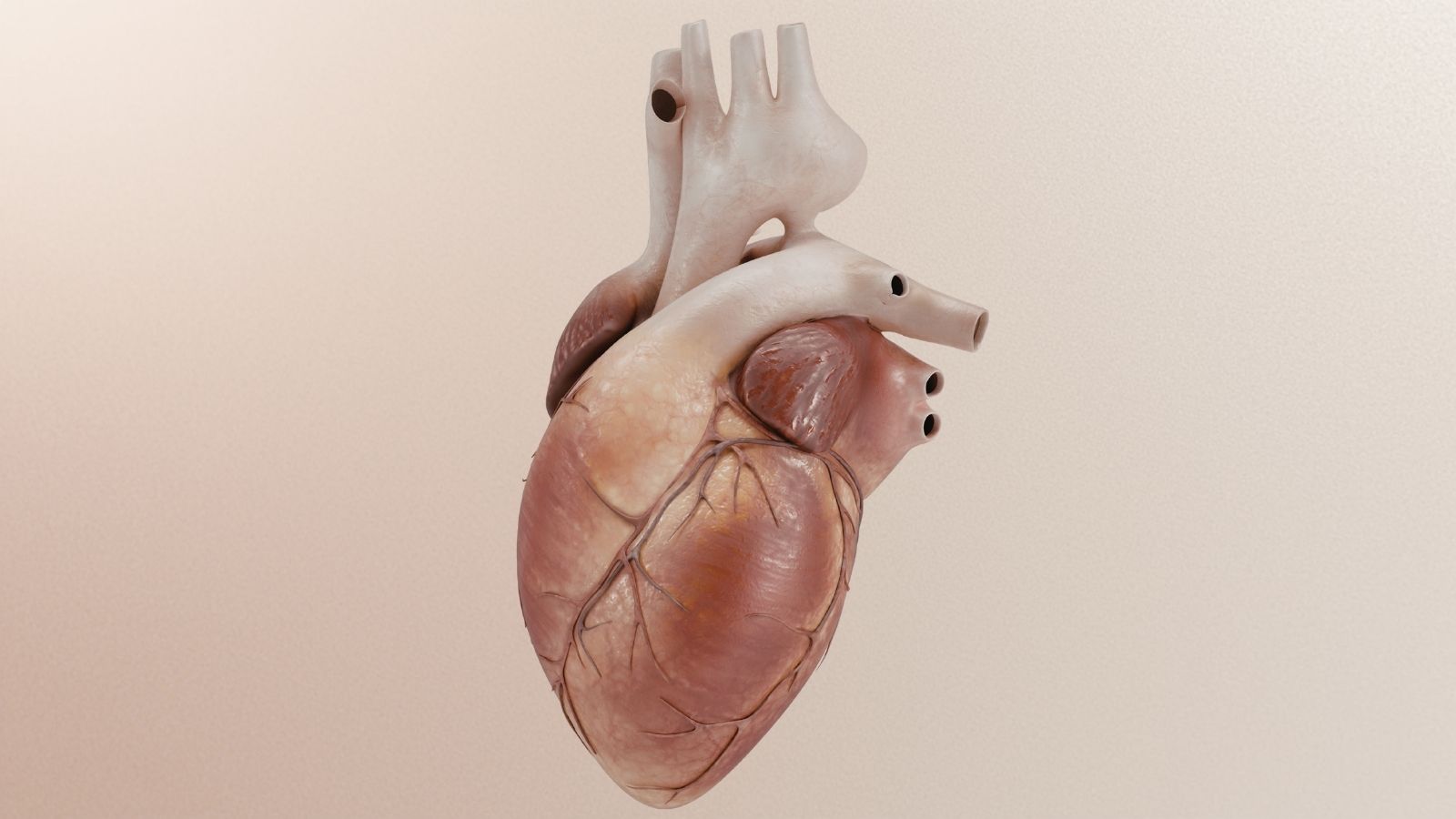
This is the question our patients are most curious and anxious about. To be clear, the vast majority of cases of left arm numbness are not cardiac in origin but nerve-related. However, because pain originating from the heart can also radiate to the left arm, this distinction must be taken seriously. The difference lies in whether numbness occurs on its own or together with other symptoms.
In the following situations, numbness should not be evaluated in isolation, and the patient should seek emergency medical attention without delay:
- Pressure, tightness, or heaviness in the center of the chest
- Shortness of breath, cold sweats, or nausea
- Pain radiating to the jaw, back, or shoulder
- Facial drooping, speech difficulties, or sudden loss of strength
- Symptoms that begin during physical exertion and resolve with rest
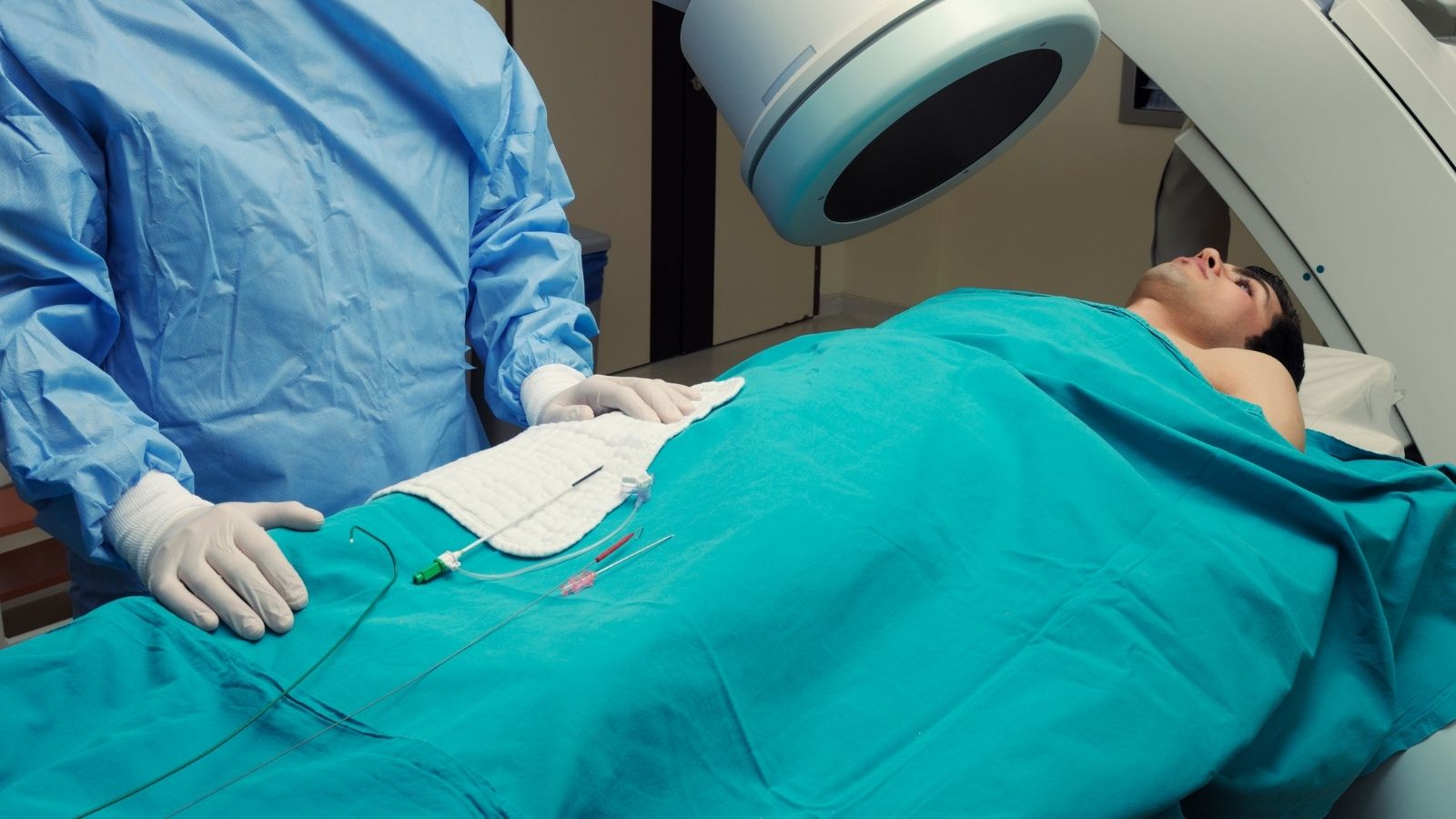
A distinguishing characteristic of nerve-related numbness is that it is limited to specific fingers, changes with position, and improves after shaking the hand. In cardiac conditions, however, the complaint is not distributed according to individual fingers; there is generally a dull pain and sensation of pressure throughout the arm, often associated with physical exertion. Confirming this distinction requires cardiological evaluation; when there is uncertainty, we first request that a cardiac cause be ruled out. After a heart-related problem has been excluded, we examine the nerve pathway in detail.
Why Does Left Arm Numbness Increase at Night and During Sleep?
Numbness that causes nighttime awakenings is almost a hallmark finding in hand surgery. During sleep, we unconsciously bend our wrists, leave our arms beneath our bodies, or keep our elbows fully flexed. These positions significantly increase pressure inside the nerve tunnels, causing compression that can be tolerated during the day to begin producing symptoms at night.
Our patients typically describe the following situation: they wake up in the middle of the night because their hand has become numb, let the hand hang over the edge of the bed or shake it, feel relief within a few minutes, and then go back to sleep. This pattern is one of the earliest warning signs of median nerve compression at the wrist. In patients diagnosed at this stage, significant relief can often be achieved with night splints and positional adjustments without requiring surgery. When symptoms begin occurring during the day, objects start falling from the hand, and the muscle at the base of the thumb begins to waste away, this indicates that the condition is progressing. At this point, waiting increases the risk of permanent nerve damage.
Which Nerve Is Indicated by Numbness in Each Finger?
Our hands sense and move through the coordinated activity of three main nerves. Each nerve supplies a specific region, and simply asking patients to indicate which fingers are affected provides a strong clue about the level of compression.
The basic distribution we use during examination is as follows:
- Thumb, index finger, middle finger, and half of the ring finger: median nerve, frequently at wrist level
- Little finger and the other half of the ring finger: ulnar nerve, frequently at elbow level
- Back of the hand and the area around the base of the thumb: radial nerve
- Widespread numbness throughout the hand, extending to the shoulder and arm: nerve root compression originating from the neck
- Numbness that increases when the arm is raised, accompanied by changes in hand color: neurovascular compression in the shoulder and collarbone region
When a patient presents with numbness in the little finger of the left hand, we always evaluate the nerve channel on the inner side of the elbow. Talking on the phone for prolonged periods, sleeping with the elbow bent, or working with the elbow resting on a desk can easily irritate the nerve in this area. When numbness is concentrated in the thumb and index finger, we focus on the wrist region. This mapping helps us avoid unnecessary investigations and direct our attention immediately to the problematic area.
Cervical Disc Herniation or Nerve Compression? How Can They Be Distinguished?
These two conditions are frequently confused because both can cause numbness radiating into the arm. However, careful physical examination can usually distinguish between them. In compression originating from the neck, numbness generally extends in a band-like pattern from the neck to the shoulder and then down the arm; turning the neck, coughing, or straining makes the complaint worse. In peripheral nerve entrapment, however, symptoms are concentrated in the hand, are unaffected by neck movements, and change according to the position of the wrist or elbow.
Another important distinction is the pattern of muscle weakness. While compression originating from the neck may also cause weakness in the arm muscles, loss of strength in compression at the wrist or elbow is limited to fine hand movements. Difficulty with tasks such as fastening buttons, turning a door key, and opening jars is often among the first symptoms our patients notice. We also consider that both conditions may coexist in the same patient; existing compression in the neck can make the nerve at a lower level more vulnerable.
Which Department and Which Doctor Should You Visit for Left Arm Numbness?
One of the issues that causes the most confusion among our patients is finding the appropriate specialist. Visiting the wrong department can result in both wasted time and missed treatment opportunities.
Our recommendations according to the characteristics of the complaint are as follows:
- If chest pain, shortness of breath, or an association with physical exertion is present: emergency department and cardiology first
- If numbness is limited to the hand and fingers and increases at night: plastic, reconstructive and aesthetic surgery specialists involved in hand surgery
- If symptoms radiate from the neck into the arm and change with neck movements: neurology and neurosurgery
- If diabetes, thyroid problems, or vitamin deficiency is suspected: internal medicine evaluation
- If sudden numbness and loss of strength develop after trauma: surgical evaluation without delay
The surgical treatment of nerve compression falls within the expertise of teams experienced in nerve repair and hand surgery. When evaluating these patients in our clinic, we examine not only the numbness but the hand as a whole: grip strength, finger dexterity, muscle volume, and skin sensation are assessed together. When necessary, we make joint decisions with neurology and physical therapy teams.
Which Tests Are Performed for Diagnosis?
We do not base the diagnosis on a single test. It is essential that examination findings and test results are consistent with each other. Initially, we assess hand sensation and muscle strength and perform provocative tests to determine whether applying pressure over the nerve reproduces the symptoms.
We then request an EMG, or nerve conduction study, which objectively demonstrates whether nerve conduction has actually slowed. This test reveals both the level of compression and the severity of nerve damage; it is the investigation we rely on most when making surgical decisions. High-resolution ultrasound is valuable for visualizing the point where the nerve is swollen and identifying surrounding masses, cysts, or anatomical variations. If compression originating from the neck is suspected, magnetic resonance imaging is used. We also check blood glucose, thyroid function, and vitamin B12 levels through blood tests because, unless these abnormalities are corrected, even the best surgical procedure may not produce the expected results.
Who Is a Suitable Candidate for Nerve Surgery?
We do not recommend surgery for every patient who experiences numbness. On the contrary, a significant proportion of our patients obtain relief through nonsurgical methods. We consider surgery when we observe that the nerve continues to be compressed and that waiting carries a risk of permanent damage.
The main conditions warranting surgical evaluation include:
- Symptoms lasting longer than six weeks that do not improve despite splinting and modifications
- Increasingly frequent nighttime awakenings and symptoms extending into daytime hours
- Dropping objects from the hand and a noticeable reduction in grip strength
- Muscle wasting at the base of the thumb or in the intrinsic hand muscles
- Moderate to severe findings on nerve conduction studies
- Compression demonstrated to result from trauma or a mass
Conversely, we initially prefer a conservative approach for patients whose symptoms have only recently begun, whose test findings are mild, and whose triggering movements can be corrected. We also avoid rushing into intervention for hand numbness developing during pregnancy because we know that symptoms can improve considerably after childbirth. The decision is always made by considering the patient’s occupation, daily living requirements, and degree of nerve damage together.
How Can Left Arm Numbness Be Relieved? What Are the Treatment Options?
We always begin treatment with the least invasive approach. The aim of nonsurgical treatment is to reduce pressure inside the tunnel through which the nerve passes and eliminate movements that irritate the nerve. Night splints keep the wrist in a neutral position, preventing pressure from increasing during sleep, and are highly effective in patients with early-stage disease. Simple changes, such as adjusting desk height, avoiding keeping the elbow bent for prolonged periods, and using headphones when talking on the phone, are often underestimated; however, they can genuinely change the course of symptoms.
Nerve gliding exercises and physical therapy are added to these measures. If underlying diabetes, thyroid disease, or vitamin deficiency is present, correcting these conditions is an integral part of treatment. We proceed to surgical treatment in patients who do not respond to these measures and show signs of progression. During surgery, we release the connective tissue over the nerve to restore the space it needs to move freely. For compression at wrist level, we open the roof of the tunnel; for compression at elbow level, we reposition the nerve into a more comfortable location when necessary. These procedures are frequently performed under local or regional anesthesia, take approximately 20–45 minutes, and our patients return home on the same day. As with any surgical procedure, risks include infection, bleeding, scarring, temporary sensory changes, and, rarely, recurrence of symptoms; we explain these risks in detail during the preoperative consultation.
What Is the Recovery Process Like, and Are the Results Permanent?
Mild swelling and tenderness of the hand during the first few days after surgery are expected. Keeping the arm elevated above heart level, beginning finger movements early, and following dressing instructions help speed recovery. Most of our patients can use their hands for light activities, such as eating and dressing, from the first day. Stitches are generally removed within 10–14 days. While office workers can return to work in approximately one week, this period may extend to several weeks for people performing heavy and repetitive manual work.
Improvement in sensation is often the first benefit noticed; many patients report that nighttime awakenings stop within the first few days after surgery. Regaining muscle strength and fine hand dexterity, however, requires more patience and occurs gradually over weeks or even months. The durability of the results largely depends on how early treatment is initiated. In patients treated while the nerve is still compressed but remains healthy, symptoms improve considerably and the likelihood of recurrence is low. In long-neglected cases where muscle wasting has already begun, surgery generally stops further deterioration; however, not all lost sensation and strength may return. Therefore, the point we emphasize most is this: do not simply wait for numbness to “go away,” and seek evaluation when symptoms persist for more than a few weeks.

Prof. Dr. Kadriye Orta Kılıçkesmez is one of the leading figures in the field of Turkish cardiology. She was born on January 24, 1974, in Tekirdağ. After completing her undergraduate education at Istanbul University Cerrahpaşa Faculty of Medicine, she chose cardiology as her specialty and received her specialist training at the Cardiology Institute of the same university. In 2015, she was appointed by the university to establish the Şişli Etfal cardiology clinic and Angio laboratory. Becoming a professor in 2017, Kadriye Kılıçkesmez established the cardiology clinic and Angio laboratory of Prof. Dr. Cemil Taşçı Hospital in 2020 and ensured that the clinic became a training clinic.