Türkçe
 Français
 Deutsch
 Italiano
 Español
 العربية
 Русский

High triglycerides occur when the main energy-providing fat molecules in the blood exceed the threshold of 150 mg/dL, reaching levels that can damage blood vessel structure and threaten organ functions.
This clinical condition mainly develops when the liver rapidly converts unused calories into fat due to excessive consumption of refined carbohydrates, sugary foods, a sedentary lifestyle, and excess weight.
The way to return elevated values to normal is to completely eliminate simple sugars from the diet, adopt a Mediterranean-style diet containing healthy fats, exercise regularly, and use lipid-lowering treatments under medical supervision when necessary.
What Are Triglycerides and How Do They Work in Our Bodies?
Triglycerides are actually part of the fundamental energy storage system that the human body has developed through evolution to survive. Excess calories that you consume through your daily diet but do not use immediately are converted by the body into triglycerides for future use. This conversion takes place largely in the liver, and the resulting fat molecules are subsequently stored in adipose tissue. During periods of fasting when the body needs energy, or during prolonged and strenuous physical activities, these stores are activated to provide the body with energy. Therefore, these molecules are not inherently bad or harmful substances. However, transporting these fats through the bloodstream depends on a very delicate balance. Just as olive oil remains in droplets without dissolving in water, triglycerides, which have a fatty structure, cannot circulate independently in the watery environment of the blood. For this reason, they are packaged inside special microscopic carriers called lipoproteins and transported to organs and tissues. Problems begin when the number of these circulating packages exceeds normal limits and the circulatory system becomes unable to clear this burden.
What Does a High Triglyceride Level in a Blood Test Mean?
The triglyceride value shown in a routine blood test is an important indicator of the metabolic burden circulating inside your blood vessels. In a healthy metabolism, blood triglyceride levels are expected to remain below a certain threshold. As values increase, it is considered that the body may be developing insulin resistance and that metabolic problems may be approaching. As these levels rise, plaque formation in the arterial walls accelerates, and the risk of coronary artery disease becomes more apparent. At even higher levels, not only the coronary arteries but also the pancreas comes under serious risk. When extremely high values are detected, the situation becomes much more urgent, requiring rapid intervention to prevent potentially life-threatening organ damage.
The general risk categories identified in blood tests are:
- Normal level
- Borderline high
- High risk
- Very high risk
- Emergency
Why Do Triglyceride Levels in Our Blood Increase?
An increase in blood fat levels is generally not caused by a single factor; it develops through a combination of genetic predisposition and environmental influences. These causes are fundamentally classified as primary and secondary factors. In conditions of genetic origin, the body may be unable to produce sufficient quantities of enzymes that break down fats circulating in the blood, or the liver may continuously produce excessive amounts. However, the vast majority of cases encountered in outpatient clinics today result directly from dietary and lifestyle mistakes. A carbohydrate-heavy diet, in particular, virtually turns the liver into a fat-producing factory. In addition, certain chronic diseases slow the rate at which fats are cleared from the blood, causing them to accumulate in circulation.
The main factors that can lead to this condition include:
- Genetic predisposition
- Excess weight
- Insulin resistance
- Type 2 diabetes
- Sedentary lifestyle
- Thyroid diseases
- Kidney failure
- Certain medications
Which Foods in Our Diet Cause Triglyceride Levels to Rise?
One of the most common mistakes when managing triglyceride levels is assuming that simply eliminating solid fats will solve the problem. In fact, the factors that most strongly trigger fat production in the liver are simple sugars and refined carbohydrates. Even if you believe you never eat fatty foods, the excessive sugar and white flour you consume are rapidly converted into triglycerides by the liver. Sweeteners and syrups in packaged foods bypass the body’s normal satiety signals, reaching the liver directly, where they are converted into fat. Alcohol consumption also accelerates this process tremendously; consumed alcohol is rapidly processed in the liver and released into the bloodstream as increased amounts of fat.
Foods and substances that should be avoided include:
- Fructose syrup
- Table sugar
- White flour products
- Fruit juices
- Trans fats
- Alcohol
- Processed meats
- Syrup-soaked desserts
How Do High Triglycerides Damage Our Blood Vessels and Heart Health?
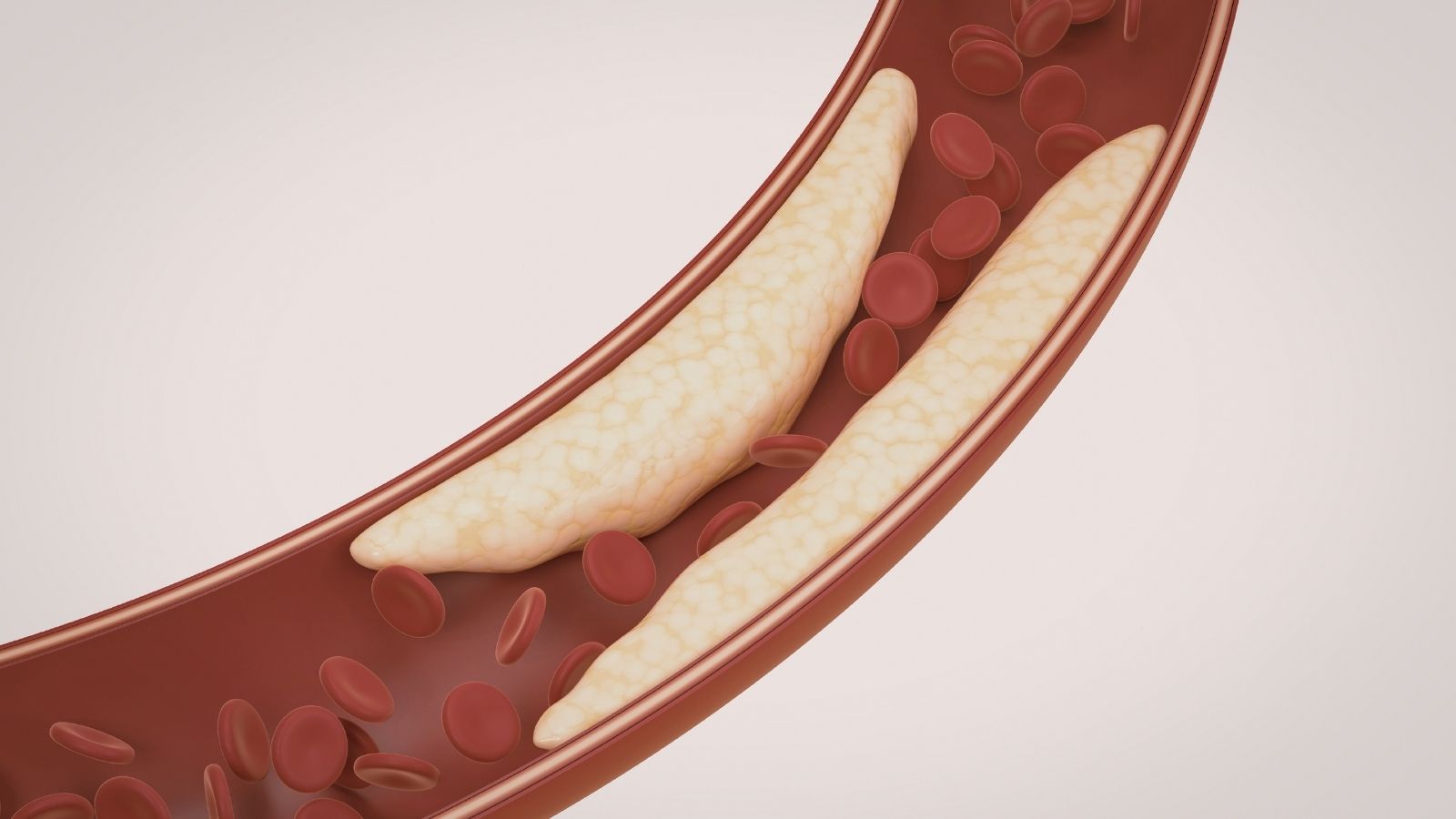
Although bad cholesterol was considered the sole cause of heart disease for many years, high triglyceride levels are now known to be a particularly insidious threat to blood vessels in their own right. When fat-loaded particles circulating in the blood break down, small, dense, and sticky residues called remnant particles remain. These remnants easily penetrate the endothelial barrier, the innermost lining of the blood vessel. The immune system engulfs these foreign fatty residues that have entered the arterial wall, resulting in the formation of inflammatory cells. This ongoing process leads to the development of calcified fatty plaques inside the arteries, a condition known as atherosclerosis. In an environment of elevated triglycerides, levels of protective good cholesterol tend to decrease. The plaques formed inside the arteries are covered by a thin membrane, and high fat levels make this membrane even more fragile. When these rupture-prone plaques tear, a blood clot forms on their surface within seconds, blocking blood flow and setting the stage for a heart attack.
How Does an Extreme Increase in Triglyceride Levels Affect the Pancreas?
When high triglycerides are mentioned, heart health usually comes to mind first, but another major danger caused by this condition is acute pancreatitis. When blood triglyceride levels reach extremely high values, enormous fat-containing particles begin accumulating in circulation. The blood becomes so concentrated and viscous that it can no longer pass through the delicate capillaries within the pancreas, the gland located behind the stomach that produces digestive enzymes. As these tiny vessels become blocked, pancreatic tissue is deprived of oxygen. Enzymes within the oxygen-deprived tissue become uncontrolled and begin breaking down the very cells that contain them. Combined with the chemical damage caused by elevated fatty acids, this situation results in the organ effectively digesting itself. This is an extremely painful and risky condition that may require hospitalization for several days.
Symptoms of an acute pancreatitis attack include:
- Severe abdominal pain
- Pain radiating to the back
- Nausea
- Vomiting
- Fever
- Palpitations
How Should You Eat to Lower Triglyceride Levels?
The most fundamental and indispensable step in treatment begins in the kitchen. A dietary pattern emphasizing healthy fats provided by nature and fiber-rich foods reduces the burden on the liver. The Mediterranean dietary pattern is particularly beneficial in this regard. Complex carbohydrates such as vegetables, whole grains, and legumes raise blood sugar slowly, so they do not suddenly signal the liver to produce fat. Olive oil and omega-rich seafood help calm inflammation within blood vessels. Permanent improvements in your diet can produce significant improvements in your blood values, even without the need for medication.
Healthy options you can include in your diet are:
- Extra virgin olive oil
- Walnuts
- Almonds
- Salmon
- Oats
- Flaxseeds
- Fresh vegetables
- Legumes
How Do Weight Management and an Active Lifestyle Support Triglyceride Balance?
In addition to nutrition, increasing the body’s ability to expend energy is the second major step in treatment. Even a moderate five percent reduction in body weight slows the flow of free fatty acids to the liver, producing a noticeable improvement in blood values. Beyond losing weight, simply moving regularly changes how the body functions. Exercises that increase the heart rate, such as brisk walking, light jogging, swimming, or cycling for at least one hundred and fifty minutes per week, activate special enzymes in muscle tissue. These activated enzymes work like a vacuum cleaner, absorbing triglyceride particles circulating in the blood and burning them for energy. As physical activity increases, the rate at which circulating fats are cleared rises substantially, while a sedentary lifestyle slows this natural cleansing system.
Which Triglyceride-Lowering Medications Are Used When Lifestyle Changes Are Not Enough?
Sometimes, no matter how carefully a person follows their diet, blood values may remain persistently high because of genetic inheritance or other accompanying metabolic problems. At this point, medical treatments are introduced to slow damage to blood vessels and organs. Statin medications, which help regulate cholesterol levels, are generally preferred in people at high risk of coronary artery obstruction; these medications also help achieve meaningful reductions in triglyceride levels. When values are extremely high and the pancreas is at risk, medications from the fibrate group, which slow the rate of fat production in the liver, may be introduced. In individuals who remain at risk of vascular disease despite these measures, specially purified prescription omega-3 fatty acids may be added to treatment to help suppress inflammation within the arteries. Of course, maintaining healthy dietary and exercise habits remains the cornerstone of treatment even when medications are prescribed.
How Is Coronary Angiography Performed in Patients With High Triglycerides When Arterial Blockages Develop?
Despite proper nutrition, physical activity, and medication, triglyceride levels that remain elevated for years can enlarge plaques accumulating in arterial walls, critically narrowing the blood pathways of the coronary arteries that supply the heart. When the heart muscle becomes deprived of oxygen or chest pain begins, direct examination and intervention may be necessary. At this stage, interventional cardiology techniques are used. Coronary angiography, the first step in the procedure, is a standard diagnostic method that maps the heart’s blood vessels. Today, these procedures are frequently performed through the small artery where the pulse is felt at the wrist, using the transradial approach. Compared with procedures performed through the groin, wrist access considerably reduces bleeding risk and eliminates the need for the patient to lie motionless for hours with sandbags after the procedure. Very thin tubes called catheters are used to reach the coronary arteries, where a special contrast liquid is injected, allowing the tiny curves of the vessels and the exact locations of narrowing to be visualized in detail under X-rays. Patients can generally get up and return to their normal activities a few hours after the procedure.
How Are Intravascular Imaging Technologies Used in Narrowings Associated With Triglycerides?
Standard angiography displays how blood flows inside an artery and how much its channel has narrowed as a two-dimensional shadow on a screen. However, it is not always possible to fully assess the soft, fat-filled, rupture-prone plaques associated with high triglycerides simply by looking from the outside. In such situations, intravascular imaging systems are used to examine the actual internal structure of the vessel. With intravascular ultrasound (IVUS), a microscopic ultrasound device advanced into the artery makes it possible to determine the thickness of the vessel wall and whether the plaque is calcified or soft. Another advanced technology, optical coherence tomography (OCT), uses infrared light waves to scan the interior of the artery in three dimensions at a microscopic level. Fat deposits inside plaques and delicate membranes thinner than a human hair can be visualized very clearly using this system.
What Advantages Do Imaging Methods Offer When Evaluating Triglyceride-Related Plaques?
These advanced technologies allow physicians to analyze damage inside blood vessels at the cellular level, providing valuable guidance in determining the type of intervention to perform and the dimensions of the materials to use. They also help prevent unexpected difficulties during the procedure.
The main advantages offered by these technologies include:
- Vessel diameter measurement
- Plaque structure analysis
- Stent size selection
- Calcification detection
- Visualization of ruptured membranes
How Are Patients With High Triglycerides Protected From Unnecessary Stent Placement in Borderline Narrowings?
Some narrowings identified during angiography are neither severe enough to be considered completely blocked nor mild enough to be considered healthy. Physiological lesion assessment systems are used to determine whether these borderline lesions, which appear moderate visually, are genuinely damaging the heart. A very thin wire with a pressure sensor at its tip is passed beyond the narrowing, and blood pressure before the narrowed segment is compared with blood pressure after it. If the narrowing genuinely disrupts blood flow to the heart muscle and places strain on the heart, the affected area is treated. However, if a narrowing is visible but is not severe enough to impair blood flow, follow-up with medication is preferred instead of placing a stent. These precise pressure measurements are an extremely important step in protecting individuals from unnecessary placement of metal inside their arteries.
How Do New-Generation Stents Work When Opening Blocked Arteries in Patients With High Triglycerides?
If an arterial blockage interferes with the heart’s blood supply, balloon angioplasty and stent procedures are used to reopen the passage. A special balloon advanced to the blocked area is inflated under pressure, compressing the firm fatty plaque against the vessel wall and opening the channel. However, because arteries have an elastic structure, they tend to return to their previous narrowed state some time after the balloon is deflated. To prevent this recoil, flexible metal mesh structures called stents are placed in the newly opened area. The drug-eluting stents used today are coated with special medications that inhibit cell proliferation. Once the stent is positioned inside the artery, it continues releasing this medication into the vessel wall for months. This biological property greatly reduces the risk of the body forming scar tissue in that area and blocking the inside of the stent again.
How Are Severely Calcified Arteries Treated Before Stent Placement in Patients With High Triglycerides?
Persistently high fat levels over many years, together with accompanying problems such as diabetes, can cause calcium to accumulate on plaques within the arteries, eventually making these structures almost as hard as bone. Attempting to open such a petrified narrowing with a standard balloon may result in an incomplete procedure and prevent the stent from expanding into a fully circular shape. A stent that has not fully expanded carries a very high risk of becoming blocked by a clot in the future. In these challenging cases, special calcium-fracturing and plaque-shaving methods called atherectomy are used. Tiny devices with diamond-coated tips that rotate at extremely high speeds can be advanced into the artery to shave and thin the hardened calcium layer at a microscopic level. Alternatively, a newer method called intravascular lithotripsy uses high-energy sound waves emitted from within a balloon to fracture concrete-like calcified plaques without damaging the vessel. Once the artery has been softened through these procedures, the stent can be placed much more safely and evenly.
Can Arteries That Have Been Completely Blocked for Months Be Opened Without Surgery in Patients With High Triglycerides?
Arterial blockages do not always develop suddenly; sometimes they progress slowly over years, and one of the coronary arteries may remain completely closed for months or even years. Although the body attempts to adapt by developing new pathways through tiny surrounding blood vessels, the patient may continue to experience severe chest pain while walking or exerting physical effort. In the past, these chronic total occlusions were generally treated with open-heart surgery, but today’s technology and advancing techniques make it possible to cross these blockages through wrist access as well. Using extremely thin microwires and supporting catheters, physicians attempt to open the blocked passage, sometimes advancing directly through the obstruction and sometimes approaching from the opposite direction through collateral vessels that run around the back of the heart. Although these procedures may take considerable time, restoring circulation through the artery without opening the chest offers significant relief to the patient by helping the heart muscle regain its strength.
Which Symptoms Require People With High Triglycerides to Seek Emergency Hospital Care?
Atherosclerosis and plaque formation generally progress without causing any symptoms until the artery becomes critically narrowed. An individual with high triglyceride levels may feel completely healthy in everyday life. However, when the body begins sending warning signals, taking them seriously is vital. A feeling of pressure, burning, or tightness in the chest while walking, climbing uphill, or moving faster in cold weather may be a distress signal from the heart. Even if this discomfort disappears with rest, the underlying problem should be investigated. However, if the pain suddenly begins while you are resting, lasts longer than twenty minutes, and gradually increases in intensity, it may indicate that a plaque inside the artery has ruptured and a heart attack has begun.
Emergency warning signs that should be taken seriously include:
- Pressure in the center of the chest
- Pain spreading to the arm
- Neck and jaw pain
- Cold sweating
- Sudden shortness of breath
- Unexplained fatigue
- Feeling faint
Listening to your body’s signals, eating healthily, and attending medical checkups when necessary are among the strongest ways to protect your heart health. Symptoms recognized early and appropriate interventions performed at the right time open the door to a healthier and longer life.

Prof. Dr. Kadriye Orta Kılıçkesmez is one of the leading figures in the field of Turkish cardiology. She was born on January 24, 1974, in Tekirdağ. After completing her undergraduate education at Istanbul University Cerrahpaşa Faculty of Medicine, she chose cardiology as her specialty and received her specialist training at the Cardiology Institute of the same university. In 2015, she was appointed by the university to establish the Şişli Etfal cardiology clinic and Angio laboratory. Becoming a professor in 2017, Kadriye Kılıçkesmez established the cardiology clinic and Angio laboratory of Prof. Dr. Cemil Taşçı Hospital in 2020 and ensured that the clinic became a training clinic.