Türkçe
 Français
 Deutsch
 Italiano
 Español
 العربية
 Русский

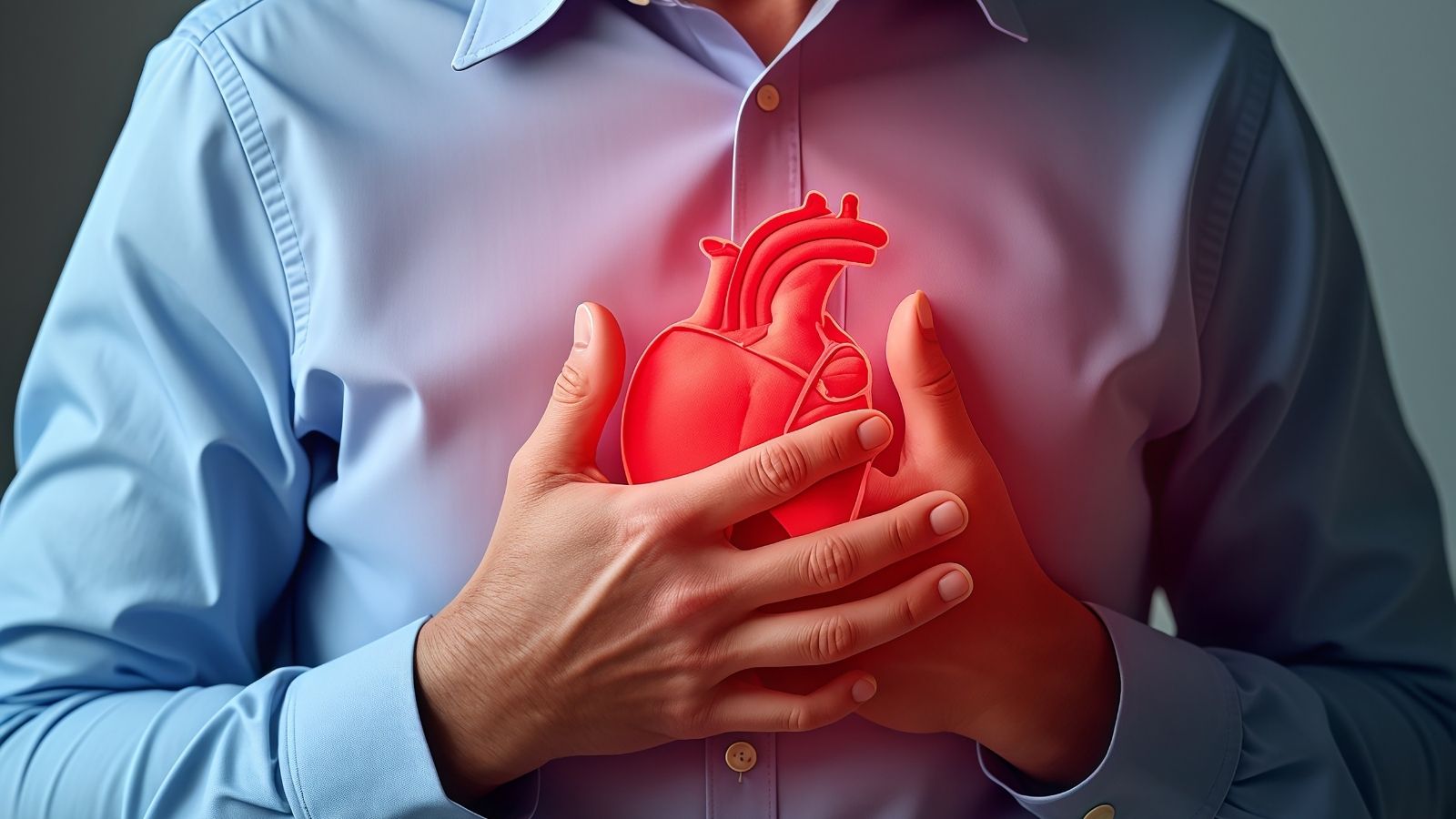
Heart palpitations during menopause occur as a result of changes in the cellular balance of the heart’s electrical system and excessive stimulation of the autonomic nervous system due to the rapid decline in estrogen levels. This process directly affects the heart’s rhythm, causing sudden accelerations or skipped beats.
In terms of women’s heart health, this period is a particularly sensitive transitional stage during which the protective biological shield responsible for maintaining vascular elasticity becomes weaker. With the loss of estrogen support, not only do changes in heart rhythm occur, but conditions also develop that may contribute to coronary artery problems progressing silently.
These rhythm disturbances may not always be an innocent symptom of hot flashes. Taking these new signals that the body sends through the cardiovascular system seriously is the first step toward maintaining a healthy life.
How does declining estrogen affect the frequency of heart palpitations during menopause?
Throughout the reproductive years, the female body receives considerable support from the hormone estrogen, which acts almost like a shield protecting the cardiovascular system. Estrogen continuously interacts with the thin membrane layer lining the inner surfaces of blood vessels, helping them maintain their flexibility and width. One of the most fundamental functions of this hormone in blood vessels is to stimulate the production of a protective substance called nitric oxide. Nitric oxide helps relax blood vessel walls, allows blood to flow smoothly through the vessels, and consequently enables the heart to receive blood more easily. As menopause begins, the gradual decrease in estrogen levels in the body may weaken this natural protective mechanism. When the support that maintains vascular elasticity diminishes, blood vessels may gradually lose their former flexibility and develop a more rigid structure. This may increase resistance within the vessels and cause the heart to exert greater effort with every beat while pumping blood throughout the body.
At the same time, the gradual withdrawal of estrogen from the body also alters the balance of fats in the blood. Changes may occur in the proportions of harmful fats circulating in the bloodstream that tend to accumulate on vessel walls. Over the long term, this condition may create favorable circumstances for the formation of deposits called plaques on the inner surfaces of the coronary arteries. All these cellular and vascular changes may affect the heart’s daily working rhythm, causing the sensation of palpitations to be perceived much more frequently. As the heart muscle attempts to adapt to changing vascular pressure, episodes of accelerated heartbeats or irregularities felt as pounding in the chest may occasionally occur. The decline in estrogen not only affects vascular stiffness but may also alter the speed of communication between heart cells, creating a foundation for changes in rhythm. If these silent and gradual changes occurring in the vessel walls during this transitional period are not recognized in time, they may appear as more pronounced vascular narrowing in later years. This cellular transformation within the body may directly affect the heart’s blood supply capacity, making it possible for a person to become tired quickly and experience a faster-than-normal heartbeat even during minimal physical activity.
What changes occur in the heart’s electrical system with heart palpitations during menopause?
The heart is much more than a mass of muscle that pumps blood throughout the body; it has a sophisticated communication network that generates its own electricity and distributes it to cells through highly sensitive pathways. This electrical system of the heart is regulated by a mechanism called the autonomic nervous system, which operates automatically without conscious human control. The autonomic nervous system essentially consists of two main components: the parasympathetic system, which slows the heart and allows it to rest, and the sympathetic system, which accelerates the heart and places it in an alert state. Hormonal fluctuations occurring in the body during menopause may directly affect the delicate balance within this autonomic nervous system. In particular, as the calming effect of estrogen diminishes, sensitivity to stress hormones circulating in the blood may increase. This may cause signals that accelerate the heart to become more dominant in the body while signals that allow the heart to rest become weaker.
This autonomic imbalance may also change the operating principles of small ion channels located in the outer membranes of heart muscle cells, which are responsible for conducting electricity. Essential minerals in the body, such as calcium and potassium, enter and leave cells through these channels, organizing every heartbeat and the subsequent recovery phase. During menopause, very small deviations in the timing of these minerals entering and leaving cells may affect the heart’s electrical recovery process. When the electrical balance is affected, additional impulses may be generated at points other than the heart’s normal rhythm center. In daily life, these impulses may be perceived as a lump in the throat, a sensation of skipped beats, or a momentary feeling of emptiness in the chest. Sometimes microscopic electrical short circuits that rapidly circulate around themselves may develop within the heart’s electrical conduction pathways. These short circuits may create the conditions for the heart to accelerate suddenly. Therefore, the complaints experienced may reflect electrical restructuring at the cellular level rather than being purely psychological.
How can heart palpitations during menopause be distinguished from ordinary hot flashes?
When such complaints occur during menopause, determining whether the situation represents a normal fluctuation in body temperature or a rhythm variation originating from the heart’s electrical system is extremely important during evaluation. Accelerations in heart rate caused by hormonal changes, which are generally considered a natural bodily response, may occur simultaneously with sudden changes in body temperature known as hot flashes. In such situations, the heartbeat gradually increases as though it is slowly accelerating and then slows down in the same gradual manner, returning to its normal pattern as the sensation of the hot flash subsides.
By contrast, rhythm variations originating from a functional short circuit in the heart’s electrical pathways present a very different picture. Such complaints may begin suddenly without any warning, often while the person is resting, and may end abruptly as though a switch has been turned off. The heart rate may reach levels much higher than those experienced during a hot flash and may affect blood circulation because it does not allow enough time for the heart to fill with blood. Making this distinction correctly is highly valuable for directing the person toward appropriate medical support.
Symptoms accompanying the body’s normal hormonal changes include:
- Gradual acceleration
- Sensation of hot flashes
- Facial flushing
- Sweating
- Mild restlessness
- Gradual slowing
Signs that may indicate electrical short circuits include:
- Sudden onset
- Sudden termination
- High heart rate
- Darkening of vision
- Dizziness
- Feeling faint
What are the atypical symptoms of cardiovascular diseases in women experiencing heart palpitations during menopause?
When cardiovascular diseases are mentioned, the first thing that generally comes to mind is severe pressure-like pain felt in the center of the chest and radiating to the left arm. However, this classic presentation is observed more frequently in men. In postmenopausal women, narrowing that may develop in the coronary arteries can manifest in very different and misleading ways. Heart health problems in women may often appear through silent complaints or symptoms resembling ordinary everyday fatigue, which can delay recognition of the problem and the implementation of preventive measures.
When the heart muscle experiences cellular stress because of reduced blood flow, women may commonly experience unexplained exhaustion or disproportionate shortness of breath while performing daily activities rather than severe chest pain. Sometimes this reduction in the heart’s blood supply can directly affect its electrical system and manifest as a sensation of palpitations. Furthermore, women may develop functional impairments not only in the major coronary arteries but also in the tiny capillary vessels located in the outermost regions of the heart. Inadequate functioning of this delicate vascular network may also cause exhausting palpitations during daily life. For example, a sudden feeling of internal discomfort and irregular heartbeats while doing household chores or climbing a single flight of stairs may result from these small vessels being unable to meet oxygen demands.
Atypical signs of heart disease that may occur in women include:
- Unexplained fatigue
- Shortness of breath unrelated to exertion
- Burning sensation in the stomach
- Feeling of indigestion
- Aching between the shoulder blades
- Numbness in the jaw area
Which modern tests are used for complaints of heart palpitations during menopause?
When rhythm-related complaints arise during this period, the structure and rhythm of the heart are examined through various steps to clarify the underlying cause. The first method used is generally an electrocardiogram recorded at rest. However, this test records only the heart’s condition during that brief moment. If palpitations are not occurring at the time, the results may appear normal. Therefore, portable devices are used to observe the heart’s rhythm during daytime activities, whether at home or at work. These rhythm-recording devices, which patients wear for one day or longer during their daily lives, can greatly assist in identifying hidden rhythm variations.
The structural characteristics of the heart must also be examined carefully, just as its electrical condition is evaluated. A cardiac ultrasound performed through the chest allows detailed observation of the heart’s contraction strength and the condition of its valves. Subtle valve problems that may contribute to rhythm complaints in women can be identified using this method. If it is suspected that a problem with blood supply through the coronary arteries may underlie the palpitations, stress tests are performed. Since standard exercise tests can sometimes produce misleading results due to the physiological characteristics of the female body, more advanced stress tests may be preferred in which the heart rate is increased through exertion while the heart is simultaneously monitored using ultrasound. This approach may be more useful for detecting possible narrowing in the vessels.
Diagnostic examination methods include:
- Resting electrocardiography
- Long-term Holter rhythm monitoring
- Transthoracic cardiac ultrasound
- Exercise stress echocardiography
- Pharmacological stress testing
How is an electrophysiological study performed to confirm the diagnosis of heart palpitations during menopause?
Further investigation may be necessary when basic tests are insufficient to reveal the source of the problem, when rhythm complaints seriously reduce the patient’s quality of life, or when rhythm disturbances have been documented by recording devices. At this point, an electrophysiological study, which creates a detailed electrical map of the heart, may be used. This method is not merely an external observation but an advanced examination that collects data directly from the heart’s internal chambers and aims to identify the cellular location of the problem.
To maintain the person’s comfort, the procedure is generally performed under local anesthesia applied to the blood vessels in the groin area. Using thin, flexible tubes through the vascular system, extremely fine sensor wires are positioned inside the heart. These specially designed sensors can record electrical signals from within the heart with great precision. Today, advanced three-dimensional mapping systems allow the heart’s internal structure to be recreated as a detailed model on a computer screen. During the procedure, signals originating from the heart’s natural rhythm center and the heart’s electrical resting intervals are carefully analyzed.
Subsequently, an attempt is made to reproduce the sudden-onset palpitations experienced by the person in daily life under controlled laboratory conditions. Small electrical impulses are delivered to the heart through specialized systems to determine the source and type of palpitations. This study can largely identify the anatomical location of the rhythm disturbance within the heart. The process provides extremely informative findings for planning treatment directed specifically at the source of the problem and contributes to guiding the patient appropriately.
Which interventional cardiology methods are used to treat heart palpitations during menopause?
After the source and type of the problem are identified through electrophysiological examination, treatment can generally begin during the same procedure. If the underlying cause of the palpitations is an abnormal electrical short circuit or an additional conduction pathway in the heart, a method called ablation may be performed. Ablation is based on deactivating the problematic area of the heart that generates abnormal electrical signals. Special thin catheters with tips that can be heated or cooled are used for this procedure. In the radiofrequency method, the catheter tip is heated to prevent incorrect impulses originating from that region. In the cryoballoon method, the relevant tissue is cooled to very low temperatures to suppress its cellular electrical activity. Ablation therapy is a highly advanced option that may reduce the need for long-term heart rhythm medications and support a person’s quality of life.
If examinations reveal that the main cause of palpitations is an obstruction in the coronary arteries, coronary angiography may be performed. Today, this procedure is most commonly carried out through a small artery in the wrist and allows the anatomical condition of the vessels supplying the heart to be visualized. If a condition that disrupts blood flow is detected in the vessels, the narrowed area can be widened using a balloon procedure. To prevent the vessels from narrowing again, special supporting scaffold systems called stents may be placed in that region. These small scaffolds may release therapeutic medications into the vessel wall for months, helping keep the vessel open. When the heart muscle receives adequate blood flow, the stress experienced by its cells may decrease, and the associated rhythm complaints may also improve significantly.
Interventional methods used for treatment include:
- Radiofrequency catheter ablation
- Cryoballoon ablation
- Transradial coronary angiography
- Balloon angioplasty
- Drug-eluting stent implantation
What are the warning signs requiring emergency intervention when experiencing heart palpitations during menopause?
The natural hormonal changes associated with menopause can cause many different symptoms in the body; however, when it comes to heart health, it is extremely important not to overlook certain signs. Although palpitations are generally a natural reflection of physical changes, warning signs that require urgent evaluation and further testing may sometimes appear. When such signals are recognized, seeking medical attention without delay at a well-equipped healthcare facility can greatly help prevent more serious problems from developing in the heart.
Signs suggesting that the amount of blood reaching the brain has decreased during palpitations are particularly important. If the heart suddenly accelerates excessively and its rhythm becomes irregular while the person is completely at rest, this must be taken seriously. A feeling of heaviness in the chest or discomfort in the left arm accompanying palpitations may indicate that the heart muscle is not receiving sufficient blood at that moment. Such complaints should be evaluated even more carefully in women with a genetic predisposition to heart disease or additional health problems such as diabetes. Recognizing these messages from the body at the right time may help support a safer life over the long term.
The main warning signs that may require emergency medical attention include:
- Complete loss of consciousness
- Severe dizziness
- Chest pressure
- Feeling unable to breathe
- Pain radiating to the arm
- Cold sweats

Prof. Dr. Kadriye Orta Kılıçkesmez is one of the leading figures in the field of Turkish cardiology. She was born on January 24, 1974, in Tekirdağ. After completing her undergraduate education at Istanbul University Cerrahpaşa Faculty of Medicine, she chose cardiology as her specialty and received her specialist training at the Cardiology Institute of the same university. In 2015, she was appointed by the university to establish the Şişli Etfal cardiology clinic and Angio laboratory. Becoming a professor in 2017, Kadriye Kılıçkesmez established the cardiology clinic and Angio laboratory of Prof. Dr. Cemil Taşçı Hospital in 2020 and ensured that the clinic became a training clinic.