Türkçe
 Français
 Deutsch
 Italiano
 Español
 العربية
 Русский

Transcatheter Aortic Valve Implantation (TAVI) reviews are genuine evaluations reflecting the high satisfaction rates of patients treated without opening the chest, their completely pain-free recovery processes, and their experiences of returning to normal life remarkably quickly.
Individuals actively receiving treatment in modern cardiology clinics frequently state on patient forums that this minimally invasive intervention reduces physical strain to a minimum and provides a high level of comfort during the procedure.
Current feedback on digital platforms from elderly individuals and those in high-risk groups who have regained their heart health clearly demonstrates the direct, positive improvement in quality of life offered by this innovative vision of modern medicine.
Transparent experiences concerning this modern treatment method, personally lived and experienced by patients, consistently stand out as the strongest, organic, and reliable source of reference in the digital environment for other individuals at the decision-making stage.
What Do TAVI Reviews Say About the Fear of Open-Heart Surgery?
Individuals who are told that they have severe narrowing of a heart valve, and who are generally elderly, initially experience considerable anxiety. When patient feedback is examined, it becomes apparent that the most frequently expressed concern is the thought of having the breastbone opened. Bed rest that may last for weeks, restricted mobility, and the overall physical burden of surgery can be extremely intimidating for patients. When reviews from patients who have undergone TAVI are examined, it becomes clear that considerable hope has replaced this intense surgical stress. People who learn that the procedure is performed using only a closed technique, without cutting the breastbone, frequently report feeling deeply relieved. Reviews indicate that knowing they will not experience severe surgical trauma significantly increases patients’ motivation to undergo treatment. Being psychologically freed from this burden is considered one of the starting points of the treatment process.
What Do TAVI Reviews Include About Pre-Procedural Planning and Confidence?
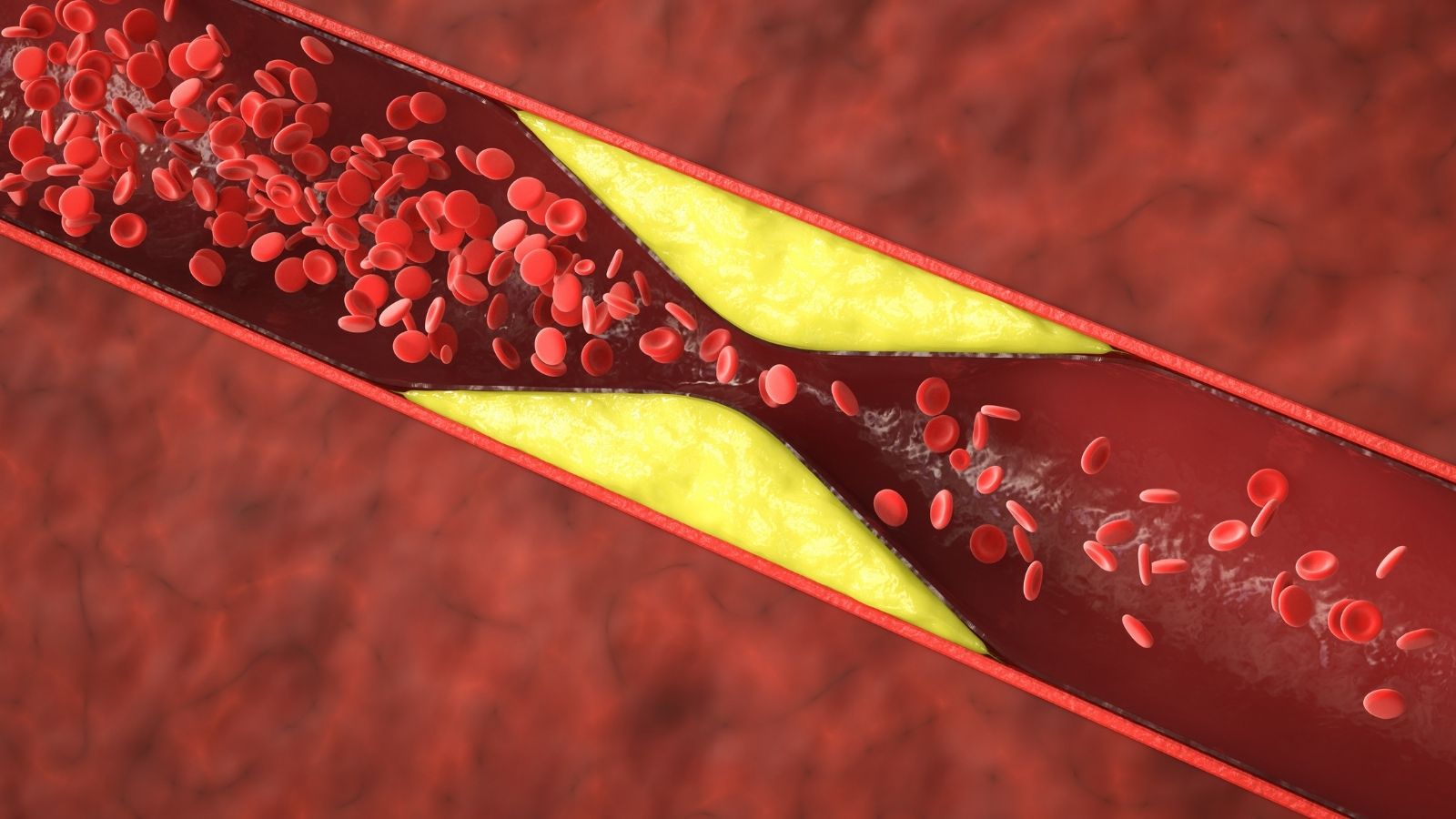
The detailed preparations carried out between the diagnosis of the disease, the treatment decision, and the day of the procedure are of great importance to patients. An examination of reviews reveals that detailed radiological examinations and careful measurements provide patients with a high level of confidence. Three-dimensional tomography assessments performed before the procedure have a reassuring effect by reducing uncertainty about the process. Feedback emphasizes that examining the area where the valve will be positioned in advance ensures that the entire procedure progresses in a controlled manner. The main factors evaluated during this preparation stage and reflected in patient reviews as elements of confidence are as follows.
- Vessel diameters
- Distribution of calcification
- Heart valve structure
- Distances to coronary arteries
- Suitability of blood vessels in the groin
What Do TAVI Reviews Emphasize About Anesthesia and Pain Management?
Perhaps one of the most exhausting aspects of major operations is the necessity of receiving general anesthesia. Intubation, which involves placing a tube into the throat and connecting the patient to a ventilator, is particularly concerning for patients with lung problems. However, one of the most satisfying aspects mentioned in the experiences of patients who have undergone TAVI is that the procedure is generally performed using only local anesthesia and a mild sedative. Patient reviews frequently describe undergoing the procedure without being put to sleep, while also feeling no pain, as an indescribable sense of relief. Patients write that they could vaguely hear conversations around them but did not experience any noticeable pain. The absence of grogginess upon awakening, severe chest pain, or difficulties being disconnected from a ventilator after the procedure increases overall comfort. This allows elderly individuals to regain their physical balance more quickly.
What Advantages Do TAVI Reviews Highlight About the Procedure Performed Through the Groin?
The way the procedure is performed directly affects patients’ physical comfort afterward. Inserting a new valve inside the existing valve through a blood vessel in the groin, much like an angiography procedure, significantly reduces physical strain on the body. In postoperative patient evaluations, the absence of a large incision scar extending across the chest is described as a particularly pleasing detail. Because this procedure, performed using a very thin catheter, is completed in less time compared with traditional methods, patients also experience less fatigue. The main characteristics of this method that provide physical comfort and are frequently mentioned in reviews are as follows:
- Closure without stitches
- Small needle mark
- Superficial tissue contact
- Low likelihood of bleeding
- Rapid wound healing
What Do TAVI Reviews Indicate About Hospitalization and Intensive Care?
Staying in a hospital for days, concerns about infection, and the familiar stress associated with intensive care are circumstances that exhaust patients’ relatives just as much as the patients themselves. However, reviews describing the period following minimally invasive valve replacement show that these concerns generally turn out to be less significant than expected. Patients who are usually monitored in intensive care for only a few hours or, as a precaution, overnight describe their transfer to a regular hospital room the following day with great happiness. The most striking aspect of these experiences is that patients can get up and walk along the corridor the day after undergoing the procedure. The fact that most patients can be discharged within just a few days and return to the comfort of their own homes is regarded as a highly valuable advantage. Avoiding prolonged immobility and quickly beginning to meet daily needs support psychological as well as physical recovery.
What Do TAVI Reviews Reveal About Shortness of Breath and Returning to Daily Life?
A narrowed heart valve gradually reduces a patient’s capacity for physical exertion to such an extent that even walking around a room can become difficult. In their reviews, patients describe how overwhelmed they felt by chest tightness, fatigue, and sensations of suffocation before valve replacement. Following the placement of the new valve, these limiting symptoms are observed to decrease significantly. Feedback describes the feeling of renewed vitality resulting from sufficient blood once again being pumped throughout the body in positive terms. In the weeks following the procedure, patients’ ability to meet their personal needs independently is extremely valuable in helping them regain their independence. The aspects of daily life most frequently reported to have improved in reviews are as follows:
- Ability to climb stairs
- Breathing comfortably
- Increased walking distance
- Sleep quality
- Daytime energy
Why Are TAVI Reviews About the Valve-in-Valve Procedure Important?
Some patients who underwent open-heart surgery years ago and received a biological valve may eventually experience calcification and deterioration of that valve. The thought of undergoing a second operation and having the chest opened again creates considerable anxiety among patients. Patient experiences frequently emphasize how reassuring the valve-in-valve method, which becomes an option at this stage, can be. Placing a new valve inside the old surgically implanted valve, again through an approach from the groin, is regarded as a great opportunity in patient reviews. Individuals who remember the difficult recovery period following their first operation frequently describe how their hearts regained strength through an intervention performed solely through the groin. Feedback from patients who have experienced this method provides a particularly strong source of encouragement for older individuals.
What Realities Do TAVI Reviews Reflect About Unexpected Complications and the Need for a Pacemaker?
As with medical procedures in general, certain complications may arise during this procedure, and patients’ transparent reviews bring these realities to light. Because the area where the new valve is positioned is close to the heart’s natural electrical system, heart rhythm problems may sometimes develop. Some patients report that a permanent pacemaker had to be implanted after the procedure and that this initially caused a slight sense of disappointment. Reviews written as follow-up care progresses indicate that these devices help patients continue their daily lives by maintaining a stable heart rhythm. Additionally, mild leaks that occur rarely or small bruises in the groin area are among the other details mentioned by patients. The conditions mentioned in post-procedural patient reviews that require monitoring are as follows.
- Slowing of the heart rhythm
- Groin tenderness
- Small areas of bleeding
- Partial valve leaks
What Do TAVI Reviews Indicate About Physician Experience and Satisfaction With Long-Term Follow-Up?
One of the prominent points emphasized in clinical evaluations and patient reviews is communication with the healthcare team managing the process. In this minimally invasive valve replacement procedure, every detail requires considerable attention, from planning the intervention to positioning the valve in the correct location. Patients say that the main reason they feel safe is their confidence in the experience of the team performing the operation. Knowing that they are not left alone during follow-up care after the procedure makes a significant contribution to psychological recovery. The comments of individuals attending their annual routine checkups convey the peace of mind that comes from knowing the valve continues to function despite the passing years. These reviews provide realistic details demonstrating the potential for patients treated with innovative methods to enjoy a higher quality of life in the long term. Appropriate planning and transparent communication are evident throughout every aspect of patients’ experiences.

Prof. Dr. Kadriye Orta Kılıçkesmez is one of the leading figures in the field of Turkish cardiology. She was born on January 24, 1974, in Tekirdağ. After completing her undergraduate education at Istanbul University Cerrahpaşa Faculty of Medicine, she chose cardiology as her specialty and received her specialist training at the Cardiology Institute of the same university. In 2015, she was appointed by the university to establish the Şişli Etfal cardiology clinic and Angio laboratory. Becoming a professor in 2017, Kadriye Kılıçkesmez established the cardiology clinic and Angio laboratory of Prof. Dr. Cemil Taşçı Hospital in 2020 and ensured that the clinic became a training clinic.