Türkçe
 Français
 Deutsch
 Italiano
 Español
 العربية
 Русский

Reviews from patients with mitral valve regurgitation show that the process evolves from intense anxiety to rapid relief through modern interventions. At the center of online discussions are the fears associated with conventional surgery and the comfortable alternatives that help overcome them.
The greatest common concern among patients is the desire to avoid long hospital stays that exhaust the body. Experiences shared on health forums directly demonstrate that procedures performed without opening the chest make an immediate difference in the quality of daily life.
Feedback from individuals considered high-risk due to advanced age is extremely encouraging. Recovery stories emphasize that these treatments, performed with minimal trauma, enable individuals to return quickly to their independent and active lives.
The emotional exhaustion caused by the difficulties experienced during the disease process gives way to a sense of security through next-generation approaches. Sincere evaluations clearly reflect the healing power of patient-friendly treatment options offered by modern medicine on human psychology.
How do patients with mitral valve regurgitation describe their daily complaints in their reviews?
Fluid accumulation in the lungs resulting from the incomplete closure of the mitral valve, located on the left side of the heart, is among the most frequently reported complaints. When evaluations and patient reviews are carefully examined, shortness of breath during exertion emerges as the most prominent complaint. While patients initially report feeling tired only when climbing stairs, they state that as the disease progresses, they become breathless even while meeting basic needs such as getting dressed. Many patients describe this sensation as having a heavy weight on their chest. Complaints such as being unable to lie flat at night, waking up suddenly with a feeling of suffocation during sleep, and having to sleep with multiple pillows are reflected in reviews as major factors disrupting sleep patterns. Swelling in the legs and palpitations caused by heart rhythm disorders also contribute to patients feeling physically exhausted. Patients state that this limitation in physical exertion is not only a physical difficulty but also causes significant psychological distress. Being forced to withdraw from social activities can lead people to become socially isolated.
Which fears stand out in the reviews of patients who have been recommended open-heart surgery?
Open-heart operations recommended when valve regurgitation progresses can become a source of profound anxiety among patients. Elderly individuals or those with kidney or lung conditions frequently share that they feel helpless when informed that their surgical risk is high. In the reviews of patients who are eligible for surgery, however, fear arising from the thought of having the breastbone cut along its entire length and the heart connected to a machine during the operation predominates. Because of these understandable concerns, many patients hesitate to undergo surgery and may postpone treatment until the last possible moment. Family members are similarly distressed by the idea of their loved ones undergoing such a major operation. On internet forums, patients mention researching alternative methods that can be performed without opening the chest. The desire to avoid surgical trauma and the need for less physically demanding approaches are the main themes of patient reviews.
What do patients who have undergone conventional open surgery share in their reviews about recovery difficulties?
Reviews concerning the postoperative experiences of patients whose mitral valves were repaired through open-heart surgery indicate that the recovery period can be quite exhausting. Patients whose breastbones were cut report experiencing various difficulties during the first months until the bone heals. The notable physical problems these patients describe on forums during recovery include:
- Neck spasms
- Back pain
- Stabbing chest pain
- Numbness at the incision site
- Severe fatigue
- Inability to manage independently
- Loss of appetite
Another detail highlighted in the reviews is that regaining their former strength can take patients a long time. Individuals who report that it took months to regain enough strength to walk independently put their physical exhaustion into words. The prolonged need for painkillers and the fact that restoring the body’s previous resilience can take weeks are shared by many patients as challenges. Being unable to get out of bed independently and having to depend on others can also be psychologically exhausting for patients. These difficult weeks of recovery are described as a test of emotional patience as much as a physical challenge.
What are the reviews of patients who have undergone mechanical valve replacement regarding medication and valve sounds?
Accounts from patients whose own valves could not be repaired and who received metallic valves indicate that life after surgery can bring new restrictions that last a lifetime. Patients express exhaustion from the obligation to take blood-thinning medications regularly every day and to visit the hospital constantly to have their blood values measured. Fear of problems that may occur if the blood becomes excessively or insufficiently thinned can create continuous stress in patients’ minds. In addition, the metallic sound produced by the mechanical valve during operation is one of the most frequently reported complaints, particularly in the silence of the night. Patient reviews frequently mention that this rhythmic sound, heard with every heartbeat, makes falling asleep difficult. Some patients also add that they hesitate to socialize because they worry the sound might be heard by others and that they cannot feel comfortable in social settings.
How do interventional procedures performed without opening the chest change patients’ reviews about their surgical fears?
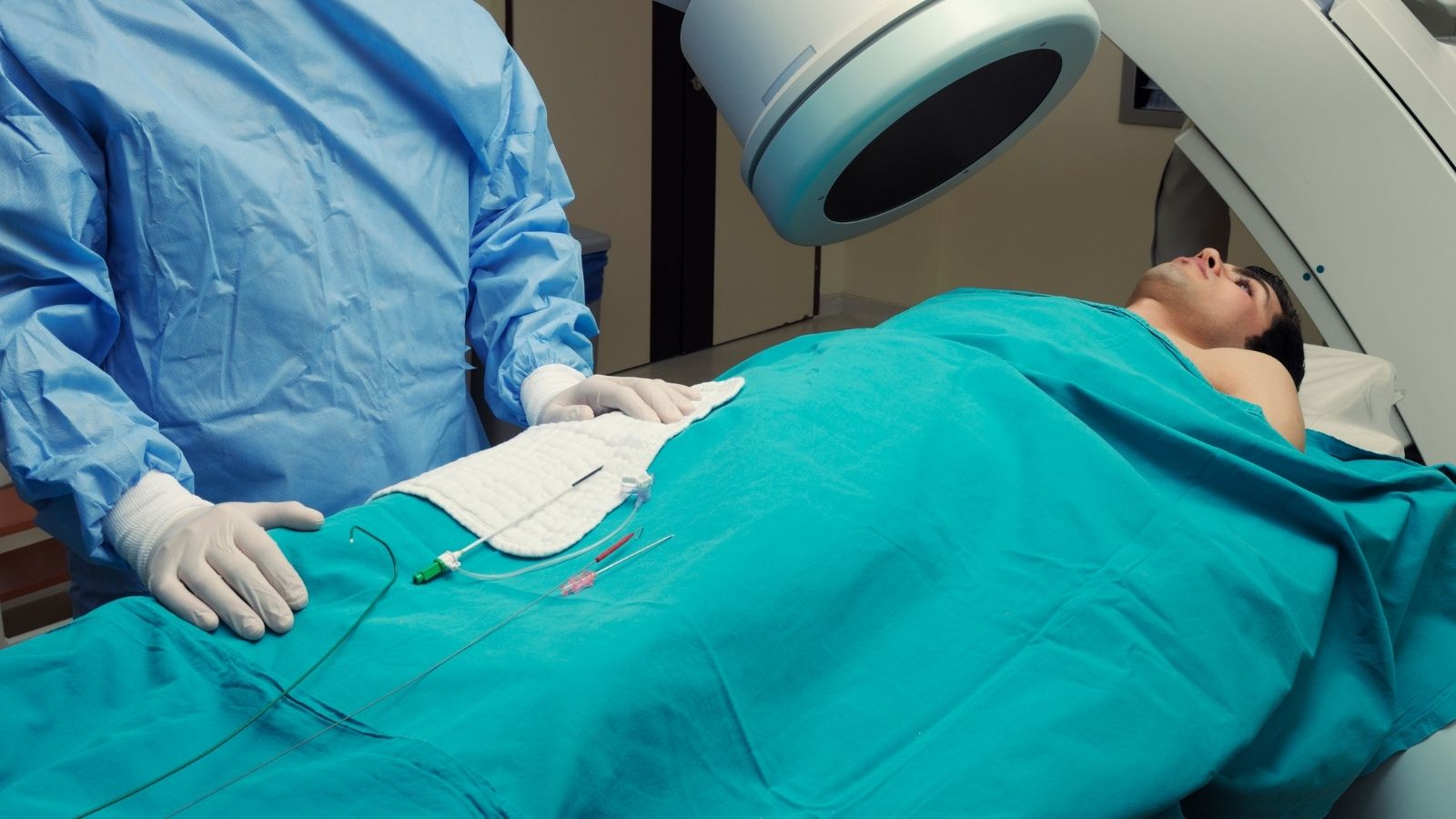
The transcatheter edge-to-edge repair method performed by interventional cardiologists is described in reviews by patients at high risk for open surgery as a source of great relief. Patients characterize this procedure, in which the heart is accessed solely through a blood vessel in the groin and the valve leaflets are secured using a clip, as an extremely gentle option. Patients share that a heavy burden is lifted from their shoulders when they learn that their breastbones will not be cut, their hearts will not be stopped, and the procedure can be completed without creating a large surgical wound. Patients frequently express the tremendous psychological relief of waking up after anesthesia and seeing only a small dressing on their chest instead of stitches. For many individuals who no longer have the option of surgery, this method is seen as a renewed hope for holding on to life. Moments of reuniting with family shortly after the procedure, replacing frightening intensive care scenarios, constitute the most positive parts of the reviews.
How do patients who have undergone the clipping procedure describe the feeling of immediate improvement in their reviews?
The most striking experience shared by patients following the mitral valve clipping procedure performed through the groin is how quickly physical recovery can be felt. Reducing the leakage in the valve during the procedure brings the pressure in the patient’s lungs closer to normal within a short time. This physiological relief is reflected in patient reviews through highly emotional expressions. Many patients describe the first moment they regain consciousness after the procedure as the first time in a long while that they truly feel air filling their lungs. Accounts from patients who previously had to sleep sitting upright at night, stating that they were able to rest their heads on a pillow and sleep comfortably immediately after the procedure, stand out. This noticeable effect of the method on symptoms helps patients leave their hopelessness behind and look toward the future with much greater optimism. Patients compare this significant relief to having a heavy weight lifted from their chest.
What are the reviews of patients treated with interventional methods regarding their experiences of returning to normal life?
Another difference highlighted in patient evaluations concerns the length of hospital stays and the time needed to adapt to normal life. Patients treated with interventional methods report that they were able to stand up and begin walking a few hours after the procedure. The abilities that patients report regaining as they return to daily life include:
- Walking independently
- Being able to climb stairs
- Uninterrupted sleep
- Dressing independently
- Being able to speak comfortably
- Being able to perform daily exercise
Patients who write that they experienced no significant pain apart from mild tenderness in the groin area emphasize the comfort of being discharged home shortly after the procedure. Even elderly patients enthusiastically share that they were able to go for walks outdoors on their own after discharge and quickly regained their independence. A rapid return to social life strongly supports individuals in moving beyond the psychological effects of illness and participating in society again as active individuals.
How are repeated hospital admissions reflected in patient and caregiver reviews after interventional treatment?
The cycle of emergency department admissions, which is an exhausting process for patients with weakened heart muscles and resulting valve regurgitation, may decrease following interventional treatments. Reviews from patients whose valves have been repaired using interventional methods and their family members indicate that the frequency of hospital admissions has decreased considerably. By controlling valve leakage using the clipping method, the burden on the heart is reduced, and fluid accumulation in the body can be largely prevented. Family members write on forums that their loved ones, who were previously taken to emergency departments repeatedly because of shortness of breath, are now experiencing a much more stable period. Panic attacks experienced at night are replaced by peaceful evenings spent at home. This balanced condition improves the family’s overall emotional well-being and substantially reduces the sense of burnout experienced by caregivers of people with chronic illnesses.
What comments do heart valve patients share on health platforms about recommendations for nonsurgical treatment?
The situation in previous years, when different treatment options for mitral valve regurgitation were not widely known, is changing thanks to the increasing availability of interventional technologies and the positive reviews shared by patients who have undergone these treatments. Today, patients sharing their experiences on health forums particularly recommend that newly diagnosed individuals seek opinions from different specialists. They emphasize that a detailed examination should be conducted to determine whether transcatheter methods, which can be performed without opening the chest, are suitable for their own valve anatomy. Stories describing how many patients considered high-risk have been able to return to daily life through these methods directly influence people’s decision-making processes. The growing variety of treatment options reinforces patients’ desire to research the most suitable and least physically demanding method for their bodies. More informed patients remind one another on forums that they should not settle for a single opinion and should evaluate alternatives. Modern medicine continues to listen to these patient voices and offer more human-centered treatment approaches.

Prof. Dr. Kadriye Orta Kılıçkesmez is one of the leading figures in the field of Turkish cardiology. She was born on January 24, 1974, in Tekirdağ. After completing her undergraduate education at Istanbul University Cerrahpaşa Faculty of Medicine, she chose cardiology as her specialty and received her specialist training at the Cardiology Institute of the same university. In 2015, she was appointed by the university to establish the Şişli Etfal cardiology clinic and Angio laboratory. Becoming a professor in 2017, Kadriye Kılıçkesmez established the cardiology clinic and Angio laboratory of Prof. Dr. Cemil Taşçı Hospital in 2020 and ensured that the clinic became a training clinic.