Türkçe
 Français
 Deutsch
 Italiano
 Español
 العربية
 Русский

Reviews from patients who have undergone nonsurgical treatment for a hole in the heart focus on the high level of comfort provided by the procedure, the great relief of not having the chest opened, and the rapid return to normal life. Individuals emphasize that they have been freed from a heavy psychological burden following treatment.
Avoiding open surgery in the treatment of conditions such as atrial septal defect or patent foramen ovale completely eliminates concerns about the operation. The feedback clearly demonstrates that surgical stress is quickly replaced by a deep sense of confidence.
Reviews published on healthcare platforms show that preserving bodily integrity increases motivation for recovery. People who postponed their treatment due to fear of surgery frequently state after the procedure that they had worried unnecessarily for years.
The absence of a scar on the chest and the ability to leave the hospital quickly are key factors determining treatment satisfaction. This opportunity provided by modern medicine creates an immediately noticeable sense of relief in individuals’ physical capacities.
What do patients who preferred the procedure performed through the groin instead of open-heart surgery say?
One of the greatest initial concerns experienced by individuals who learn that they have a hole in their heart is the thought of having their chest opened. Conventional surgery, known as median sternotomy, which requires cutting through the middle of the chest, can create significant aesthetic and physical concerns among patients. In reviews explaining why they preferred the nonsurgical method, patients frequently mention the great relief of reaching the heart through a small blood vessel in the groin rather than through the chest. The absence of a chest scar after the procedure and the avoidance of lengthy recovery processes such as bone healing help patients, particularly those with active lifestyles, accept treatment more easily. Patient experiences emphasize that avoiding a surgical incision and the associated back or chest pain that may develop considerably reduces stress during the decision-making process.
What are patients’ reviews regarding fear of general anesthesia and comfort during the procedure?
General anesthesia, connection to machines, and the intensive care process involved in conventional open-heart surgery are among the issues that cause the greatest concern in patient feedback. Patients express their fears about being unable to control their own breathing or the idea of having their heart stopped. In the nonsurgical method, however, the fact that the procedure is generally performed with a sedative to help the patient relax and local anesthesia plays a major role in alleviating these fears. The heart’s continued functioning at its normal rhythm throughout the procedure also reduces anxiety.
The situations that patients are generally concerned about regarding anesthesia before surgery include:
- Falling into a deep sleep
- Being connected to a ventilator
- Having the heart stopped
- Prolonged intensive care monitoring
The fact that these risks remain at very low levels with the nonsurgical option increases patients’ confidence in the treatment.
How is the procedure in the angiography room described in patient reviews?
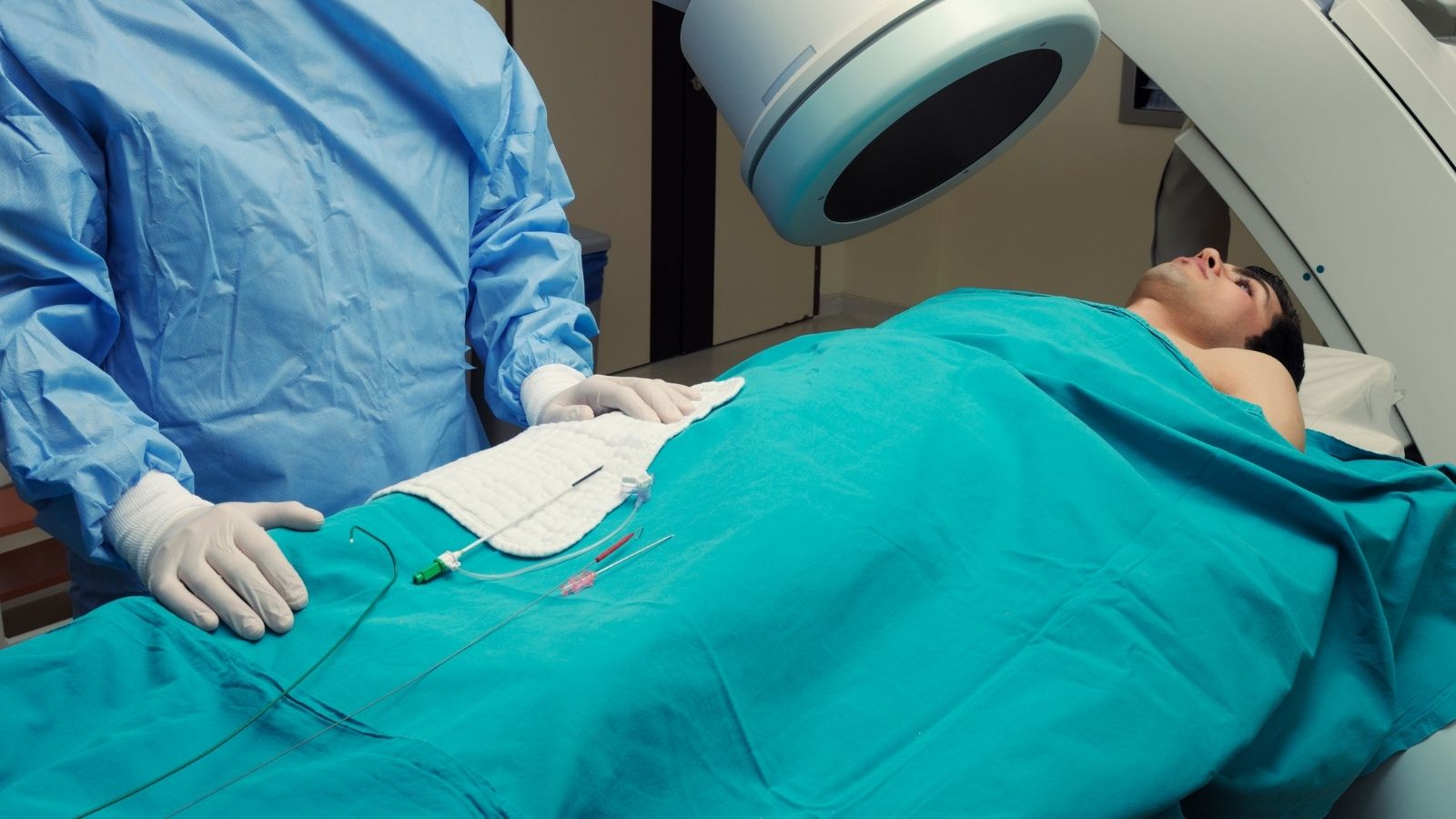
Patients taken to the angiography room for treatment generally compare their experience to a comfortable medical examination rather than a major operation. They report feeling only a slight needle prick during the administration of local anesthesia to the groin area. Subsequently, patients usually do not feel any pain as the thin tubes are advanced toward the heart. When the umbrella-like device with two discs is positioned in the hole, a momentary, very mild sensation of pressure or fullness may occur in the chest. However, this sensation is generally not regarded as pain. Once the device is in place, it is perceived as a natural part of the body. Toward the end of the procedure, applying pressure to the vascular access site in the groin and lying on the back for a while with a sandbag are described in reviews as the parts requiring the most patience.
What do patient reviews indicate about the short procedure duration and early discharge?
Nonsurgical closure procedures can generally be completed in as little as approximately one hour, provided the anatomical structure is suitable. For patients and their loved ones waiting outside, the short duration of the procedure stands out in reviews as a factor that significantly reduces the tension of waiting. Unlike conventional operations that can take hours, the rapid completion of the procedure also provides considerable psychological relief. Patients also appreciate being transferred directly to a regular hospital room after the intervention, usually without requiring intensive care.
The main conveniences that early discharge provides for patients include:
- Getting up and walking on the same day
- Leaving the psychological atmosphere of the hospital
- Resting in the home environment
- High sleep quality
Returning home after approximately twenty-four hours of observation is generally among the leading factors supporting patient satisfaction.
What do patient reviews indicate about improvements in shortness of breath and fatigue?
Closing the hole in the heart with the help of a special device stops unwanted blood flow between the heart chambers, reducing the burden on the right side of the heart. One of the most striking aspects of patient reviews is how quickly this physical change is reflected in daily life. Patients report that the feeling of breathlessness and fatigue they had experienced for years while climbing stairs, walking uphill, or exerting themselves decreased noticeably within a short time after treatment.
The complaints that patients report having largely overcome after treatment include:
- Shortness of breath during exertion
- Chronic fatigue
- Episodes of palpitations
- Migraine-like headaches
In particular, patients who later realize that they had been living with limited energy for many years happily express that their exercise capacity has increased and that they feel more energetic.
What do patient reviews reveal about the speed of returning to daily life and work?
Individuals who undergo conventional chest surgery must follow certain restrictive rules, such as lying on their backs for a period to allow bone healing, avoiding heavy lifting, and not driving. However, patients who receive nonsurgical treatment report that they regain their freedom of movement in daily life much more quickly. After leaving the hospital and spending a short period resting at home, individuals can generally resume their normal lives within a few days. Office workers with desk jobs, young people who want to continue their education without interruption, and parents caring for young children consider the ability to return to their daily routines without requiring prolonged bed rest to be one of the most practical advantages of this method. Avoiding an extended interruption to everyday life contributes to motivation for recovery.
What do patient reviews say about conditions such as groin tenderness and heart rhythm irregularities after treatment?
When examining complaints shared after the procedure, it becomes apparent that these conditions are generally extremely mild and temporary. During the first few days, various superficial sensations may occur only in the groin area where the procedure was performed. On the other hand, while the heart is adapting to the device inside it, patients may occasionally feel minor rhythm variations in their chest, resembling the fluttering of wings.
Temporary conditions that may be encountered during the recovery process include:
- Tenderness in the groin area
- Superficial bruising of the skin
- A feeling of tightness in the groin
- Momentary premature heartbeats
Patients report that tenderness in the groin decreases rapidly with painkillers recommended by the doctor or the local application of ice. Being informed about these conditions by the physician before the procedure prevents patients from panicking.
What do patient reviews include regarding medication use and follow-up examinations after discharge?
The first six months following the procedure are considered a healing period during which the umbrella-like device placed in the heart becomes covered by the body’s own natural tissue lining. In their reviews, patients explain that they take great care to use the blood-thinning medications prescribed by their physicians regularly during this recovery period. During the same period, the need to take necessary precautions to prevent infection before tooth extraction or other surgical procedures is frequently emphasized. Confirming through ultrasound examinations at the first month, sixth month, and first year that the device in the heart remains properly positioned is described as a moment that allows patients to leave all the stress associated with treatment behind.
What do patient reviews reveal about choosing a specialist physician and overcoming the psychological effects of the condition?
One of the important factors that ensures patient confidence throughout the process is the physician’s ability to match the right patient with the appropriate treatment method. Not every hole in the heart may be anatomically suitable for this procedure; therefore, a careful evaluation gives patients confidence. Patients report that overcoming this condition without carrying a large surgical scar on their chest or undergoing lengthy hospital stays significantly reduces the psychological burden on their shoulders. Patients describing the comfort they experienced advise others with similar concerns not to postpone their treatment and to seek opinions from experienced specialists in the field.

Prof. Dr. Kadriye Orta Kılıçkesmez is one of the leading figures in the field of Turkish cardiology. She was born on January 24, 1974, in Tekirdağ. After completing her undergraduate education at Istanbul University Cerrahpaşa Faculty of Medicine, she chose cardiology as her specialty and received her specialist training at the Cardiology Institute of the same university. In 2015, she was appointed by the university to establish the Şişli Etfal cardiology clinic and Angio laboratory. Becoming a professor in 2017, Kadriye Kılıçkesmez established the cardiology clinic and Angio laboratory of Prof. Dr. Cemil Taşçı Hospital in 2020 and ensured that the clinic became a training clinic.